What to Do If You Catch a Snakehead in Maryland
Alright, let's talk about snakeheads. Catching one of these can be quite a shock, especially if you're not expecting it, and it can leave many anglers wondering, "Now what in the world do I do with this thing?" Unlike most fish in Maryland waters, the northern snakehead isn't a welcome guest, and there are specific, crucial steps you need to take. This guide is here to walk you through exactly what to do if you find yourself with a snakehead on the end of your line, ensuring you comply with Maryland's regulations and do your part to manage this invasive species.
Understanding the Invasive Nature of Northern Snakehead in Maryland
First off, it’s important to understand why the northern snakehead is such a big deal. These fish aren't native to Maryland; they're an invasive species that poses a significant threat to our local ecosystems. They’re voracious predators that compete with native fish for food and habitat, disrupting the delicate balance of our waterways, from the Potomac River to the numerous creeks and tributaries they now inhabit. The Maryland Department of Natural Resources (DNR) has a very clear stance: they want these fish removed. This isn't just about catching a cool-looking fish; it's about protecting Maryland's cherished fishing heritage and the health of its aquatic environments.
Why Snakeheads Pose a Threat to Local Ecosystems
Imagine a new predator arriving in a neighborhood where no one knows how to defend against it. That's essentially what a northern snakehead is to many of our native species, like our beloved largemouth bass, sunfish, and even juvenile striped bass. Snakeheads are incredibly adaptable, capable of breathing air, and can survive in a wide range of water conditions, from murky ponds to flowing rivers. They reproduce quickly and grow large, outcompeting native fish for food resources. Their aggressive feeding habits can decimate local populations of smaller fish, frogs, and crustaceans, impacting the entire food chain. Understanding this environmental impact is key to grasping why the DNR has such strict rules regarding them. You can dive deeper into the general rules surrounding these unwelcome guests in our article on Maryland Invasive Fish Rules: Blue Catfish and Snakehead.
The DNR's Stance on Snakehead Management
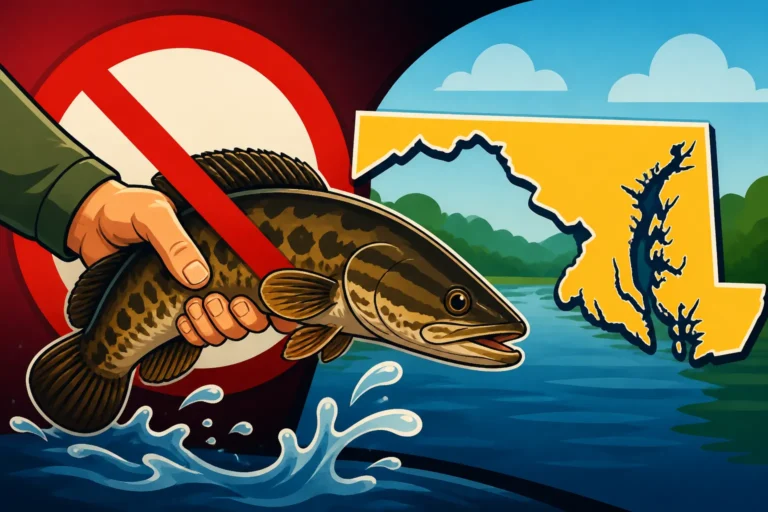
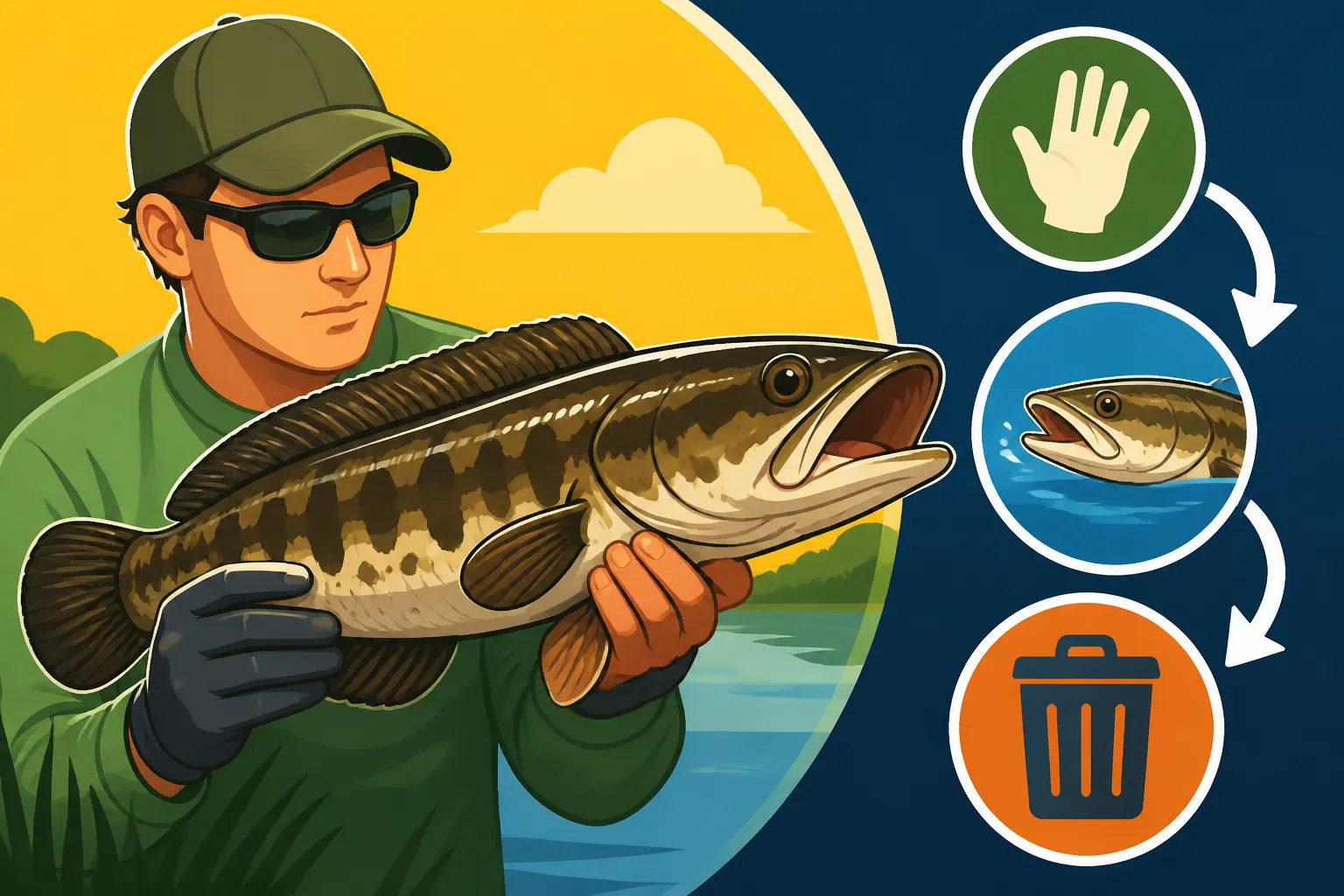
The Maryland DNR's policy on northern snakeheads is unequivocal: do not release them. If you catch one, you are legally required to kill it. This isn't a suggestion; it's a mandate designed to help control their spread and mitigate their harmful effects. The goal is to reduce their population and prevent them from establishing themselves in new areas. This means every angler who successfully lands a snakehead has a direct role in conservation. There's no slot limit, no possession limit, and certainly no catch-and-release philosophy when it comes to these fish. For more details on this, you might want to read Is It Illegal to Release a Snakehead in Maryland?.
Immediate Actions After Catching a Snakehead
So, you've hooked into one of these toothy critters. Your rod is bent, the line is screaming, and after a good fight, you land it. Now what? Your first priority is safety and then immediate dispatch. Snakeheads are known for being incredibly hardy and surprisingly feisty, even out of water. They have sharp teeth and can flop around quite a bit, so handling them requires a bit of caution.
Safely Landing and Identifying Your Catch
Once you've got the fish near the boat or shore, your primary concern is getting it under control without injuring yourself. A sturdy net is your best friend here. While some anglers might try to lip a bass, that's a definite no-go with a snakehead due to their formidable teeth. Once netted, carefully bring it aboard or onto the bank.
The next step is positive identification. While often confused with bowfin, there are clear differences. Snakeheads typically have a long, dorsal fin with no break, a large mouth extending beyond the eye, and distinctive gold-flanked, blotchy patterns. Bowfin, on the other hand, have a shorter, rounder anal fin and a prominent black spot with an orange halo near the tail. If you're unsure, it's always better to err on the side of caution and treat it as a snakehead. Our guide on How to Identify a Northern Snakehead in Maryland offers detailed visuals and descriptions to help you confidently tell them apart.
Dispatching a Snakehead: Humane and Legal Methods
Once positively identified, the fish must be killed. This is non-negotiable. The goal is a quick and humane dispatch. Here are a few common and effective methods:
- Cervical Dislocation (Brain Spike): This is often considered the most humane and immediate method. Using a sharp, pointed tool (like an awl or a dedicated brain spike), quickly and firmly pierce the brain, located slightly behind and above the eyes. This instantly incapacitates the fish.
- Severe Head Trauma: A solid, forceful blow to the head with a club or heavy object can also be effective. You want to ensure it's a single, decisive blow to minimize suffering.
- Filleting: If you're planning to keep and eat the fish (which is encouraged!), you can immediately fillet it. Removing the head and guts on the spot ensures the fish is dead and won't somehow revive itself. This also prepares it for transport.
It’s crucial that the method you choose ensures the fish is dead. Simply tossing it in a cooler with ice isn't enough; they can survive for extended periods out of water, especially if kept moist. Never put a live snakehead back in the water, even if you think it's dying. That's a violation of Maryland law and detrimental to our ecosystems.
Handling and Transporting Your Catch
Once you've dispatched your snakehead, the next step is proper handling and transportation. This is where you prepare it for consumption or disposal, ensuring you continue to comply with all regulations. Remember, the DNR encourages anglers to keep and eat snakeheads, as they are actually quite delicious!
Preparing Your Snakehead for Transport
After dispatch, you have a few options. If you plan to eat it, you might want to bleed it out immediately. This improves the flavor and texture of the meat. You can do this by cutting the gills or the caudal artery near the tail. Allow it to bleed thoroughly, then place it on ice. For longer trips, a large cooler packed with ice is essential. Some anglers prefer to fillet the fish right away, making it easier to transport and eliminating any doubt about its vitality. You can find some excellent, robust fillet knives and coolers that handle larger fish on platforms like Amazon, which many anglers use to stock up on gear.
When transporting a dead snakehead, it's a good idea to keep it separate from other fish you might have caught, just to avoid any cross-contamination or confusion if you happen to be checked by a natural resources police officer. While it’s not legally required to report a snakehead catch directly to the DNR (unless you're participating in a specific research program), keeping accurate records of where and when you caught it can be helpful for tracking their spread.
Disposal Options: Home Consumption or Proper Waste
The best disposal option for a snakehead is to prepare and eat it. Their white, flaky meat is often compared to cod or mahi-mahi and holds up well to various cooking methods. This is a win-win: you get a tasty meal, and you've removed an invasive species from our waters. If you're new to catching and preparing them, a quick online search will yield a wealth of recipes.
If, for any reason, you choose not to consume the fish, it should be disposed of in a way that prevents it from re-entering the water or spreading its eggs. This typically means discarding it in the trash, ensuring it's bagged and properly secured. Do not leave dead fish on the bank where it might attract scavengers or potentially re-enter the water during high tide or heavy rain.
Here's a quick summary of immediate actions:
| Action | Description | Best Practice |
|---|---|---|
| Identification | Confirm it's a Northern Snakehead, not a native species like a bowfin. Look for the long dorsal fin and blotchy pattern. | Carry a small field guide or have reference images on your phone. |
| Dispatch | Kill the fish immediately and humanely. Do not release it. This is a legal requirement. | Use a brain spike, club, or immediately fillet. Ensure it is dead before proceeding. |
| Handling | Once dispatched, bleed the fish if desired for better meat quality. | Use a sharp knife or pair of scissors (many anglers keep a dedicated pair, often found on Amazon, for this purpose). |
| Transport | Place the dead fish immediately on ice in a cooler. Keep it separate from other fish, if possible, especially if you're not planning to eat it. | A large, well-insulated cooler is essential. |
| Disposal/Consumption | Prepare and eat the fish (highly recommended!), or dispose of it in a secure trash receptacle. | Don't waste the meat! If not eating, ensure it cannot re-enter the ecosystem. |
Tools and Techniques for Snakehead Anglers
Catching a snakehead can be a thrilling experience, and many anglers actively target them, seeing it as both a sport and a service to the ecosystem. To do this effectively and safely, having the right gear is crucial. You'll want tackle that can handle strong, powerful fish, and tools for safe handling and dispatch. If you're interested in actively pursuing these fish, you can learn more about specific approaches in our guide to Techniques for Catching Snakehead in Maryland.
Essential Gear for Landing and Managing Snakeheads
For landing snakeheads, robust gear is your friend. They're powerful fighters, especially in thick cover. Heavy-action rods, strong braided line, and tough leaders are highly recommended. For lures, topwater frogs, chatterbaits, and swimbaits are often effective. Many anglers find their go-to lures, specialized pliers, and tackle boxes on Amazon, taking advantage of the wide selection to build out their snakehead arsenal.
Beyond the fishing tackle itself, consider these essential tools for handling a snakehead:
- Heavy-Duty Net: A sturdy landing net with a rubberized mesh is ideal. The rubberized mesh is gentler on the fish if you happen to catch something else, and it prevents hooks from getting tangled as badly.
- Fish Grips: Tools like BogaGrip or similar lip-gripping devices allow you to control the fish without putting your hands near its teeth. They're excellent for holding a thrashing snakehead while you prepare to dispatch it.
- Dispatch Tool: A stout fishing club or a sharp brain spike. Choose one that you can wield effectively and that will ensure a swift, humane end.
- Cooler with Ice: A large cooler isn't just for drinks; it's vital for keeping your catch cool and ensuring it remains deceased during transport.
- Pliers/Forceps: Long-nosed pliers or fishing forceps are crucial for safely removing hooks from a toothy fish's mouth.
Where to Find Snakeheads in Maryland Waters
Northern snakeheads are now found in many of Maryland's tidal rivers and creeks that feed into the Chesapeake Bay, particularly those with plenty of shallow, vegetated areas. The Potomac River, especially its tidal sections and tributaries, is a hotspot for snakeheads. Areas like the Blackwater National Wildlife Refuge on the Eastern Shore, and various creeks feeding into the Patuxent River, also hold significant populations. Knowing Where to Catch Snakehead on the Potomac River can give you a significant advantage if you're looking to target these fish. They thrive in dense aquatic vegetation, often ambushing prey from cover, so targeting those weed lines and lily pads is often your best bet.
Remember, every snakehead removed from Maryland waters is a step towards protecting our native fish populations. While it might seem daunting at first, following these guidelines ensures you're fishing responsibly and contributing to the health of our precious aquatic ecosystems. Always make sure you understand the nuances of the state's regulations, which are comprehensively detailed in publications like Maryland's DNR Fishing and Boating Guide, Explained, to stay informed and compliant.
Disclaimer
Please note that fishing regulations, including those concerning invasive species like the northern snakehead, can change. Always consult the latest official Maryland Department of Natural Resources (DNR) rules and regulations before heading out to fish. This guide provides general information and should not be considered a substitute for official legal advice or current DNR publications.