Maryland Flounder Size Limit After the June Rule Change
Navigating fishing regulations in Maryland can feel like trying to catch a ghost, especially when rules seem to shift right under your nose. The specific changes to flounder size limits, often adjusted around the June timeframe, have certainly left many anglers scratching their heads, wondering if their trusty measuring tape is still valid. This guide is here to untangle those knots, providing you with a clear understanding of the current Maryland flounder size limits, why they change, and how to make sure you're always in compliance.
Understanding Why Flounder Regulations Change
It can be incredibly frustrating to keep up with fishing regulations, especially when they seem to change frequently. One minute you've got the rules memorized, the next, a new press release from the Maryland Department of Natural Resources (DNR) throws everything into question. For flounder, a popular and delicious species, these adjustments are often part of a much larger conservation effort that extends beyond Maryland's borders.
The Role of Regional Management
Maryland doesn't operate in a vacuum when it comes to managing highly migratory species like flounder (also known as summer flounder). These fish travel up and down the Atlantic coast, crossing state lines with abandon. Because of this, their management falls under the purview of regional bodies like the Atlantic States Marine Fisheries Commission (ASMFC) and the Mid-Atlantic Fishery Management Council (MAFMC). These councils are responsible for developing fishery management plans that ensure the long-term health of fish stocks.
When scientific stock assessments indicate that flounder populations are declining or need more protection, these regional bodies recommend changes to harvest limits, size restrictions, and seasons. Maryland, along with other coastal states, then works to implement these recommendations into its own state laws. This coordination is crucial, because if one state has vastly different rules, it can undermine conservation efforts across the entire coast. So, while it might feel like a local hassle, these June (or other seasonal) adjustments are usually Maryland doing its part in a much bigger picture of sustainable fishing.
Adapting to Scientific Assessments
The core reason behind any rule change for flounder, or any fish species for that matter, is scientific data. Fisheries biologists conduct extensive research, tracking fish populations, spawning success, habitat health, and angler harvest rates. This information is compiled into comprehensive stock assessments, which are essentially report cards on the health of a fish species.
If a stock assessment shows that flounder numbers are below target levels, or that fishing pressure is too high, adjustments are necessary. These adjustments might include increasing the minimum size limit, reducing the daily bag limit, or even shortening the season. The goal is always to reduce mortality and allow the fish population to rebuild or stabilize. Sometimes, these changes come into effect mid-season or are announced in spring/early summer to apply to the main fishing season, which might explain why a "June rule change" is so memorable to anglers. It's not about making things difficult for you; it's about making sure there are healthy populations of flounder for future generations to enjoy. It’s a delicate balance, and sometimes that balance requires tightening the reins, even if it means altering our personal fishing plans.
Current Maryland Flounder Size and Bag Limits
Alright, let's get down to brass tacks: what are the actual rules you need to follow right now when fishing for flounder in Maryland waters? Forget the whispers, the outdated forum posts, or what your buddy heard from his cousin's neighbor's uncle. We're talking about the current, official regulations as set by the Maryland Department of Natural Resources (DNR).
The Minimum Size Requirement
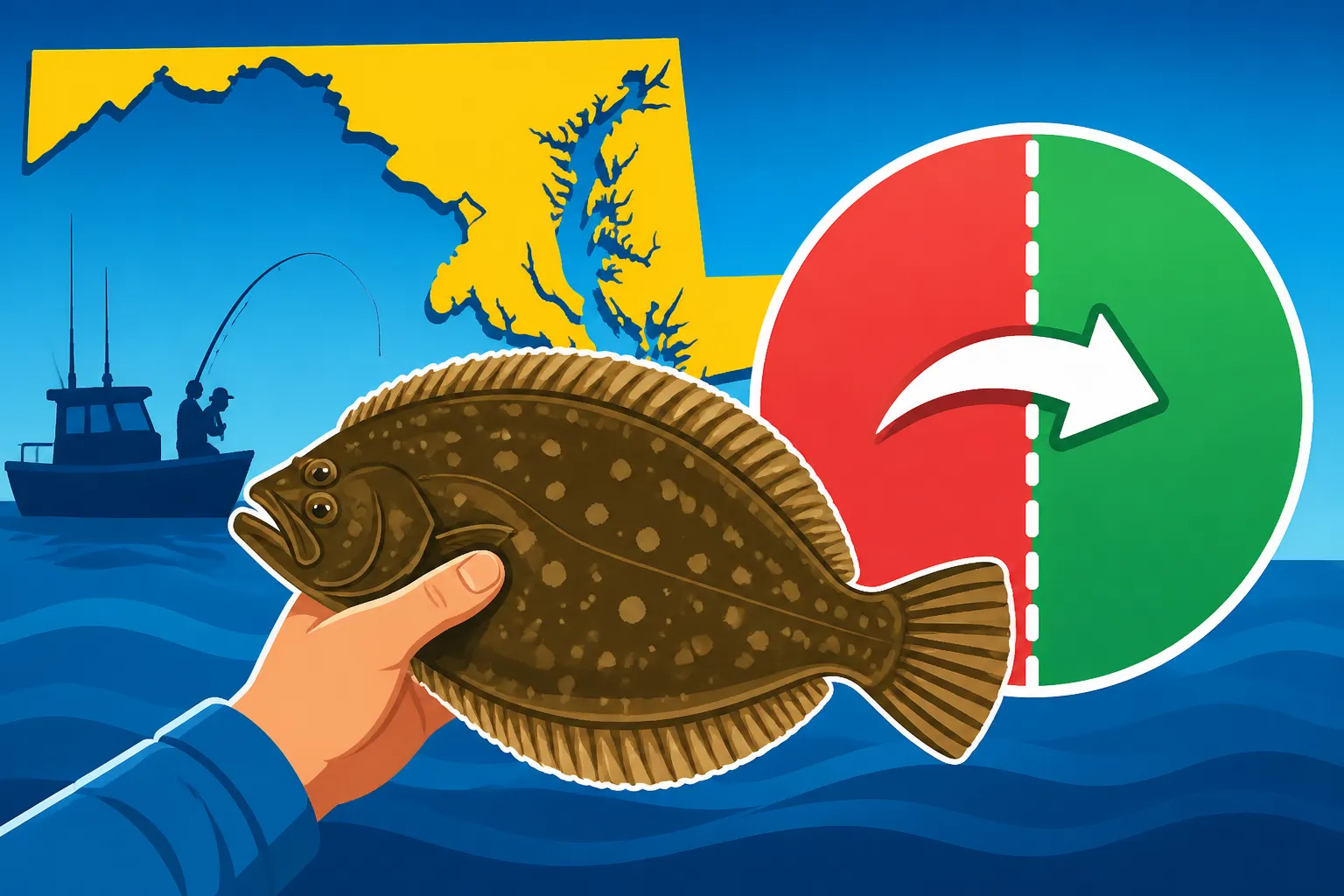
As of the most recent rule adjustments, including those implemented around the June timeframe for recent seasons, the minimum size limit for Summer Flounder in Maryland is 17.5 inches. This means any flounder you catch must measure at least 17.5 inches from the tip of its nose to the end of its tail, with the tail pinched to get the maximum length.
Now, I know what you're thinking: "Half an inch? Really?" Yes, really. That half-inch can mean the difference between a legal keeper and a hefty fine. This precise measurement isn't arbitrary; it’s carefully calculated based on growth rates and maturity, aiming to protect fish until they've had a chance to spawn at least once. It’s crucial to measure your fish accurately and without hesitation. Having a clearly marked, sturdy ruler on your boat or in your tackle box is a non-negotiable item. Many anglers find durable, waterproof measuring devices available on Amazon invaluable for this very reason.
Daily Creel Limit and Season
Beyond the size, you also need to adhere to the daily creel limit, which dictates how many flounder you can keep per person, per day. Currently, the daily creel limit for Summer Flounder in Maryland is 4 fish per person, per day. This limit applies whether you're fishing from a private boat, a charter, or from shore.
The good news for flounder enthusiasts is that the season is generally open year-round in Maryland waters. This flexibility allows anglers to target flounder whenever conditions are favorable, though their presence in Maryland waters is often more pronounced during warmer months. However, always remember that "open year-round" doesn't mean "rules never change." It's still vital to check the latest regulations, especially if you haven't been out on the water in a while or if you hear chatter about potential adjustments. This way, you're not caught off guard by an emergency closure or a last-minute tweak to the limits. Keeping an eye on the official DNR website or the Maryland Fishing License Guide for 2026 can save you a lot of headache.
Here's a quick summary of the current flounder regulations in Maryland:
| Species | Minimum Size Limit | Daily Creel Limit | Season |
|---|---|---|---|
| Summer Flounder | 17.5 inches | 4 fish per person | Year-round |
Practical Tips for Anglers Navigating New Rules
It’s one thing to know the rules; it’s another to apply them efficiently and ethically when you’re out on the water, especially after a rule change. Flounder fishing often involves catching quite a few fish to get your limit, and many of them will be undersized. Being prepared and knowing how to handle your catch correctly is key to a successful, and legal, day.
Mastering Quick and Accurate Measurement
The 17.5-inch rule for flounder means you need to be a pro at measuring on the fly. Don't wait until you're back at the dock to find out your fish is too short. Every fish you intend to keep needs to be measured immediately after being caught.
Here’s how to do it effectively:
- Have a Fixed Measuring Device: A sticker ruler on your cooler lid, a dedicated fish measuring board, or even a specialized ruler that attaches to your boat's gunwale are all excellent options. Make sure it’s clearly marked and easy to read. You can find a wide range of waterproof, boat-friendly rulers on Amazon that stand up to the elements.
- Lay the Fish Flat: Gently lay the flounder on its side on your measuring device. Ensure its nose is against a stop or the zero mark.
- Pinch the Tail: This is critical. Flounder tails can fan out or compress. To get the maximum length, gently pinch the tail lobes together. The measurement is taken to the absolute tip of the pinched tail.
- Be Quick: The less time a fish spends out of the water, the better its chances of survival if it needs to be released. Practice makes perfect here.
- No "Close Enough": If it's even a hair under, it goes back. There's no gray area when it comes to the law.
Remember, if you're not absolutely sure, err on the side of caution and release the fish. It’s better to be safe than sorry.
Minimizing Stress on Undersized Fish for Release
Catching undersized flounder is part of the game. How you handle those fish is paramount to their survival. The goal is to get them back into the water as quickly and unharmed as possible.
- Barbless Hooks (Optional, but helpful): While not universally required for flounder, using barbless hooks or pinching down the barbs on your hooks can make hook removal much easier and quicker, reducing stress and injury to the fish.
- Use the Right Tools: A good pair of long-nose pliers or a dedicated de-hooking tool (which you can easily grab on Amazon) is essential. Avoid tearing at the fish's mouth with your fingers if the hook is deep.
- Handle With Wet Hands: If you must handle the fish, wet your hands first. Dry hands can remove the protective slime coat, making the fish susceptible to disease.
- Support the Fish: Don’t let the fish flop around on the deck or suspend it by a single point. Support its body weight, especially if it's a larger fish.
- Return Promptly: Once measured and de-hooked, gently place the fish back into the water. Don't just toss it. If possible, point its head down to help it reorient and swim away. This practice helps ensure that the fish you release can grow up to be a legal keeper next time, contributing to the overall health of the flounder population. Understanding Maryland Catch and Release Rules During Closed Seasons can also inform your general approach to releasing fish.
Enforcement and Staying Compliant
Understanding the regulations is the first step, but what happens if you inadvertently break a rule, or worse, intentionally disregard them? Maryland takes its fishing regulations seriously, and the consequences for non-compliance can be significant. It's not just about losing your catch; it can impact your wallet and your fishing privileges.
The Role of Maryland Natural Resources Police
The Maryland Natural Resources Police (NRP) are the dedicated officers patrolling Maryland's waterways and lands, ensuring that anglers and boaters adhere to state regulations. These are the folks you'll see on patrol boats in the Chesapeake Bay, at public boat ramps, or checking anglers on piers along the coast. Their job is to protect Maryland's natural resources, and enforcing fishing limits, including flounder size and bag limits, is a core part of that mission.
NRP officers are highly trained and are adept at identifying violations. They have the authority to stop and inspect your catch, check your fishing license, and verify compliance with all state fishing laws. Their presence serves as a vital deterrent against illegal fishing activities, which can severely impact fish populations. It's always best to be prepared for an inspection, ensuring your license is current and easily accessible, and your catch is stored in a way that allows for easy counting and measurement. You can learn more about official resources by checking out Maryland's DNR Fishing and Boating Guide, Explained.
Penalties for Violations
Fishing without proper adherence to regulations, whether it's an undersized flounder or an over-the-limit catch, carries real consequences. The penalties can vary depending on the severity and nature of the violation, but they are generally structured to deter future infractions.
Typical penalties can include:
- Fines: These are monetary penalties, and they can range from moderate to substantial. For example, possession of undersized fish or exceeding bag limits can result in fines for each illegal fish caught. These fines often increase for repeat offenders.
- Forfeiture of Catch and Gear: NRP officers have the authority to seize any illegally caught fish. In more serious cases, especially involving commercial violations or repeated offenses, your fishing gear, vessel, or even your vehicle might be subject to forfeiture.
- Suspension or Revocation of Fishing Privileges: For serious or repeated violations, the DNR can suspend or even permanently revoke your fishing license. This means you could be legally barred from fishing in Maryland waters for a specified period or indefinitely.
- Court Appearances: Many violations will require a court appearance, which means additional time, legal fees, and the potential for a criminal record in severe cases.
It’s far simpler, less stressful, and much cheaper to simply follow the rules. When in doubt about any specific regulation, always consult the official Maryland DNR website or their latest fishing guide. Being proactive in understanding regulations, such as the overall Maryland Fishing Size and Catch Limits by Species or specific Maryland Daily Bag Limits by Species, is your best defense against unintended legal trouble.
Additional Flounder Fishing Considerations
Beyond the core size and bag limits, there are a few other nuances to flounder fishing in Maryland that savvy anglers keep in mind. These considerations can enhance your fishing experience and ensure you're fully prepared for a successful day on the water.
Distinguishing Between Tidal and Nontidal Waters
Maryland has a diverse range of fishing environments, from the vast expanse of the Chesapeake Bay to its many tidal rivers and freshwater lakes. When it comes to flounder, you'll almost exclusively find them in tidal waters—primarily the Atlantic Ocean, the coastal bays (like Assawoman Bay and Isle of Wight Bay near Ocean City), and the lower reaches of the Chesapeake Bay and its tidal tributaries.
It's important to understand the distinction because while flounder regulations apply broadly to all Maryland tidal waters where they are found, other species' rules might differ significantly between tidal and nontidal zones. For instance, some freshwater species have different size or creel limits in reservoirs compared to tidal rivers. Flounder are saltwater fish, and their habitat is specific to the salinity and environment of the bay and ocean. So, if you're targeting flounder, you'll want to focus your efforts in the appropriate saltwater environments, such as exploring Fishing Ocean City's Inlet and Jetties or the Best Piers and Shore Fishing Spots in Maryland that access tidal areas. Understanding the Difference Between a Tidal and Nontidal Maryland Fishing License is also crucial to ensure you have the correct permit for your chosen fishing spot.
Regional Differences in Flounder Regulations
While Maryland's DNR sets the state's recreational flounder regulations, it's worth noting that neighboring states along the Atlantic coast may have slightly different rules. For instance, Virginia or Delaware might have a different minimum size or creel limit, even if they are largely harmonized with regional management plans. This is particularly relevant if you fish near state borders, like the lower Potomac River (where Virginia and Maryland regulations sometimes intertwine) or the ocean waters that might span multiple states.
Always make sure you are aware of the specific regulations for the waters you are currently fishing. A fish that is legal in Ocean City, Maryland, might be undersized in Delaware waters just a few miles north, or vice-versa. Before embarking on a trip that takes you close to or across state lines, a quick check of the relevant state's DNR website is highly advisable. This will prevent any unfortunate misunderstandings with enforcement officers, regardless of which state's jurisdiction you're in. For those interested in broader regulations, looking into topics like Do Maryland, Virginia and Delaware Share the Same Flounder Limit? can provide deeper insight into regional consistency.
Final Thoughts on Flounder Rules
The dynamic nature of fishing regulations in Maryland, particularly for species like flounder, can certainly be a headache. However, each rule change, like the adjustments seen around June for flounder, is a deliberate step towards a larger goal: ensuring that these incredible fish continue to thrive for years to come. By staying informed, embracing accurate measurement, and practicing responsible catch-and-release, you're not just following the rules – you're actively contributing to the health and sustainability of Maryland's valuable fisheries.
Tight lines, and here's to many more successful flounder trips!
Disclaimer
The information provided in this guide is intended for general informational purposes only and is accurate to the best of our knowledge as of the date of publication. Fishing regulations, including size and creel limits, season dates, and licensing requirements, are subject to change at any time by the Maryland Department of Natural Resources (DNR) or other governing bodies. It is the angler's sole responsibility to consult the most current official Maryland DNR regulations before engaging in any fishing activity. Reliance on the information presented herein is at your own risk.