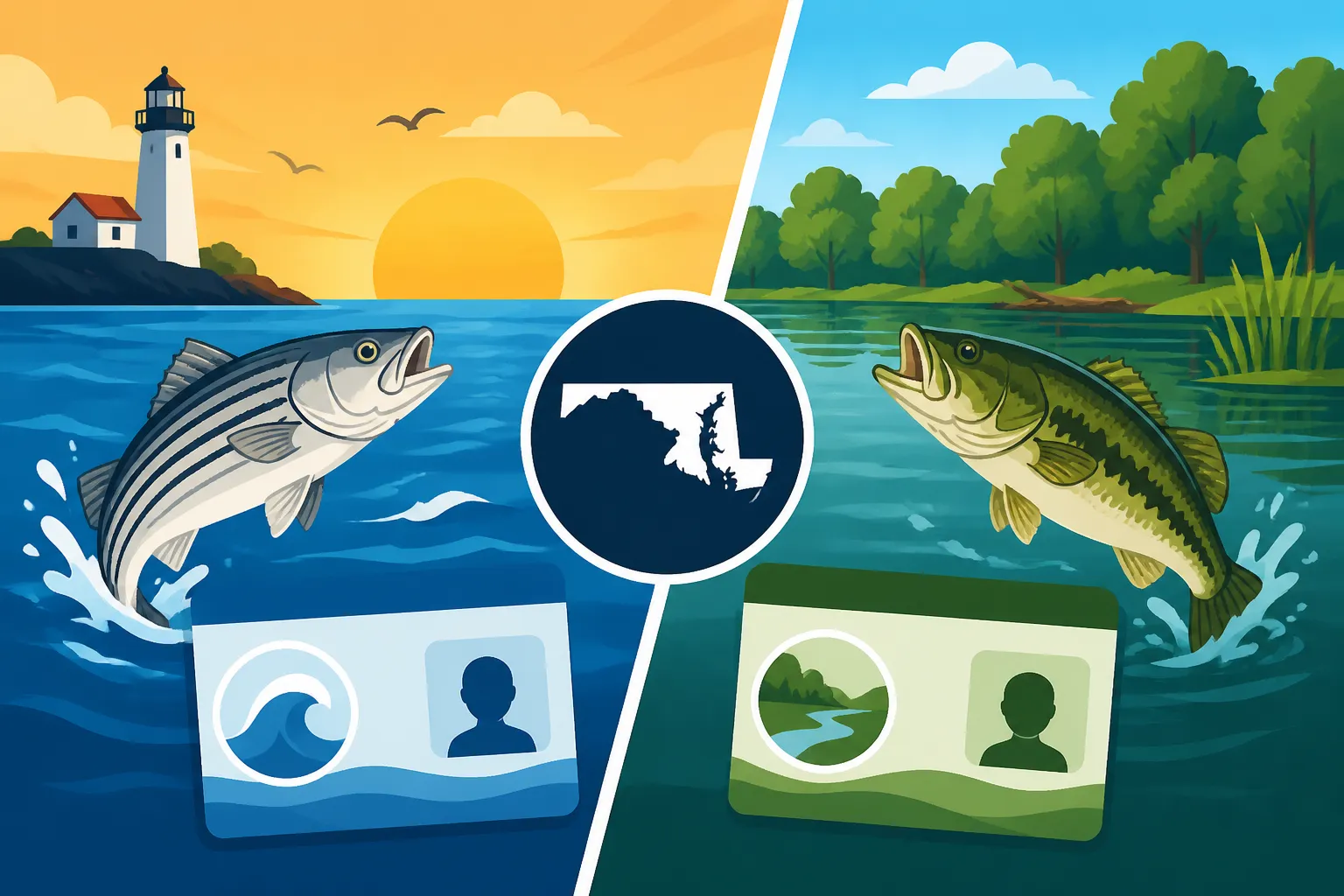
Difference Between a Tidal and Nontidal Maryland Fishing License
Navigating the world of Maryland fishing licenses can feel like trying to untangle a particularly stubborn snarl in your fishing line, especially when you encounter terms like "tidal" and "nontidal." It's a common point of confusion for both seasoned anglers and newcomers alike, and honestly, the rules can seem a bit opaque at first glance. Understanding the key differences between these two primary license types is absolutely crucial to ensure you're fishing legally and avoiding any unexpected fines, which can really put a damper on a peaceful day on the water. This guide is here to break it all down, making sense of Maryland's fishing license requirements so you can cast your line with confidence.
Understanding Maryland's Water Classifications
The very foundation of Maryland's fishing license system rests on how the state classifies its diverse waterways. It's not just about saltwater versus freshwater; it's about the influence of the ocean's tides. This distinction dictates which license you'll need, and sometimes, you might even find yourself transitioning between both types of water in a single fishing trip.
What Defines Tidal Waters in Maryland
Tidal waters in Maryland are essentially any bodies of water that experience the ebb and flow of the ocean's tides. This includes the vast expanse of the Chesapeake Bay itself, all its numerous tributaries that snake their way inland, the coastal bays behind Ocean City, and, of course, the Atlantic Ocean along Maryland's coast. If you're fishing in a spot where the water level visibly rises and falls with the tide, or where the salinity changes, you're almost certainly in tidal waters. Think of places like the Severn River near Annapolis, the Choptank River on the Eastern Shore, or the waters around Point Lookout. These areas are incredibly rich with species like striped bass, white perch, and bluefish, which thrive in brackish and saltwater environments. The tidal influence creates unique currents and habitat dynamics that anglers learn to read.
What Defines Nontidal Waters in Maryland
On the flip side, nontidal waters are those that are not directly affected by ocean tides. These are typically the freshwater rivers, streams, lakes, ponds, and reservoirs situated further inland, often "above the fall line." The fall line is a geological boundary where the Piedmont plateau meets the coastal plain, and it generally marks the upstream limit of tidal influence on rivers. For instance, the upper stretches of the Potomac River, the reservoirs like Loch Raven or Liberty, and numerous smaller streams that tumble down from the Appalachian foothills are all considered nontidal. These freshwater havens are home to species like largemouth bass, smallmouth bass, various trout species, crappie, and bluegill. Fishing in these areas often involves different techniques and approaches compared to their tidal counterparts, focusing more on current breaks, structure, and depth in a stable freshwater environment.
The Specifics of a Tidal Fishing License
If your angling dreams involve the vastness of the Chesapeake Bay, its numerous river mouths, or the coastal ocean, then a tidal fishing license is what you'll need. This license is officially known as the Chesapeake Bay & Coastal Bays Sport Fishing License and it’s your key to unlocking the incredible angling opportunities found in Maryland's estuarine and marine environments.
What a Tidal License Allows You To Do
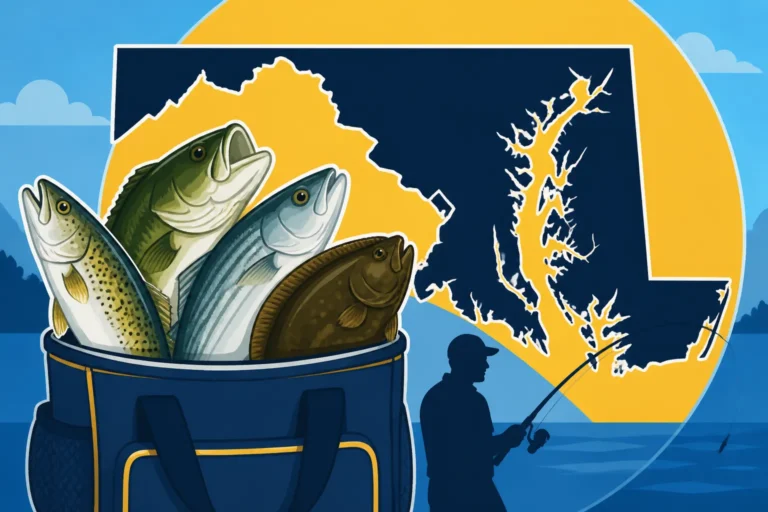
The Chesapeake Bay & Coastal Bays Sport Fishing License covers recreational fishing in all of Maryland's tidal waters. This includes everything from the main stem of the Chesapeake Bay, its multitude of tidal tributaries like the Patuxent, Nanticoke, and Chester Rivers, and the entire Atlantic Ocean coast, including the back bays around Ocean City. With this license, you can target popular species like striped bass (often called rockfish here in Maryland), bluefish, white perch, croaker, spot, flounder, and many others that frequent these salty and brackish environments.
It's important to understand that this license covers you whether you're fishing from a boat, pier, jetty, or directly from the shore. Many folks wonder, "Do you need a license to fish from a Maryland pier?" The answer is generally yes, unless that pier is specifically designated as a "Free Fishing Zone" by the Maryland Department of Natural Resources (DNR), which is quite rare. For the vast majority of public piers in tidal waters, your Chesapeake Bay & Coastal Bays Sport Fishing License is required.
It's also worth noting that if you're fishing from a properly licensed charter boat in Maryland, your personal license is usually covered by the vessel's blanket license. However, if you're on a friend's personal boat, everyone aboard who is fishing and is over the age of 16 (or older if a non-resident) will need their own license.
Important Tidal Water Additions and Exemptions
Beyond the main tidal license, there are a few nuances to be aware of. First, if you plan to recreationally crab using methods like trotlines or crab pots from your own vessel or property, you might want to look into a Maryland Crabbing and Fishing Combination License. While your fishing license doesn't cover crabbing directly, combination licenses can offer convenience.
Secondly, if you are strictly fishing in federal waters (more than three miles offshore in the Atlantic Ocean) or on certain headboats/party boats that possess a federal permit, you may not need a Maryland tidal license. However, if you launch from a Maryland port or fish in state waters at all, the Maryland license requirements will apply. Always check with your captain if you're unsure.
Also, it's vital to remember the free annual Maryland Saltwater Angler Registration Requirements. While it's not a license, it's a mandatory, free registration for anglers fishing in Maryland's tidal waters, even if you are otherwise exempt from needing a paid license (e.g., during Free Fishing Days). It helps the state collect vital data on fishing effort, which is critical for managing fish populations. It's quick to sign up for online, and neglecting it can still lead to issues if you're checked by DNR enforcement.
The Ins and Outs of a Nontidal Fishing License
If your passion lies in the quiet serenity of freshwater lakes, the babbling brooks of Western Maryland, or the upstream stretches of rivers where the tide's influence fades, then a nontidal fishing license is your go-to permit. This license exclusively covers Maryland's freshwater systems.
What a Nontidal License Allows You To Do
A Maryland Nontidal Fishing License grants you permission to fish in all freshwater lakes, ponds, reservoirs, and nontidal rivers and streams across the state. This means you're covered for targeting species like largemouth and smallmouth bass in reservoirs like Deep Creek Lake or the upper Potomac River, various panfish (crappie, bluegill, sunfish) in local ponds, and even catfish in larger nontidal river sections.
Just like with tidal waters, whether you're fishing from the bank, a boat, or wading in a stream, a nontidal license is typically required for anyone aged 16 and older. There are popular spots like Cunningham Falls State Park Lake or Greenbrier State Park Lake where a nontidal license is essential for enjoying the fishing opportunities.
The beauty of nontidal fishing is its accessibility. Many state parks, county parks, and public access points offer fantastic shore-based or small-boat fishing for freshwater species, and this license is your ticket to all of them. Make sure you check local regulations, as some private lakes or ponds might have their own specific rules or require additional permits, but for state-managed waters, the nontidal license is the standard.
Additional Endorsements for Nontidal Fishing
While the basic nontidal license covers most freshwater species, there's one significant endorsement you need to be aware of if trout are on your target list: the Maryland Trout Stamp Requirements.
A Trout Stamp is an additional purchase that must be affixed (or electronically linked) to your nontidal fishing license if you intend to fish for or possess trout in any designated trout waters. These are often cold-water streams or specific impoundments that are regularly stocked by the Maryland DNR. Even if you plan on catch-and-release fishing in these areas, you still need a trout stamp. This is a common point of confusion, as some anglers assume that if they aren't keeping fish, the stamp isn't necessary. The revenue generated from trout stamps goes directly back into the state's trout stocking and management programs, ensuring these fisheries remain vibrant. So, if you're heading to the Gunpowder River's famed trout sections or planning a trip to Deep Creek Lake with hopes of catching some stocked rainbows, don't forget that stamp!
When You Might Need Both or Neither
This is where things can get a little tricky, especially for those who fish diverse waters or have specific circumstances. Maryland offers a few scenarios where the license requirements might overlap or, conversely, be completely waived.
Fishing Across the "Fall Line"
Imagine you're fishing a river that starts high in the mountains and eventually flows into the Chesapeake Bay. As you move downstream, you'll eventually cross the "fall line" – that invisible boundary where the river transitions from nontidal (freshwater) to tidal (brackish/saltwater). This line isn't always marked clearly with a big sign, which makes things a bit confusing. A good example is the Susquehanna River below the Conowingo Dam, which quickly becomes tidal as it flows into the Chesapeake Bay.
If you plan to fish in both nontidal and tidal waters within the same trip, or if you're unsure exactly where the fall line is on a particular river and might cross it, the safest and easiest option is to purchase both a Nontidal Fishing License and a Chesapeake Bay & Coastal Bays Sport Fishing License. Some anglers choose to buy a Maryland Consolidated Sport Fishing License, which bundles both the nontidal and tidal components into one convenient license. It typically costs less than buying both separately and covers you across all of Maryland's state waters (excluding specific federal permits or private access rules). This is particularly useful for anglers who enjoy the diversity of Maryland's fishing scene, from mountain trout streams to bay striped bass.
Special Circumstances and Exemptions
Maryland does provide several exemptions and special provisions that can impact whether you need a license:
- Age Exemptions: Generally, children under the age of 16 do not need a fishing license in Maryland. This is fantastic news for families and encourages younger generations to get out on the water. However, if they participate in certain trophy fish contests or possess certain species, checking specific rules is always a good idea. For more details, you can check out "Do Kids Need a Fishing License in Maryland?".
- Free Fishing Days: Maryland typically offers a few Maryland Free Fishing Days each year where residents and non-residents can fish in designated tidal and nontidal waters without needing a license. These are wonderful opportunities for beginners or those who only fish occasionally. However, even on these days, if you're fishing in tidal waters, you still need to register for the free Maryland Saltwater Angler Registration.
- Private Ponds: If you are fishing in a pond that is entirely on private property and does not have public access or receive public fish stockings, you generally do not need a state fishing license. The key here is "entirely on private property" and "no public access." If the water connects to public waterways or is stocked by the state, a license is usually required.
- Charter Boats: As mentioned earlier, if you're a passenger on a properly licensed for-hire charter boat, the captain's license covers all anglers on board. This is a great way to experience Maryland's fishing without worrying about individual license purchases.
- Disabled Anglers and Military Personnel: Maryland offers special provisions for disabled residents and active-duty military personnel. For instance, eligible seniors might qualify for a Maryland Senior Consolidated Sport Fishing License, which offers reduced fees. It's always best to check the Maryland DNR website for the most current information regarding these specific exemptions and discounts.
Comparing Tidal and Nontidal Licenses
To help clarify the distinctions, let's put the two main license types side-by-side.
| Feature | Maryland Nontidal Fishing License | Maryland Chesapeake Bay & Coastal Bays Sport Fishing License |
|---|---|---|
| Waters Covered | All freshwater rivers, streams, lakes, ponds, reservoirs above the fall line. | Chesapeake Bay, its tidal tributaries, coastal bays (e.g., Ocean City back bays), Atlantic Ocean. |
| Typical Species | Largemouth Bass, Smallmouth Bass, Trout, Crappie, Bluegill, Chain Pickerel, Catfish (Channel, Flathead, Blue in nontidal areas). | Striped Bass (Rockfish), Bluefish, White Perch, Flounder, Croaker, Spot, Red Drum, Black Sea Bass, Tautog. |
| Additional Requirements | Trout Stamp needed for fishing or possessing trout in designated trout waters. | Free Maryland Saltwater Angler Registration (mandatory for most tidal anglers, even if otherwise exempt). |
| Best For | Anglers focused on freshwater fishing; mountain streams, large reservoirs. | Anglers focused on saltwater/brackish fishing; Bay, coastal estuaries, ocean. |
| Common Purchase Options | Annual, 7-Day, 3-Day (non-resident), Consolidated. | Annual, 7-Day, 3-Day (non-resident), Consolidated. |
Understanding these distinctions is key to having a successful and legal fishing experience in Maryland. Whether you prefer the thrill of catching a trophy rockfish in the Bay or the peaceful pursuit of a rainbow trout in a mountain stream, Maryland has an incredible variety of angling opportunities—just make sure you've got the right paperwork!
Staying Up-to-Date with Regulations
The world of fishing regulations isn't static. Rules can change from year to year, or sometimes even mid-season, especially for highly managed species like striped bass or flounder. These changes are often driven by scientific data on fish populations, environmental factors, or federal mandates.
It's paramount to regularly consult the official Maryland Department of Natural Resources (DNR) website or pick up their current fishing guide. These resources will provide the most accurate and up-to-date information on license requirements, season dates, size limits, and creel limits for various species in both tidal and nontidal waters. For instance, specific rules for Maryland Striped Bass Season and Rockfish Rules or Maryland Flounder Size Limit are subject to change and anglers must be aware of them.
Don't rely solely on what you heard from a friend last year, or an outdated website. A quick check of the DNR's official sources before each fishing trip can save you from potential headaches and ensure you're contributing to sustainable fishing practices. Ignorance of the law is not an excuse, and violating fishing regulations can result in significant Maryland Fishing License Penalties for Violations. Stay informed, stay legal, and enjoy Maryland's amazing fisheries responsibly!
Disclaimer
Please remember that fishing regulations are subject to change. While this guide aims to provide accurate and up-to-date information, it is your responsibility to verify all current Maryland fishing license requirements and regulations with the official Maryland Department of Natural Resources (DNR) before fishing.