Guided Kayak Trips on the Chester River
Trying to figure out where to launch your kayak, what bait to use, or how to navigate the ever-changing tides and fishing regulations on a new body of water can be downright overwhelming, especially on a diverse system like the Chester River. This guide is here to unravel all those complexities for you, helping you understand the immense value of booking a guided kayak trip on the Chester, and what you can expect from such an adventure.
Why Choose a Guided Kayak Trip on the Chester River?
The Chester River is a jewel on Maryland's Eastern Shore, offering a fantastic mix of shallow creeks, deeper channels, and vast open water. But for an angler, especially one new to the area or new to kayak fishing, this diversity can be a double-edged sword. You see, it's not just about getting a kayak wet; it's about knowing where the fish are hiding, understanding their patterns, and doing it all safely and legally. That's where a seasoned guide truly shines. They bridge the gap between just paddling around and actually having a productive, enjoyable, and safe fishing experience.
Think about it: how many times have you launched your own kayak, paddled for hours, and come back with nothing but a tired arm and maybe a sunburn? It’s frustrating, right? A guided trip eliminates much of that guesswork and replaces it with informed, targeted effort. It's an investment not just in a day of fishing, but in gaining local knowledge that can improve all your future trips.
Navigating the Waters and Regulations
The Chester River, like many tidal tributaries of the Chesapeake Bay, has its own unique nuances when it comes to navigation and regulations. There are oyster leases to avoid, crab pots to dodge, and specific channel markers to understand. Without local knowledge, you could easily find yourself in a tricky situation, or worse, unintentionally violating a rule. A good guide doesn't just know the river; they live the river. They're intimately familiar with its every bend, shoal, and drop-off, knowing exactly where it's safe to paddle and where the currents can be strong.
Beyond the physical navigation, there's the labyrinth of Maryland fishing regulations. Daily creel limits, size restrictions, seasonal closures, and even specific gear requirements can change from year to year, or even mid-season. For instance, Maryland Striped Bass Season and Rockfish Rules are frequently updated, and understanding them perfectly can be crucial to a successful and legal outing. A guide takes this burden off your shoulders, ensuring that every fish you catch and potentially keep adheres to the latest rules. They've already done their homework, so you don't have to spend your precious fishing time poring over a rulebook.
Maximizing Your Fishing Success
Let's be honest, the main reason we go fishing is to catch fish! And this is perhaps the biggest draw of a guided kayak trip. Kayak fishing is a unique discipline, requiring specialized techniques and an understanding of how to effectively present baits and lures from a low-profile, maneuverable craft. A guide will put you on the fish by taking you to proven honey holes, spots that might look unremarkable to the untrained eye but consistently produce. They know the bait fish movements, the tidal flows that activate feeding, and the specific structures where your target species will be holding.
For example, if you're targeting Striped Bass: Maryland's State Fish, a guide might know a particular channel edge or submerged point where they ambush bait on a falling tide. If you're after White Perch in Maryland's Chesapeake Bay, they'll steer you to shallow oyster beds or creek mouths during their spawning runs. They'll also provide or recommend the right tackle and teach you the most effective techniques for that specific time of year and location, whether it's jigging, casting topwater lures, or setting up for bottom fishing. This hands-on instruction can be invaluable for honing your own kayak fishing skills.
Safety and Local Expertise
Safety should always be paramount when you're on the water, especially in a kayak where you're more exposed to the elements and other boat traffic. The Chester River, while beautiful, can have unpredictable weather changes, strong winds, and heavy boat traffic, particularly during peak seasons. A professional guide is certified, experienced, and equipped with all the necessary safety gear, from radios and first-aid kits to knowing where the nearest safe harbor is if a storm rolls in. This peace of mind allows you to focus solely on the fishing and enjoying the natural beauty around you.
Beyond safety, guides bring an incredible depth of local expertise. They're not just about fish; they know the history of the river, the wildlife you might encounter, and the ecological stories of the area. Imagine paddling past an osprey nest, and your guide can tell you about the birds' migratory patterns, or pointing out a bald eagle soaring overhead. They often have insights into what makes the Chester River special, from its rich history in the oyster industry to the conservation efforts preserving its health. This adds a whole other layer to your fishing adventure, turning it into a truly immersive experience.
What to Expect from a Chester River Kayak Fishing Guide
Once you've decided a guided trip is for you, the next step is understanding what a typical outing entails. Reputable kayak fishing guides on the Chester River aim to make your experience as seamless and productive as possible, handling many of the logistics that would otherwise fall on you. This means you can show up ready to fish, without worrying about hauling heavy gear or wondering if you've packed the right lures.
It’s worth noting that while many guides offer similar services, there can be variations. Some might specialize in certain species or techniques, while others cater more to beginners or families. Don't hesitate to ask specific questions when booking to ensure their style matches your expectations. You can often find a great selection of local guides and their offerings on platforms like FishingBooker, where you can compare options and read reviews.
Gear, Kayaks, and Tackle Provided
One of the biggest advantages of a guided kayak trip is that the guide typically supplies all the essential gear. This usually includes:
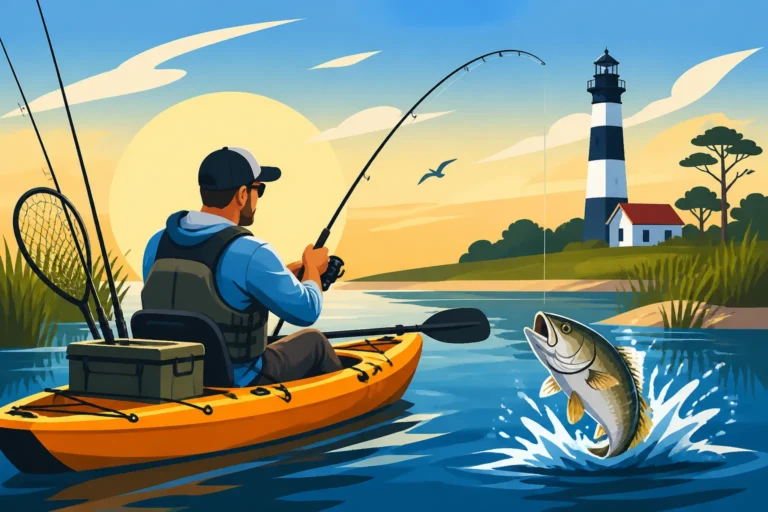
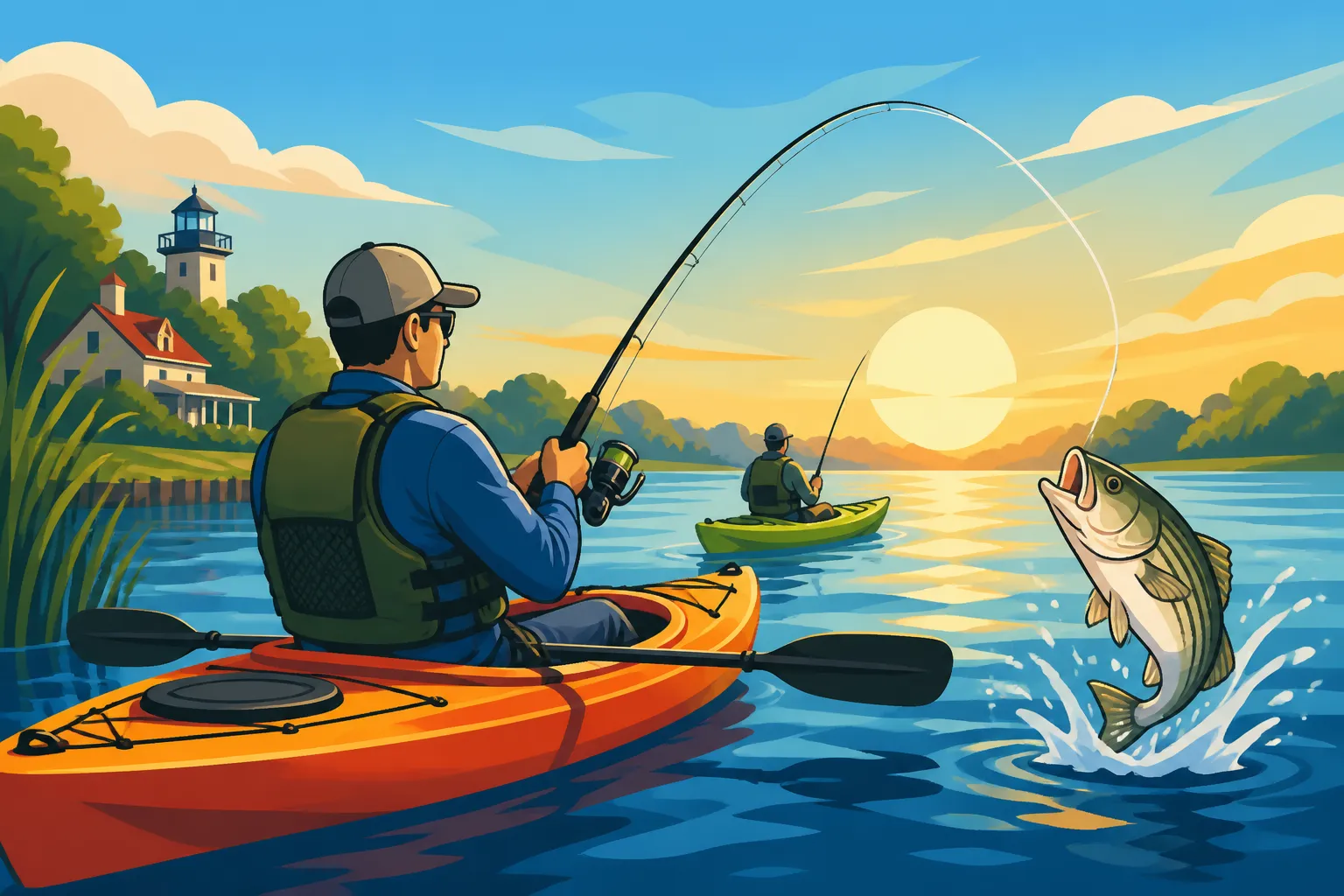
- High-Quality Fishing Kayaks: Often stable, sit-on-top models specifically designed for fishing, complete with comfortable seats, paddle holders, and sometimes even pedal drives for hands-free propulsion. They'll ensure you have the right size and type of kayak for your comfort and skill level.
- Paddles and PFDs (Life Jackets): Properly sized and maintained. Safety is paramount, and a good guide will make sure you're fitted correctly.
- Rods, Reels, and Tackle: The guide will have a selection of rods and reels suited for the target species and conditions, along with an array of proven lures, baits, and terminal tackle. This saves you the expense of buying specialized gear and ensures you're using what works best locally. You won't have to guess if that crankbait or soft plastic is the "right" one; the guide knows.
- Safety Equipment: First-aid kits, communication devices, anchor systems, and often a mother ship (a larger boat) if the conditions warrant or if you're covering greater distances.
This comprehensive provision of gear is a huge relief, especially for those traveling from out of state or those who don't own all the specialized kayak fishing equipment. It also means you're using well-maintained, high-performance equipment designed for the job.
Typical Target Species and Techniques
The Chester River offers a diverse fishery, and your guide will tailor the trip to what's biting best, or what you specifically want to target. Common species you might chase include:
- Striped Bass (Rockfish): A perennial favorite, found throughout the river, especially around structure like oyster beds, channel edges, and bridge pilings. Techniques often involve jigging with soft plastics, casting topwater lures during low-light conditions, or even live-lining bait fish.
- White Perch: Abundant and aggressive, these smaller cousins of the striped bass are fantastic fighters on light tackle and make excellent table fare. They can be found in shallow creeks and deeper channels, often targeted with small jigs, spinnerbaits, or bait like grass shrimp and bloodworms.
- Largemouth Bass: While the Chester is tidal, its upper reaches and many tributary creeks offer excellent freshwater-like conditions for largemouth. Your guide might employ techniques like casting wacky worms, crankbaits, or flipping jigs into lily pads and fallen timber.
- Maryland Blue Catfish, an Invasive Giant: These hard-fighting invasives are plentiful in the Chester and its deeper tributaries. Guides often target them with cut bait on bottom rigs, providing an opportunity for non-stop action and a delicious meal.
- Northern Snakehead in Maryland Waters: Increasingly common in the shallower, grassy areas of the Chester and its creeks, snakeheads are an exciting target. Guides often use topwater frogs, chatterbaits, or even live minnows to entice these aggressive predators.
A good guide will constantly monitor conditions and adjust strategies to maximize your chances of success. They’ll teach you how to read the water, identify likely holding spots, and refine your casting or presentation techniques from a kayak.
Trip Length, Group Sizes, and Customization
Kayak fishing trips on the Chester River typically range from half-day (4-5 hours) to full-day (7-8 hours) excursions. Half-day trips are great for beginners, those with limited time, or if you're just looking for a taste of the action. Full-day trips allow for more exploration, hitting multiple spots, and adapting to changing conditions, often leading to a more diverse catch.
Most kayak guides work with small groups, often 1-3 anglers, to ensure personalized attention and maintain the quiet, intimate nature of kayak fishing. This small group size is ideal for instruction and allows the guide to easily assist with re-tying lines, untangling snags, or helping land a fish. If you have a larger group, some guides might operate with an assistant guide or recommend splitting into multiple boats.
Many guides also offer customization. Want to specifically target snakeheads? Interested in learning fly fishing from a kayak? Have a child who needs extra patience and instruction? Communicate your preferences when booking. A great guide will do their best to accommodate your requests and create a memorable experience tailored to your interests. This flexibility is a key benefit of booking a private guided trip.
Finding and Booking Your Chester River Kayak Guide
So, you're convinced that a guided kayak trip on the Chester River is the way to go. Excellent! Now comes the practical part: how do you find and secure the right guide for your adventure? It’s more than just a quick search; it involves a bit of research, understanding what you’re paying for, and clear communication to ensure a smooth, enjoyable trip. Don't just pick the first name you see; finding the right fit can make all the difference.
Platforms like FishingBooker are excellent resources for finding guides. They often list multiple operators, show availability, and feature reviews from previous clients, which can be invaluable for making an informed decision. Look for guides who specialize in kayak fishing, as their expertise and equipment will be specifically geared towards this unique approach.
Researching Local Guides and Their Specialties
Start by looking for guides who explicitly advertise kayak fishing on the Chester River or its specific tributaries. Check their websites, social media, and online profiles (like those on FishingBooker). Here are some things to look for:
- Experience and Credentials: How long have they been guiding? Do they have all the necessary certifications and licenses, including Coast Guard credentials if they use a motorboat as a mother ship?
- Target Species: Does their specialty align with what you want to catch? Some guides might be renowned for their ability to find trophy striped bass, while others might focus on the exciting challenge of Techniques for Catching Snakehead in Maryland.
- Client Reviews: This is huge! Past client feedback offers real-world insight into a guide's personality, teaching style, professionalism, and ability to put clients on fish. Look for consistent themes in positive (and negative) reviews.
- Equipment: Do they specify the types of kayaks they use? Are they modern, stable fishing kayaks? What kind of rods and reels do they provide? This can give you an idea of the quality of your experience.
- Geographic Focus: While they operate on the Chester River, some guides might focus on the upper tidal sections, others on the lower bay-influenced areas. Knowing their specific stomping grounds can help.
Don't be afraid to call or email a few guides to ask questions. This initial contact is also a great way to gauge their communication style and responsiveness, which are good indicators of how they’ll handle your trip.
Understanding Pricing and Inclusions
Pricing for guided kayak trips can vary based on trip length (half-day vs. full-day), the number of anglers, and the guide's experience and reputation. When you get a quote, make sure you understand exactly what's included and what's not. Common inclusions are typically:
- Kayak and Paddle: As mentioned, good quality fishing kayaks.
- PFD (Life Jacket): Mandatory for safety.
- Rods, Reels, and Tackle: Often including lures and bait.
- Bottled Water/Snacks: Some guides provide these; others expect you to bring your own.
- Fish Cleaning: Many guides will clean and bag your legal catch at the end of the trip.
Things that might not be included, and that you should clarify, are:
- Maryland Fishing License Guide for 2026: You will almost always need your own license. While your guide's commercial license covers the boat, individual anglers need their own. Check out Do You Need Your Own License on a Maryland Charter? for more details.
- Gratuity: It is customary to tip your guide, especially if they provided excellent service. Factor this into your budget.
- Lunch: For full-day trips, ask if lunch is provided or if you should bring your own.
- Sunscreen, Hat, Sunglasses: These personal items are usually up to you.
- Waders/Appropriate Clothing: The guide might offer recommendations based on the season.
Always confirm the deposit policy and cancellation terms, especially regarding weather. Maryland weather can be fickle, and you want to know what happens if the trip needs to be rescheduled. For a general idea of costs, you can look up How Much Do Kayak Fishing Guides Charge in Maryland?.
Making the Reservation and Preparing for Your Trip
Once you've chosen your guide, secure your reservation as early as possible, especially during peak fishing seasons like spring and fall. Popular guides book up quickly!
Before your trip, the guide will likely send you a confirmation and some preparation notes. Pay close attention to these. Here's a general checklist of what you should typically plan for:
- Fishing License: Purchase your Maryland fishing license beforehand. You can often do this online through the Maryland Department of Natural Resources (DNR) website.
- Appropriate Clothing: Dress in layers, suitable for the weather conditions. Even on sunny days, mornings can be cool, and afternoons can get hot. Quick-drying fabrics are always a good choice. Consider sun protection like long sleeves and pants.
- Sun Protection: Sunscreen, a wide-brimmed hat, and polarized sunglasses are absolute must-haves on the water.
- Snacks and Drinks: Even if the guide provides some, bringing your favorites is a good idea, especially for a full day out.
- Camera: To capture those memorable moments and trophy catches!
- Small Cooler: If you plan to keep fish, a personal cooler to transport your fillets home is helpful.
- Footwear: Water shoes, sandals that strap on, or old sneakers are perfect. Avoid flip-flops that can easily slip off.
- Rain Gear: Always a good idea to pack a light rain jacket, even if the forecast looks clear.
Your guide will provide specific meeting instructions, usually at a public boat ramp or access point on the Chester River. Arrive on time, be well-rested, and be ready for an incredible day of fishing and exploration on one of Maryland’s most beautiful waterways. Remember, your guide is there to ensure you have a fantastic time and learn a lot about Kayak Fishing Techniques for Maryland Waters.
Embarking on a guided kayak trip on the Chester River is more than just a fishing excursion; it's an educational adventure that combines the tranquility of kayaking with the excitement of targeted angling. By leveraging the local knowledge and expertise of a professional guide, you'll unlock the full potential of this magnificent waterway, leaving with both fish in your cooler and invaluable memories.
Disclaimer
This article is for general informational purposes only and does not constitute professional advice. Laws, prices and regulations vary by location and change over time. Consult a qualified professional for guidance on your specific situation.