How Long Is a Typical Ocean City Tuna Charter?
Planning an offshore tuna trip from Ocean City, Maryland, is an incredibly exciting prospect, but one of the first questions on any angler's mind is often, "Just how long is this adventure going to take?" It's not like dropping a line in a local pond; these trips are a significant commitment of time and resources. This guide is here to shed light on the typical durations of Ocean City tuna charters, breaking down what influences the length of your trip and what you can expect from these thrilling, often marathon, fishing expeditions.
The Standard Lengths of an Ocean City Tuna Charter
When you set your sights on tuna fishing out of Ocean City, you're not signing up for a quick jaunt. These are serious endeavors designed to take you far offshore to where the big pelagic species roam. Understanding the typical time commitments will help you prepare mentally and physically for the adventure ahead.
Typical Full-Day Offshore Tuna Trips
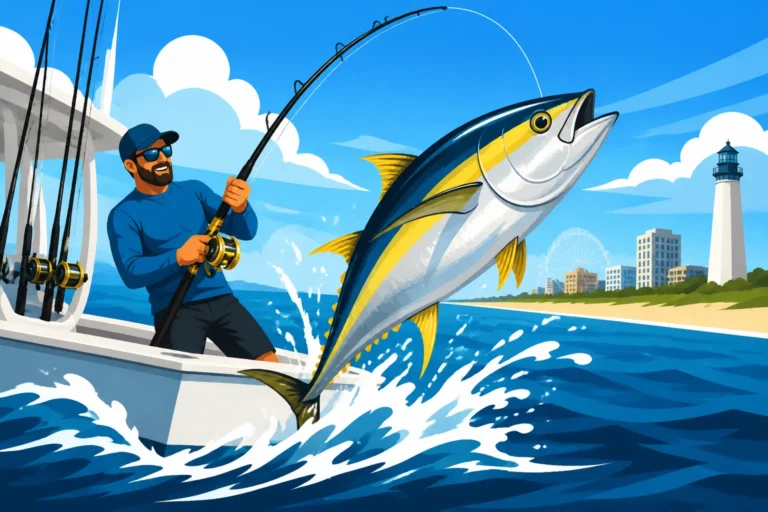
The most common option you'll encounter for tuna fishing from Ocean City is what's generally referred to as a "full-day" or "day-long" offshore charter. Now, don't let the simplicity of "full-day" fool you into thinking it's a standard 8-hour workday. For offshore tuna, a full-day charter typically runs anywhere from 10 to 12 hours dock-to-dock. This means you're usually leaving the dock well before sunrise, often between 4:00 AM and 5:00 AM, and not returning until late afternoon, perhaps 4:00 PM to 6:00 PM, sometimes even later depending on the run and the fishing action.
During these 10-12 hours, a significant portion is dedicated to travel. You'll spend several hours running out to the fishing grounds, then several more hours running back to the inlet. The time you actually spend with lines in the water, actively fishing for tuna, is nestled in between. This duration is a carefully calculated balance by charter captains to provide enough time to reach productive areas, deploy gear, fish effectively, and safely return before dark, all while managing fuel consumption and crew fatigue.
Extended and Overnight Canyon Adventures
For those who crave even more time on the vast Atlantic, many Ocean City charter operations offer "extended full-day" or even "overnight" trips. An extended full-day charter might stretch to 14 hours or more, adding those crucial extra hours that can make a difference if the fish are further out, or if the bite really picks up late in the day. These trips allow for more travel flexibility, potentially letting the captain reach even more distant canyons or stay longer on a hot bite without rushing back.
Overnight tuna charters are truly the ultimate offshore experience, transforming a fishing trip into a multi-day expedition. These trips usually last 24 to 36 hours, or sometimes even longer, allowing anglers to fish through the night. Imagine watching the sunset over the endless ocean, fishing under the stars, and then watching a spectacular sunrise, all while targeting powerful tuna or even swordfish that are more active after dark. These are for the most dedicated and adventurous anglers, offering maximum fishing time and a truly immersive experience.
Why Tuna Charters Need So Much Time
The primary reason Ocean City tuna charters require such substantial time commitments boils down to geography and biology. Tuna, especially the highly sought-after bluefin, yellowfin, and bigeye, are pelagic species that migrate and feed in specific oceanic conditions. These conditions are typically found far offshore in deep waters, often around underwater canyons and temperature breaks that concentrate baitfish.
The productive fishing grounds, often referred to as "the canyons," are not just a few miles offshore; they can be 50, 70, or even over 100 miles from the Ocean City inlet. A modern offshore sportfishing boat, while fast, still takes several hours to cover these distances. Add to that the time it takes to deploy a complex trolling spread, actively fish for hours, and then safely retrieve all the gear and make the long run back, and you quickly see why a full day turns into 10-12 hours at sea. It's a logistical dance to maximize your chances of encountering these powerful fish while ensuring a safe and manageable trip.
Factors That Influence Your Tuna Charter's Duration
While there are standard durations for offshore tuna charters, the actual time you spend out on the water can be influenced by several variables. It's not always a rigid schedule, and flexibility is often key to a successful trip.
The Distance to Maryland's Offshore Canyons
As we touched on, the geographical location of the prime tuna grounds is perhaps the most significant factor dictating trip length. When you book an Ocean City Maryland Offshore Charter Fishing trip, you're aiming for spots like the Baltimore Canyon, Washington Canyon, Poorman's Canyon, or even further south. These are deep-water trenches and underwater structures that create upwellings and eddies, concentrating nutrients and baitfish, which in turn attract tuna.
The run to these canyons from Ocean City can take anywhere from 2.5 to 5 hours each way, depending on the specific canyon chosen, the speed of the vessel, and sea conditions. If the captain hears of a red-hot bite in a canyon that's 90 miles out instead of 60, they might opt for the longer run to increase your chances, pushing the trip closer to the 12-hour mark or even longer if it's an extended trip. This travel time is unavoidable and an integral part of the offshore tuna experience.
Weather, Sea Conditions, and Fishing Success
The unpredictable nature of the open ocean plays a massive role in trip duration and overall success. A beautiful, calm day allows the captain to run at optimal speed, making good time to and from the fishing grounds. However, if the seas are rough, with significant swells or chop, the boat will have to slow down considerably for safety and passenger comfort. This can add hours to the travel time, potentially cutting into fishing time or extending the overall length of the day. Charters often keep a close eye on forecasts; it's why captains might cancel or postpone if conditions are too severe, as discussed in What Happens If a Charter Is Canceled Due to Weather?.
Furthermore, fishing success can indirectly affect how long you stay out. If the bite is phenomenal and you're hooking up repeatedly, the captain might extend the fishing time slightly if the schedule allows, especially if you're close to limits or aiming for a trophy. Conversely, if fishing is slow despite efforts, the captain might decide to cut the fishing portion a bit shorter to avoid unnecessary expenses or simply to spare anglers from a grueling, unproductive wait.
The Specific Tuna Species You're Targeting
While "tuna fishing" is a broad term, Ocean City charters often target specific species, and their behavior can influence trip duration. Yellowfin tuna are often found in good numbers and can be caught steadily, but bluefin tuna, especially the larger ones, can be migratory and require more searching. Bigeye tuna are known for being more active during certain times, sometimes favoring dusk or dawn, which naturally lends itself to longer trips or overnight expeditions. What Species Do Ocean City Offshore Charters Target? dives deeper into this.
If your primary goal is to target trophy bluefin or elusive bigeye, the captain might suggest a longer trip duration upfront to maximize the chances of finding these particular fish. This could mean more time dedicated to scouting, varying trolling patterns, or even staying later to capitalize on specific feeding windows. The species targeted directly affects the strategy, which in turn impacts how long the charter needs to be.
Choosing the Right Tuna Charter Length for Your Trip
With various options available, deciding on the ideal tuna charter length requires considering a few personal and practical factors. It's about finding the sweet spot between your ambition, your comfort, and your wallet.
Balancing Budget and Fishing Ambition
Let's be realistic: offshore tuna charters are an investment. The longer the trip, the higher the cost. Maryland Charter Boat Costs Explained details that factors like fuel, crew wages, and boat maintenance all scale with time. A typical full-day charter will naturally be more affordable than a 14-hour extended trip, which in turn is significantly less expensive than a 24-36 hour overnight canyon adventure. You'll want to review How Much Does an Ocean City Offshore Charter Cost? carefully.
Your fishing ambition plays a big role here. If your main goal is simply to experience offshore fishing and catch a few yellowfin, a standard 10-12 hour full-day trip might be perfect. However, if you're dreaming of a true giant bluefin or want the ultimate challenge of an overnight bigeye trip, you'll need to allocate a larger budget for the extended time on the water. Platforms like FishingBooker can be incredibly helpful for comparing different charter options and their associated durations and costs, allowing you to find a trip that aligns with both your dreams and your financial plan.
Your Crew's Experience and Endurance Levels
Offshore tuna fishing is not for the faint of heart, nor for those prone to seasickness. It's a physically demanding activity, even on a calm day. The long hours, the constant motion of the boat, the sun, and the sheer power required to fight a large tuna can be exhausting. A 10-12 hour trip is manageable for most reasonably fit individuals, especially with breaks.
However, an extended 14-hour trip or, even more so, a 24-hour overnight excursion requires significant endurance. Consider the experience level and physical stamina of everyone in your party. If you have beginners, younger anglers, or those with less sea experience, a standard full-day might be the most enjoyable option. More seasoned anglers, or those specifically training for big game, might relish the challenge of a longer trip. Honesty about your group's capabilities will ensure everyone has a positive, memorable experience.
What to Discuss with Your Charter Captain
Before booking, especially if you're using a service like FishingBooker to compare options, it's crucial to have a candid conversation with your prospective charter captain. They are the experts who live and breathe these waters. Discuss your expectations, your target species, and your group's experience level.
Ask about their typical itinerary for different length trips and what kind of tuna they've been seeing on recent excursions. A good captain will be transparent about the pros and cons of different trip lengths for your specific goals. They can advise on the best time of year to book, the typical conditions you might encounter, and what you can realistically expect from a given trip duration. Asking about How Far in Advance to Book a Maryland Fishing Charter is also a smart move, especially for peak season trips. They'll also tell you about any specific regulations, like needing to know Do You Need Your Own License on a Maryland Charter?, though generally the charter boat license covers passengers.
Preparing for a Long Day on the Ocean
Regardless of whether you choose a 10-hour full-day or an extended overnight trip, offshore tuna fishing requires thoughtful preparation to ensure comfort, safety, and enjoyment.
Essential Gear and Supplies for Offshore Tuna Fishing
When you're heading so far offshore, you need to be self-sufficient for the day (or longer!). The captain and crew will provide all the necessary fishing gear, bait, and safety equipment, but your personal packing list is critical. Think about layers of clothing, as temperatures can change drastically from predawn dock to midday offshore sun, and then back to evening. Sun protection is non-negotiable: hats, sunglasses, high SPF sunscreen, and even sun-protective clothing.
Hydration is paramount, so bring plenty of water, and then bring some more. High-energy snacks and a packed lunch are also essential, as fishing can be exhilarating but also draining. Don't forget any personal medications, especially seasickness remedies, which should ideally be taken before you leave the dock. A small, waterproof bag for personal items like phones and wallets is also a good idea. For a more comprehensive list, check out What to Bring on a Maryland Fishing Charter.
Understanding Your Charter Crew's Role
On a tuna charter, the captain and mate are your guides, your teachers, and your tireless assistants. The captain is responsible for navigation, boat operation, safety, and putting you on the fish. They're constantly monitoring weather, sea conditions, and fish reports to make the best decisions for your trip. Meanwhile, the mate is the backbone of the fishing operation. They'll rig baits, deploy the trolling spread, untangle lines, assist in fighting fish, gaff the tuna, and handle all the grunt work to keep the fishing going smoothly.
Their expertise is invaluable, especially during a long day far from shore. Don't hesitate to ask questions, but also be mindful of their duties. They work incredibly hard to ensure you have a successful trip, and a positive attitude from the anglers goes a long way. Always remember to consider standard gratuities for the crew, as they depend on them. Choosing a Licensed Captain in Maryland is always a good practice to ensure you're in capable hands.
Post-Trip Logistics and Fish Handling
After a long day or night of battling tuna, the trip isn't quite over once you pull back up to the dock in Ocean City. Most charters will offer fish cleaning and filleting services, often for an additional fee, but it’s definitely worth it. This is where your hard-won catch is transformed into delicious fillets ready for the cooler.
You'll need to have a plan for transporting your fish home. Bring large coolers filled with ice to keep your catch fresh for the journey. A typical tuna charter will yield a substantial amount of meat, so make sure your coolers are adequately sized. Be prepared for some late-day traffic in Ocean City, especially during peak season, as many other anglers will be returning and heading home after their Maryland's Most Popular Saltwater Gamefish adventures. It's a fitting end to a long, hard, but incredibly rewarding day (or two!) offshore.
| Charter Type | Typical Duration | Key Features | Ideal For |
|---|---|---|---|
| Full-Day | 10-12 hours | Most common, balances travel and fishing, back before dark. | Most anglers, first-timers, good balance of cost and experience. |
| Extended Full-Day | 14+ hours | Extra time for longer runs, more fishing time, flexibility. | Anglers seeking more fishing time, specific targets, willing to spend more. |
| Overnight | 24-36+ hours | Max fishing time, targets nocturnal species, unique experience, significant cost. | Highly experienced, dedicated anglers, targeting trophy tuna or swordfish, large budget. |
Disclaimer
This article is for general informational purposes only and does not constitute professional advice. Laws, prices and regulations vary by location and change over time. Consult a qualified professional for guidance on your specific situation.