Guided Snakehead Fishing Trips on the Potomac
The allure of Maryland's Potomac River is undeniable for anglers, but for many, the growing presence of the Northern Snakehead has transformed fishing from a tranquil pastime into an exciting, almost primal hunt. This incredibly aggressive, resilient, and famously invasive species offers a unique challenge that traditional fishing methods often don't address. If you've been frustrated by missed strikes or unsure how to even begin targeting these formidable fish, this comprehensive guide will walk you through everything you need to know about embarking on a guided snakehead fishing trip on the Potomac, ensuring you have the best possible chance to hook into one of these fascinating creatures.
The Potomac River: A Premier Snakehead Battleground
The Potomac River, particularly its tidal freshwater sections and vast network of tributaries and backwaters, has become a veritable hotspot for Northern Snakehead. These fish thrive in the warm, shallow, vegetated waters that are so abundant throughout the watershed, making it an ideal, albeit challenging, environment for anglers.
Why the Potomac is So Productive for Snakehead
The Potomac's unique ecosystem provides everything a snakehead needs to flourish. Think about the sprawling lily pad fields, dense hydrilla beds, and countless shallow marshy areas that define much of the tidal river. These aren't just scenic backdrops; they are prime snakehead real estate. The murky, tannin-stained waters offer perfect ambush cover, allowing these stealthy predators to stalk their prey unseen. These conditions, while beautiful, can be incredibly difficult for an unfamiliar angler to navigate, let alone fish effectively. Guides who specialize in these waters have spent years learning the subtle nuances of these habitats, identifying key ambush points, and understanding snakehead behavior in different conditions. This local expertise is truly invaluable, transforming a potentially frustrating day into a productive one.
Navigating Specific Potomac Snakehead Hotspots
While the entire tidal Potomac can hold snakeheads, certain areas are particularly notorious. The expansive flats and creek mouths near places like Occoquan, Pohick Bay, and the vast marshlands around Mallows Bay are well-known havens. Farther upriver, toward the tributaries closer to Washington D.C., you'll still find them in the shallower, slower-moving sections. What makes these spots so good? It's often a combination of dense vegetation, slightly warmer water temperatures, and an abundance of baitfish – everything from minnows to juvenile panfish – that constitute a snakehead's diet. A good guide will know not just where these spots are, but when they are most active, considering factors like tide, time of day, and recent weather patterns. It's not just about showing up; it's about being in the right place at the right time. For more general information on fishing this iconic waterway, you might want to check out our guide on Fishing the Potomac River in Maryland.
What to Expect on a Guided Snakehead Trip
A guided trip for Northern Snakehead isn't your typical leisurely fishing excursion. It's often an active, dynamic experience focused on hunting one of Maryland's most tenacious and unique fish. Prepare for excitement, intense strikes, and a serious workout for your arms!
Typical Trip Itinerary and Daily Flow
Most guided snakehead trips on the Potomac are either full-day or half-day excursions, often starting at dawn or very early in the morning to capitalize on the prime low-light feeding windows. Your guide will typically provide all the necessary gear – specialized rods, heavy braided line, and an array of topwater lures like frogs, buzzbaits, and poppers.
You'll spend the day meticulously working through lily pads, hydrilla beds, and shallow marshy coves. This often involves precise casting into tight pockets of vegetation, slowly working your lure, and then bracing for an explosive topwater strike. It's a game of patience and precision, punctuated by moments of sheer adrenaline. Don't be surprised if your guide also brings a long-handled net or even a gaff to safely land these toothy critters once they're hooked. They're not called "frankenfish" for nothing; they are tough, squirmy, and have a nasty bite. And remember, in Maryland, if you catch a snakehead, you cannot release it alive back into the water. This is a critical regulation designed to curb the spread of this invasive species. Our article Maryland Snakehead Fishing Rules delves into this in more detail.
Techniques and Target Areas
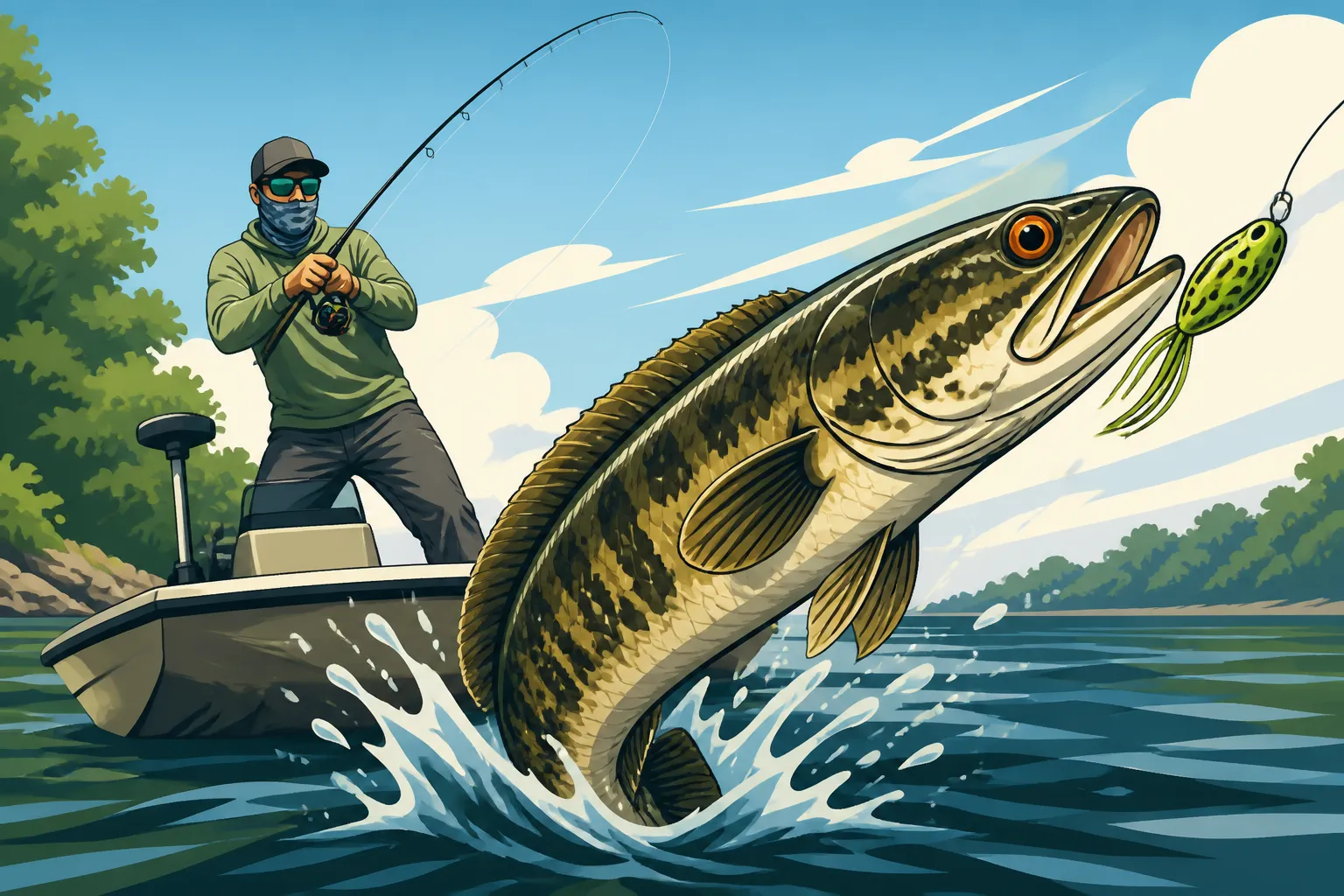
Snakehead fishing is almost exclusively a shallow-water game, and topwater action is king. Imagine casting a frog lure onto a dense mat of lily pads. The lure sits, looking like a real frog, then your guide instructs you to twitch it, walk it across the pads, making small gurgling noises. Suddenly, the water explodes beneath it in a violent strike! That's the essence of snakehead fishing.
Guides will employ a variety of techniques, often switching between different lures and presentations based on the cover, water conditions, and the fish's mood. You might be casting weedless frogs over thick vegetation one moment, then working a buzzbait through sparser grass on a creek bank the next. The key is to get the lure where the fish are hiding, and that often means right in the thick of it. This isn't finesse fishing; it's heavy-duty, cover-busting action. You can learn more about specific tactics in our post How to Catch Snakehead With Topwater Lures.
The Thrill of the Fight and What to Expect After the Catch
When a snakehead strikes, it's unlike almost any other freshwater fish. The initial strike is often incredibly violent and loud, causing your heart to leap into your throat. Once hooked, they pull hard, thrash aggressively, and will try to bury themselves back into the weeds. Landing one requires a strong rod, heavy line, and a steady hand. Many anglers describe the fight as relentless, combining the power of a largemouth bass with the aggressive head shakes of a northern pike.
After the catch, your guide will handle the fish safely. As mentioned, Maryland law prohibits releasing live snakeheads back into the water. Your guide will ensure the fish is dispatched humanely. Many anglers take their catch home for a delicious meal, as snakehead meat is firm, white, and flaky, often compared to snapper or cod. Don't be shy about asking your guide for tips on preparing your catch! For more information on why these fish are such a target, check out Why Snakehead Can't Be Released in Maryland.
Choosing the Right Guide and Trip Type
Finding the perfect guide for a snakehead trip on the Potomac is crucial to a successful and enjoyable experience. Not all guides are created equal, and not every guide specializes in this particular brand of fishing.
Factors to Consider When Selecting a Guide
When looking for a snakehead guide, experience in the Potomac's specific tidal waters is paramount. Look for guides who explicitly advertise snakehead trips and demonstrate deep knowledge of their habits, seasonal patterns, and preferred habitats. Here are a few key factors:
- Specialization: Does the guide focus primarily on snakehead, or is it just one species among many? A specialist will have the right gear, knowledge, and dedication.
- Boat and Equipment: Snakehead fishing often means getting into shallow, weedy areas. A guide with a boat designed for this – like a shallow-draft jon boat or a bass boat – is ideal. They should also provide heavy-duty rods, reels, and braided line suitable for muscling these fish out of cover.
- Reputation and Reviews: Check online reviews and testimonials. What do other anglers say about their experience? Were they successful? Did the guide provide a safe and enjoyable trip? Platforms like FishingBooker are excellent resources for comparing guides, reading genuine reviews, and seeing what other anglers have to say about their experiences targeting snakehead on the Potomac.
- Permits and Licensing: Ensure your guide is properly licensed and permitted to operate on the Potomac River. This is a non-negotiable for your safety and adherence to regulations.
- Communication: A good guide communicates clearly about what to bring, what to expect, and any local regulations.
Comparing Half-Day vs. Full-Day Trips
The choice between a half-day and full-day trip often comes down to budget, stamina, and how deeply you want to immerse yourself in the experience.
| Trip Type | Duration | Pros | Cons | Ideal For |
|---|---|---|---|---|
| Half-Day | Approx. 4-5 hours | More budget-friendly, less physically demanding, good for testing the waters. | Less time to explore different spots, might miss peak bite windows if they're longer. | Beginners, those with limited time, or those prone to fatigue. |
| Full-Day | Approx. 8-9 hours | Maximizes fishing time, allows exploration of diverse habitats, increases chances of multiple catches. | More expensive, requires greater stamina, can be a long day in hot weather. | Enthusiasts, experienced anglers, or those seeking a trophy. |
For a first-timer, a half-day trip can be a great introduction to the unique challenges of snakehead fishing without committing to a full day. However, if you're truly dedicated to maximizing your chances and experiencing the full range of techniques and locations, a full-day trip often yields better results and a more comprehensive adventure. When researching options, sites like FishingBooker can help you sort by trip duration and compare prices among different Potomac River guides.
Essential Gear, Baits, and Tactics for Potomac Snakehead
While your guide will provide the primary gear, understanding what works best for snakehead on the Potomac can enhance your experience and even help you refine your own techniques for future trips.
Specialized Tackle for Aggressive Strikes
Snakehead fishing demands robust tackle. These aren't delicate biters; they smash lures and fight dirty.
- Rods: Look for heavy-action or extra-heavy action baitcasting rods, typically 7 to 8 feet long. These rods need serious backbone to pull fish out of dense cover.
- Reels: High-quality baitcasting reels with a strong drag system and a fast gear ratio (7:1 or higher) are preferred. You need to pick up line quickly after a strike.
- Line: Braided line is non-negotiable. It has zero stretch, incredible strength, and can cut through weeds. Most guides will use 50-80 lb test braided line. Some might opt for a fluorocarbon leader, but often the braid is tied directly to the lure, especially with weedless presentations.
- Lures: Topwater lures are king.
- Frog Lures: Weedless hollow-body frogs are the quintessential snakehead bait. They can be worked directly over lily pads and hydrilla without snagging.
- Buzzbaits: For slightly sparser cover or open pockets, buzzbaits create a lot of surface commotion, attracting attention from a distance.
- Whopper Ploppers/Prop Baits: These lures also create a significant wake and are excellent for drawing strikes in more open water or along grass lines.
- Spinnerbaits/Swim Jigs: While less common for pure topwater action, weedless spinnerbaits or heavy swim jigs can be effective when fish are holding deeper in the cover or if the topwater bite is slow.
Remember, snakehead fishing is often about drawing a reaction strike, so lures that create noise, splash, and a visible profile on the surface are highly effective. For a deeper dive into techniques, you might appreciate our article Techniques for Catching Snakehead in Maryland.
Best Baits and Lure Presentations
Beyond the type of lure, how you present it makes all the difference. Snakeheads are ambush predators, so your presentation needs to trigger that instinct.
- Walk the Dog: For topwater frogs or prop baits in open pockets, a "walk the dog" retrieve (alternating slack-line jerks) makes the lure zig-zag enticingly.
- Pop and Pause: With poppers, a sharp "pop" followed by a pause can mimic a struggling baitfish.
- Steady Retrieve: Buzzbaits are usually retrieved steadily, just fast enough to keep the blade spinning and creating surface disturbance.
- Targeting Cover: The golden rule of snakehead fishing: if you're not in the weeds, you're not in the fish. Cast into the thickest cover you can find – lily pads, hydrilla mats, shoreline grasses. Snakeheads love to hide and ambush from these spots.
- Multiple Casts: Don't be afraid to make multiple casts to the same spot. A snakehead might need a few presentations to commit to a strike. They are territorial and will often attack something intruding on their space.
Your guide will be a master of these presentations and will coach you on how to best work your lure for maximum effectiveness.
The Importance of Stealth and Observation
While snakeheads are aggressive, they can also be wary. Stealth is key, especially in shallow, calm waters. Your guide will likely keep boat noise to a minimum and position the boat to allow for long, accurate casts without spooking the fish. Pay attention to subtle disturbances in the water – a ripple, a wake, or even a sudden splash can indicate a snakehead's presence. Sometimes, you'll hear them "gulp" air from the surface, especially in stagnant water. These visual cues are invaluable, and a good guide is constantly observing their surroundings, looking for any sign of these elusive predators.
Understanding Snakehead Regulations and Conservation Efforts
When fishing for Northern Snakehead in Maryland, it's not just about the thrill of the catch; it's also about understanding and adhering to the specific regulations put in place to manage this invasive species. Your guide will be well-versed in these rules, but it’s always good for you as an angler to be informed.
Maryland's "No Live Release" Rule
The single most important regulation for Northern Snakehead in Maryland is the "no live release" rule. If you catch a snakehead, you are legally required to humanely dispatch it immediately. It is illegal to possess a live snakehead or transport it alive. This rule is in place because snakeheads are highly invasive. They outcompete native species for food and habitat, disrupt ecosystems, and can survive out of water for extended periods, allowing them to potentially spread to new bodies of water. This is why conservation efforts focus on eradication, or at least control, rather than catch and release. Our post Is It Illegal to Release a Snakehead in Maryland? offers more context on this critical regulation.
Why Snakeheads are an Invasive Species
Originating from Asia, Northern Snakeheads were introduced into Maryland waters, likely through illegal releases from private aquariums or live food markets. Their rapid reproduction rate, voracious appetite, and ability to breathe air make them incredibly adaptable and resilient. They quickly establish populations, often at the expense of native fish like largemouth bass, crappie, and various panfish, by preying on their young and competing for food resources. Maryland, like other states where they've established a foothold, views them as a serious threat to aquatic biodiversity. This context helps explain why guided trips often emphasize their removal and why anglers are encouraged to keep their catch.
Contributing to Conservation Through Guided Fishing
Participating in a guided snakehead trip on the Potomac isn't just a fun fishing experience; it's also a direct contribution to conservation efforts. By actively targeting and removing these invasive fish, anglers help reduce their numbers and mitigate their impact on Maryland's native fish populations. Guides often report their catch data to the Maryland Department of Natural Resources, providing valuable information about snakehead distribution and population trends. So, when you're out there casting a frog lure into a lily pad field, remember that you're not just fishing; you're playing a role in protecting Maryland's precious aquatic resources. It's a unique opportunity to combine an exciting fishing adventure with ecological stewardship. You can often find guides dedicated to these efforts by searching on platforms like FishingBooker, which sometimes highlight guides with a strong conservation ethic regarding invasive species.
Planning Your Potomac River Snakehead Adventure
Getting ready for your trip involves a few practical considerations to ensure a smooth and successful outing. A little planning goes a long way, especially when you're heading out to chase such a unique and challenging species.
What to Bring on Your Trip
While your guide will provide the specialized fishing gear, there are several personal items you should definitely bring along:
- Sun Protection: The Potomac sun can be intense. Pack sunscreen, a wide-brimmed hat, and polarized sunglasses. Polarized lenses are particularly helpful for spotting fish or submerged cover.
- Appropriate Clothing: Dress in layers, as mornings can be cool and afternoons warm up quickly. Long-sleeved shirts and pants can also offer protection from the sun and insects.
- Rain Gear: Weather can change quickly in Maryland. A lightweight rain jacket and pants are always a good idea.
- Food and Drink: Pack plenty of water, non-alcoholic beverages, and snacks to stay hydrated and energized throughout your trip. Most guides will have cooler space.
- Camera: You'll want to capture the excitement of those topwater strikes and, of course, your impressive catch.
- Cooler (for your catch): If you plan to keep your snakehead for dinner, bring a personal cooler with ice to transport your fish home. Your guide will likely have a way to keep them cold on the boat, but you'll need your own for the ride back.
- Maryland Fishing License: While your guide might have a blanket license for some trips, it's always best to have your own valid Maryland fishing license, especially for individual guided trips. Confirm with your guide beforehand. Our Maryland Fishing License Guide for 2026 can help you get this sorted.
Best Time of Year for Snakehead Fishing
Snakehead fishing on the Potomac is generally most productive during the warmer months, roughly from late spring through early fall (May-October). This is when the water temperatures are high, and the fish are most active, feeding aggressively in the shallow, vegetated areas.
- Spring (May-June): As water temperatures rise into the 60s and 70s Fahrenheit, snakeheads become very active. This is often an excellent time for topwater action.
- Summer (July-August): Peak summer heat means peak snakehead activity. They'll be buried deep in the thickest cover during the hottest parts of the day, making early morning and late evening bites particularly strong.
- Fall (September-October): As temperatures begin to drop, snakeheads will continue to feed heavily, preparing for winter. The bite can remain strong until the water gets consistently cold.
Winter fishing for snakeheads is possible, but they become much less active, retreating to deeper holes, and the topwater bite nearly vanishes. Focus your guided trip planning on those warmer months for the most exciting and productive experience.
Booking Your Trip and Final Tips
Once you've researched guides and decided on your trip type, it's time to book. Reputable guides often have busy schedules, especially during peak snakehead season, so booking well in advance is highly recommended. Many guides utilize online booking platforms like FishingBooker, which can streamline the process and allow you to secure your preferred dates easily.
- Communicate Clearly: Ask any remaining questions you have before the trip. Confirm meeting times, locations, and what you need to bring.
- Listen to Your Guide: They are the experts on these waters and these fish. Pay attention to their instructions on casting, retrieve, and safety.
- Be Patient: Snakehead fishing can be a grind sometimes, with long stretches between strikes. Stay focused and keep making those accurate casts. The reward is well worth the effort.
- Have Fun! Beyond the challenge and the conservation aspect, snakehead fishing is an incredibly unique and exciting way to experience the Potomac River. Embrace the adventure and enjoy every moment.
Your guided snakehead fishing trip on the Potomac promises to be an unforgettable experience, offering not just the chance to catch a powerful, exotic fish, but also to contribute to the health of Maryland's waterways. Tight lines!
Disclaimer
This article is for general informational purposes only and does not constitute professional advice. Laws, prices and regulations vary by location and change over time. Consult a qualified professional for guidance on your specific situation.