What Is a Menhaden and Why Does It Matter to Maryland Fishing?
Have you ever been out on the Chesapeake Bay, watching a big school of fish ripple the surface, and wondered what exactly they were? Or perhaps you've heard seasoned anglers talk about "bunker" or "pogies" as if they were gold? Chances are, they were talking about menhaden. These humble, often overlooked fish are absolutely vital to the health of Maryland's waters and the success of our fishing, yet many of us don't truly understand their significance. This guide is going to pull back the curtain on menhaden, explaining what they are, why they're so crucial to our beloved Bay, and how they can even become your secret weapon for landing some incredible fish.
Understanding Menhaden: The Unsung Heroes of Maryland's Waters
When you think of important fish in Maryland, your mind probably jumps straight to rockfish, bluefish, or perhaps a feisty largemouth bass. But beneath the surface, performing a tirelessly essential job, are the menhaden. These schooling fish are the unsung heroes, fueling the entire ecosystem and often dictating the abundance of the very gamefish we love to pursue. They might not be the most glamorous catch, but their role is paramount.
What Exactly Is a Menhaden?
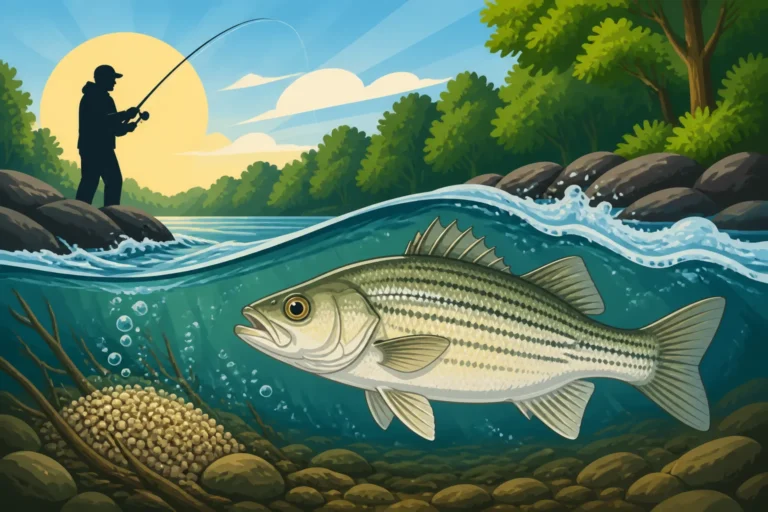
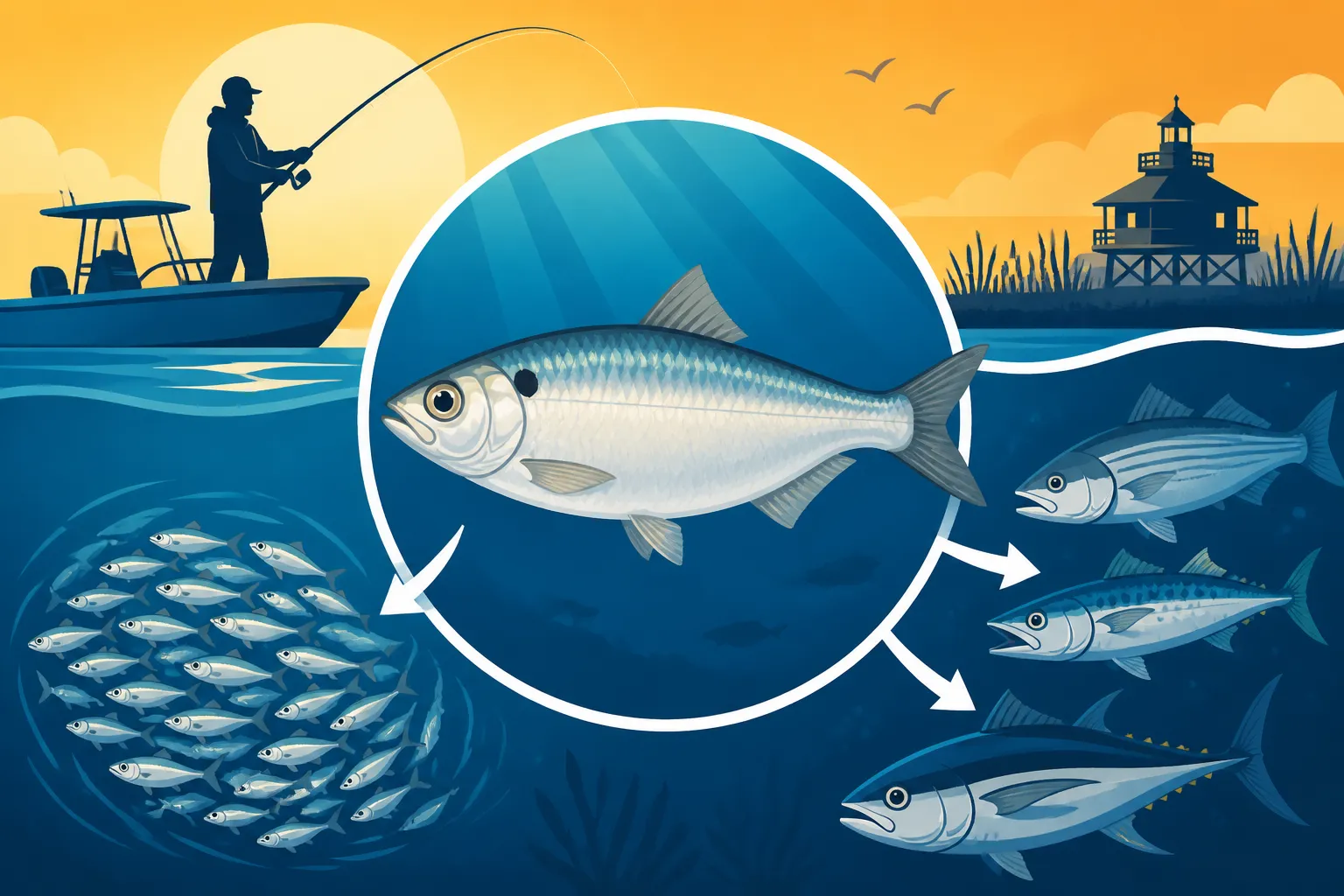
So, let's get down to basics. What does a menhaden look like, and what makes it tick? Atlantic menhaden, Brevoortia tyrannus, are a type of herring, though they have a very distinct appearance. They're typically silver-sided, with a somewhat deep, compressed body and a noticeable dark spot behind their gill plate, often followed by a series of smaller spots. They have large mouths, but here's the kicker: they're filter feeders. Unlike most fish that actively chase and bite prey, menhaden swim with their mouths open, straining microscopic plankton from the water through specialized gill rakers. This unique feeding strategy is what makes them so ecologically important, acting like tiny living vacuum cleaners for the Bay.
They tend to travel in massive, dense schools, often near the surface, which is why you might see them "flipping" or "showering" as they move or react to predators. These schools can number in the tens of thousands, sometimes even millions, creating a spectacle that's hard to miss if you're out on the water. Their sheer abundance and schooling behavior make them a readily available food source for a host of other creatures, cementing their status at the bottom of the food chain.
Different Names and Local Lingo
Like many common fish, menhaden go by a few different names, especially among anglers and watermen. The most common alternative names you'll hear in Maryland and along the Atlantic coast are "bunker" or "mossbunker." Sometimes, they're also referred to as "pogies." It can be a little confusing when you're first getting into fishing, hearing various terms for what turns out to be the same fish. Understanding these local terms can help you communicate better with bait shops, fellow anglers, and even when looking up regulations or fishing reports.
For example, if you're at a bait shop near Annapolis asking for menhaden, and they look at you blankly, simply asking for "bunker" will likely get you what you need. Or if a fishing buddy tells you they're "chumming with bunker," you'll immediately know they're using ground menhaden to attract fish. These colloquialisms are part of the rich tapestry of fishing culture, and knowing them is like being in on a secret handshake.
Where Menhaden Are Found in Maryland
Menhaden are incredibly widespread throughout Maryland's waters, especially in the brackish and saltwater environments they prefer. You'll find them in abundance throughout the entire Chesapeake Bay, from the Upper Bay near the Susquehanna Flats all the way down to the Lower Bay near Point Lookout. They also inhabit many of the Bay's tidal tributaries, moving up and down with the seasons and tides. Beyond the Bay, menhaden are common in Maryland's coastal waters off Ocean City, often schooling in the ocean surf zone and the back bays.
Their presence is often seasonal, typically arriving in Maryland waters in spring as water temperatures rise and remaining through the fall. During the colder winter months, they tend to migrate offshore to warmer Atlantic waters. Their arrival in spring is a significant event for many predators, signaling an influx of food. Understanding their seasonal movements and preferred habitats can give you a real edge when planning your fishing trips, as where the menhaden are, the gamefish are sure to follow. They prefer shallower, nutrient-rich waters where plankton is abundant, which is why the vast, productive waters of the Chesapeake Bay are such an ideal habitat for them.
The Crucial Role of Menhaden in the Ecosystem
It's hard to overstate just how important menhaden are to the health and vitality of the Chesapeake Bay and the broader Atlantic coastal ecosystem. They are a foundational species, a critical link in the food web that supports nearly every other creature in the water. Without healthy menhaden populations, the entire ecosystem would suffer dramatically, impacting everything from commercial fisheries to recreational angling and even birdwatching.
The Bay's Primary Forage Fish
Imagine a pyramid where menhaden form a massive base. That's essentially their role in the Bay. They are, quite simply, the most important forage fish in the Chesapeake Bay and along the Atlantic coast. Nearly every predator that lives in or migrates through these waters relies on menhaden as a primary food source. When these dense schools are present, predators thrive. When menhaden are scarce, those predators struggle.
Think about the iconic Striped Bass: Maryland's State Fish. These powerful fish absolutely gorge themselves on menhaden, especially during their migratory runs and when they're bulking up for winter. Other popular gamefish like bluefish, red drum, and even some species of sharks depend heavily on them. But it's not just fish; marine mammals like dolphins and whales, and numerous bird species, particularly ospreys and various diving seabirds, also rely on menhaden for sustenance. A healthy menhaden population means healthy populations of all these other species that Maryland anglers love to see and catch.
Filter Feeders and Water Quality
Beyond their role as a food source, menhaden provide an invaluable service to the Bay itself: they clean the water. Remember how they're filter feeders, straining plankton from the water? This isn't just about them eating; it's about what they remove. They consume vast quantities of phytoplankton and zooplankton, including algae. In a body of water like the Chesapeake Bay, which can be prone to nutrient pollution and algal blooms, the menhaden act as natural water purifiers.
Their filtering activity helps to reduce excessive algal growth, which in turn can improve water clarity and increase oxygen levels. Algal blooms can deplete oxygen when they die and decompose, creating "dead zones" where fish and other aquatic life cannot survive. By keeping these blooms in check, menhaden contribute directly to a healthier, more vibrant aquatic environment for all. Their presence is a strong indicator of a functioning ecosystem, demonstrating that nature often has its own solutions to environmental challenges.
Impact on Commercial and Recreational Fisheries
The health of the menhaden population directly correlates to the health of many of Maryland's most important fisheries. Take striped bass, for instance. When menhaden are abundant, striped bass have plenty of food, allowing them to grow larger and reproduce more successfully. Conversely, a decline in menhaden numbers can lead to a scarcity of food for striped bass, potentially impacting their growth rates, overall health, and even migratory patterns. This can manifest as skinnier fish or reduced catch rates for anglers.
For recreational anglers, this means that if you're targeting Striped Bass: Maryland's State Fish or even Maryland Bluefish Daily Limit, understanding the menhaden population is key. If there's plenty of "bunker" around, it's a good bet the gamefish won't be far. Commercial fishermen also rely on a healthy ecosystem to sustain their livelihoods, and menhaden are a cornerstone of that system. Therefore, managing menhaden populations sustainably is not just an ecological concern, but an economic one for many communities along the Bay and coast.
| Role in Ecosystem | Description | Direct Impact on Anglers |
|---|---|---|
| Forage Fish | Primary food source for most predatory fish, birds, and marine mammals. | Healthy populations of gamefish (rockfish, bluefish, etc.) and better fishing success. |
| Filter Feeder | Consumes plankton and algae, helping to improve water quality. | Clearer water, healthier fish, and reduced dead zones, improving overall fishing grounds. |
| Bait Source | Excellent live or cut bait for targeting large gamefish. | Effective tool for catching trophy fish, especially striped bass and catfish. |
Menhaden as Bait: Your Secret Weapon for Maryland Fishing
Beyond their ecological importance, menhaden are arguably one of the best baits an angler can use in Maryland, especially for larger, more discerning predatory fish. Their oily, pungent flesh is irresistible to many species, and their schooling nature makes them a prime target for opportunistic feeders. If you haven't considered using menhaden as bait, you're missing out on a serious advantage.
Using Live Menhaden for Trophy Fish
There's something incredibly effective about presenting a live, struggling baitfish to a hungry predator. For trophy striped bass, especially, live-lining menhaden is a technique that consistently produces results. The key is to keep the menhaden alive and lively, hooking them lightly through the nose or back, allowing them to swim naturally. Big rockfish often can't resist a vulnerable menhaden swimming near structure, channel edges, or around schools of other baitfish. Many anglers swear by this method during the spring and fall runs when the biggest striped bass are actively feeding. You'll often find these larger fish lurking beneath the schools of menhaden, waiting for an easy meal.
Acquiring live menhaden can be done in a few ways. Some bait shops carry them, but often anglers will catch their own using a cast net. Having a good quality cast net is essential for this. If you're looking to gear up, you can find a variety of sizes and mesh types suitable for catching menhaden on Amazon. Just make sure you check local regulations on bait collection! Once caught, keeping them alive requires a well-aerated livewell or a large bait pen. The effort is worth it when that rod bends over with a powerful strike.
Cut Bait and Chumming Techniques
If live bait isn't an option, or if you're targeting species that prefer a stationary, smelly meal, cut menhaden is equally effective. Cutting a menhaden into chunks releases its potent oils and scent into the water, acting like a beacon for fish. This is particularly deadly for bottom dwellers like the Maryland Blue Catfish, an Invasive Giant, which are known to key in on strong scents. Simply cut the menhaden into two or three pieces, making sure to include a piece of the gut, and fish it on a bottom rig. Many anglers also find success using cut menhaden for larger striped bass, especially when anchored over oyster reefs or channel drop-offs.
Chumming with ground menhaden is another highly effective strategy, creating a scent trail that can draw fish from a considerable distance. This technique is extensively covered in our guide on Chumming and Chunking for Maryland's Chesapeake Bay Striped Bass. By slowly dispersing finely ground menhaden into the water, you create a consistent attractant that can turn a slow day into a memorable one. You can buy pre-ground chum blocks, or you can grind your own fresh menhaden. For those who want to prepare their own chum, a sturdy chum grinder can be a great investment, and you can often find suitable options, along with durable chum buckets, on Amazon to add to your fishing arsenal.
The Best Time to Use Menhaden Bait
The effectiveness of menhaden as bait really shines during specific times of the year, particularly when predatory fish are most active and when menhaden are abundant. Generally, the warmer months from spring through fall are prime time. This coincides with the major migrations and feeding frenzies of species like striped bass and bluefish in the Chesapeake Bay.
- Spring: As menhaden move into the Bay, larger striped bass are often hot on their heels during the spring trophy season. Live-lining or chunking fresh menhaden around major channel edges and points can be incredibly productive.
- Summer: While fishing can sometimes slow down in the heat, menhaden are still a go-to. Night fishing with cut bait for Maryland Blue Catfish, an Invasive Giant in the tidal rivers can be excellent. Drifting live menhaden can also entice summer rockfish that might be holding in deeper, cooler waters.
- Fall: This is arguably the peak time for using menhaden bait. As fish fatten up for winter, they actively chase large schools of menhaden. Both live-lining and chumming are incredibly effective during the spirited fall Maryland Striped Bass Fishing Techniques.
Always consider the tides when using menhaden as bait, especially when chumming, as discussed in How Tides Affect Fishing in Maryland's Chesapeake Bay. A moving tide will carry your scent trail further, making it more effective. The goal is to present a natural, irresistible offering right where the fish are looking for their next meal.
Conservation and the Future of Menhaden in Maryland
Given their foundational role in the ecosystem, it's clear that the health of menhaden populations is not just a scientific curiosity; it's vital for the future of fishing in Maryland. Over the years, concerns have been raised about the sustainability of menhaden harvesting, particularly due to their use in commercial reduction fisheries (where they are processed into fish meal and oil). This has led to significant efforts to manage this species responsibly, recognizing that too much pressure on the menhaden population can have cascading effects throughout the entire marine food web.
Management Efforts and Regulations
The management of Atlantic menhaden falls under the purview of the Atlantic States Marine Fisheries Commission (ASMFC), an interstate compact that coordinates fishery management from Maine to Florida. They work to set harvest limits and implement conservation measures to ensure the long-term health of the stock. These decisions are complex, balancing the needs of the ecosystem with the interests of commercial and recreational fishing. Maryland, like other states, adheres to these regional management plans.
These regulations are put in place because menhaden are a "shared" resource, moving across state lines. Effective management requires cooperation and a holistic view of the entire Atlantic stock. The goal is to maintain a healthy menhaden population that can continue to fulfill its ecological role as a forage fish and filter feeder, while also supporting sustainable harvest. Understanding that these decisions are made to protect species like the Striped Bass: Maryland's State Fish should motivate all anglers to support sustainable fishing practices.
Why Their Health Matters to Every Angler
When you hook into a healthy striped bass, or watch ospreys dive for fish over the Chesapeake, you're witnessing the direct benefits of a robust menhaden population. These moments, these experiences, are what make Maryland Fishing so special. If menhaden stocks were to decline significantly, we would see tangible impacts:
- Fewer Gamefish: With less food, populations of target species would likely shrink, and individual fish might be less healthy.
- Less Productive Fishing: Anglers would simply have fewer fish to catch, making fishing trips less rewarding.
- Environmental Degradation: Reduced filter-feeding could contribute to poorer water quality, exacerbating issues like algal blooms and dead zones in the Bay.
Ultimately, the health of the menhaden population acts as a barometer for the overall health of the entire Chesapeake Bay ecosystem. They are a bellwether, and their well-being directly reflects the vitality of the waters we love to fish. Any angler serious about the long-term future of their favorite pastime should pay attention to how this crucial species is faring. For more insights into the broader ecosystem, you might find valuable educational resources, perhaps even documentaries or books about the Chesapeake Bay's delicate balance, on Amazon.
What Anglers Can Do to Help
As individual anglers, while we might not directly set policy, we play a crucial role in supporting menhaden conservation through our actions and awareness. Here’s what you can do:
- Stay Informed: Keep up-to-date on news and scientific reports regarding menhaden populations and management decisions. Knowledge is power, and an informed angler is a better steward of our resources.
- Practice Responsible Bait Collection: If you're cast-netting menhaden for bait, take only what you need and handle them with care. Avoid wasteful practices.
- Support Sustainable Practices: Advocate for and support fisheries management decisions that prioritize the long-term health of the menhaden stock and the broader ecosystem. This means understanding the science and sometimes supporting regulations that might feel restrictive in the short term but ensure plenty of fishing for generations to come.
- Consider Conservation Organizations: Many organizations are dedicated to the health of the Chesapeake Bay and its inhabitants. Supporting them financially or through volunteer work can make a real difference.
By understanding what a menhaden is and why it truly matters to Maryland fishing, we can all become better advocates for the health of our waters and ensure that the Chesapeake Bay continues to be a world-class fishing destination for years to come.
Disclaimer
This article is for general informational purposes only and does not constitute professional advice. Laws, prices and regulations vary by location and change over time. Consult a qualified professional for guidance on your specific situation.