Crappie Fishing in Maryland Reservoirs
Black and white crappie identification methods help anglers locate fish populations within freshwater Maryland reservoirs.
Know what’s on the line.
Gamefish and panfish profiles — identification, behavior, feeding habits, and species-specific strategies for every catch.
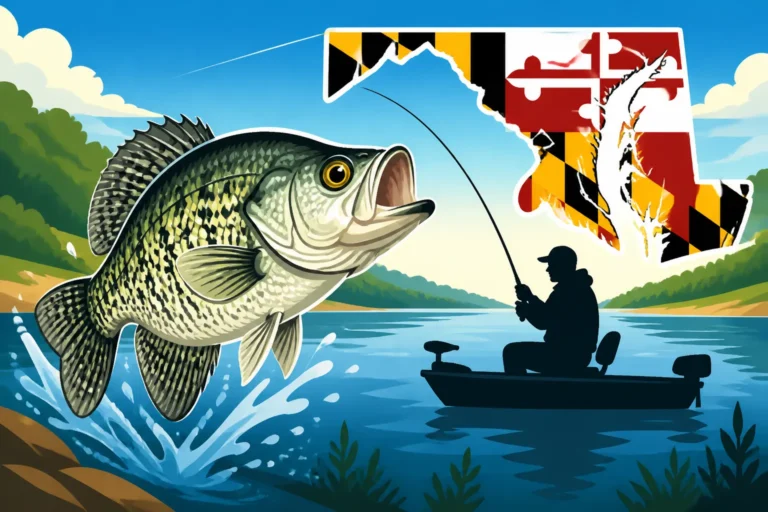
Black and white crappie identification methods help anglers locate fish populations within freshwater Maryland reservoirs.
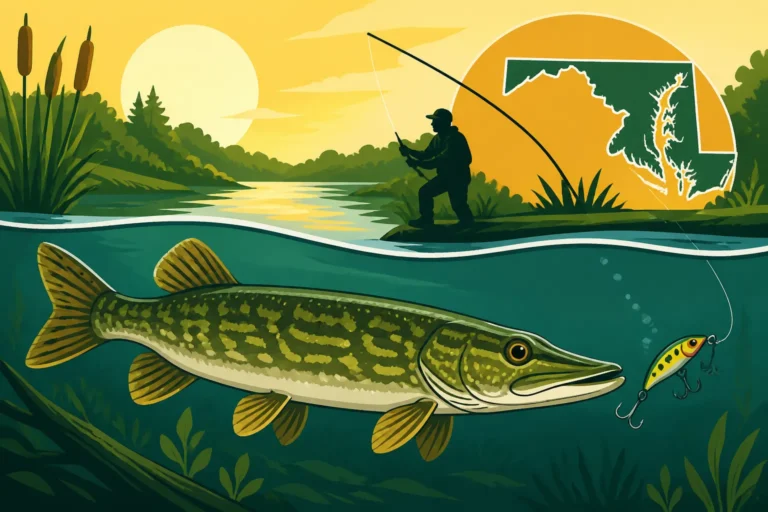
Chain pickerel in Maryland feature sharp teeth, chain patterns, and sizes reaching twelve to twenty inches in local freshwater ponds.
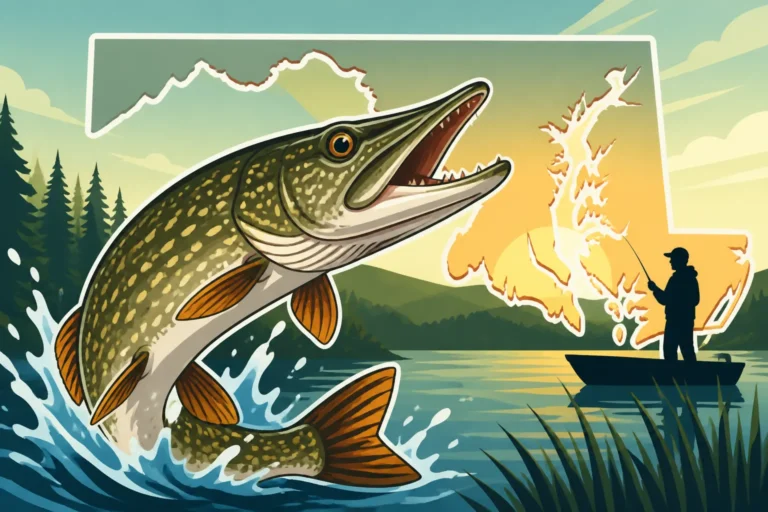
Northern pike identification, habitat locations, and fishing tactics for western Maryland waters help anglers successfully target these predators.
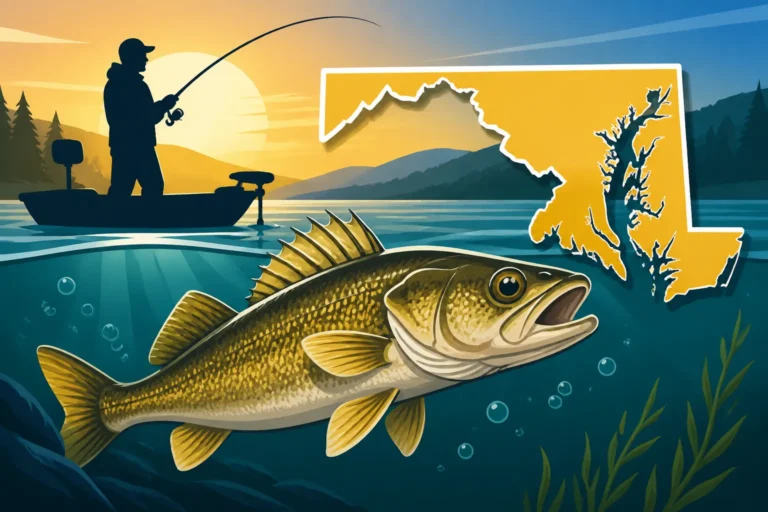
Walleye habits and seasonal shifts in Deep Creek Lake help anglers find these light sensitive game fish in Maryland.
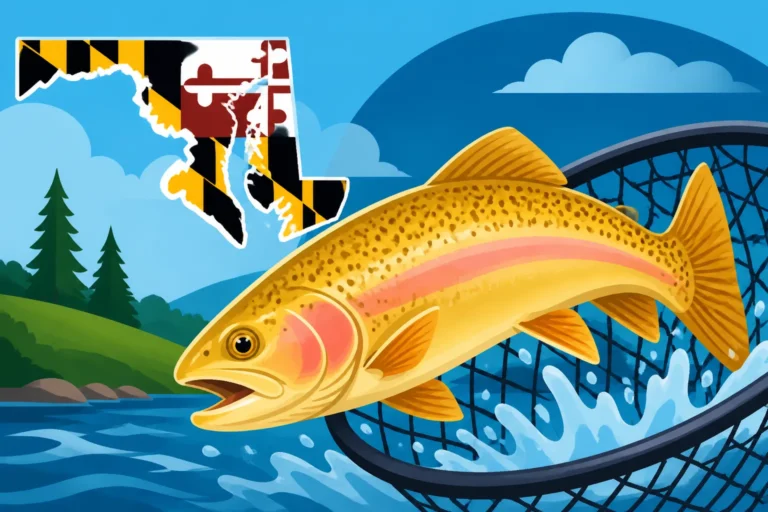
Golden rainbow trout stocked in Maryland waterways measure ten to sixteen inches long, featuring a vibrant yellow-gold color variant.
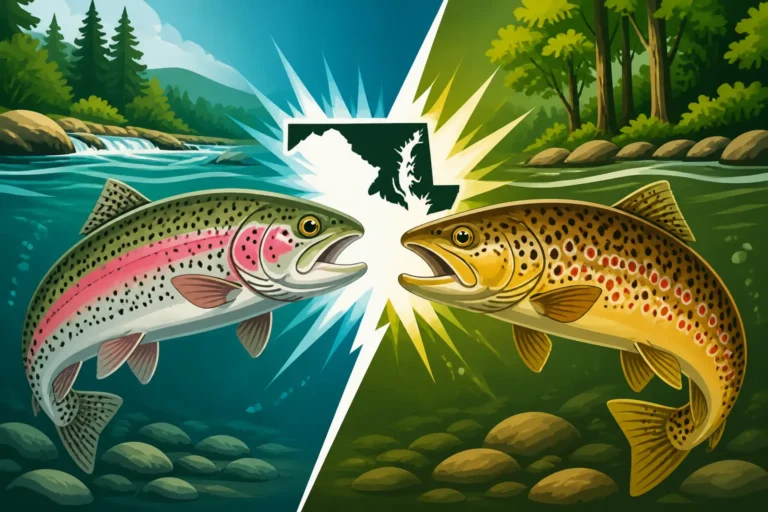
Rainbow and brown trout identification in Maryland streams helps anglers recognize appearance, habitats, and behavior differences.
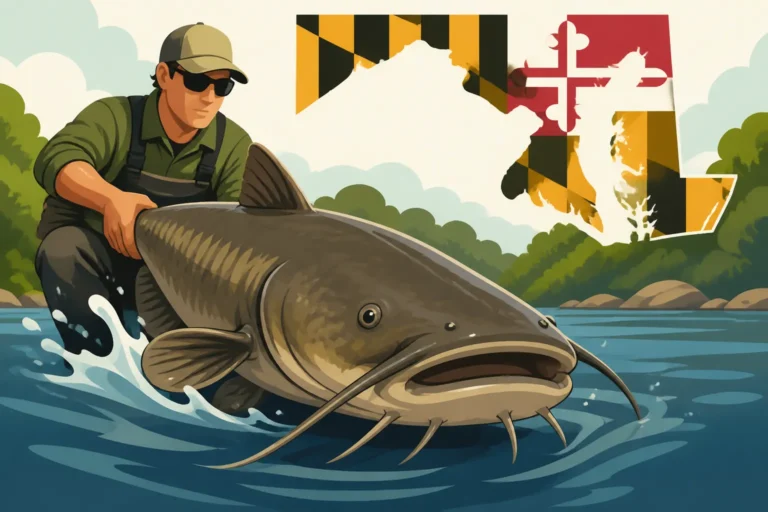
Flathead catfish identification traits, physical features, and differences from blue and channel catfish in Maryland rivers.
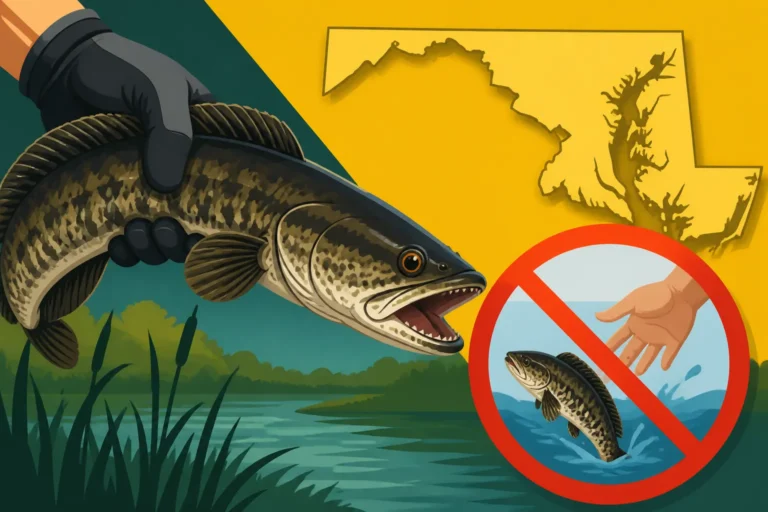
Northern snakehead regulations in Maryland explain why anglers cannot release this invasive apex predator back into local waterways.
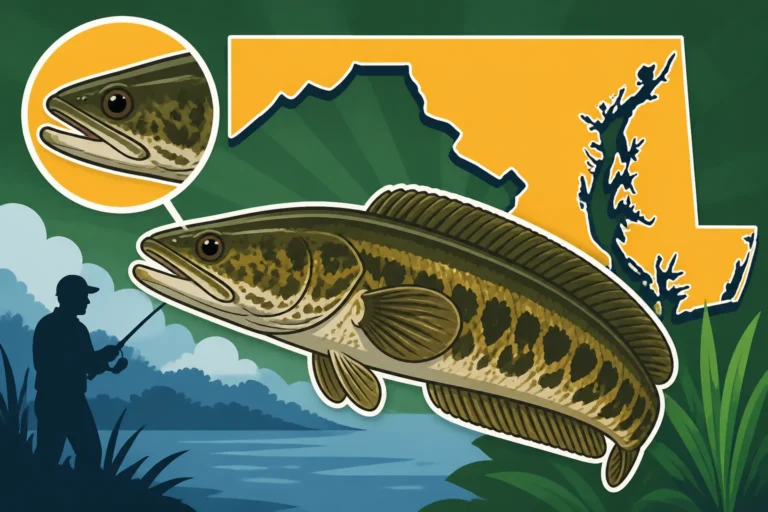
Northern snakeheads feature a long, cylindrical body and mottled brown patterns to distinguish them from native Maryland fish.
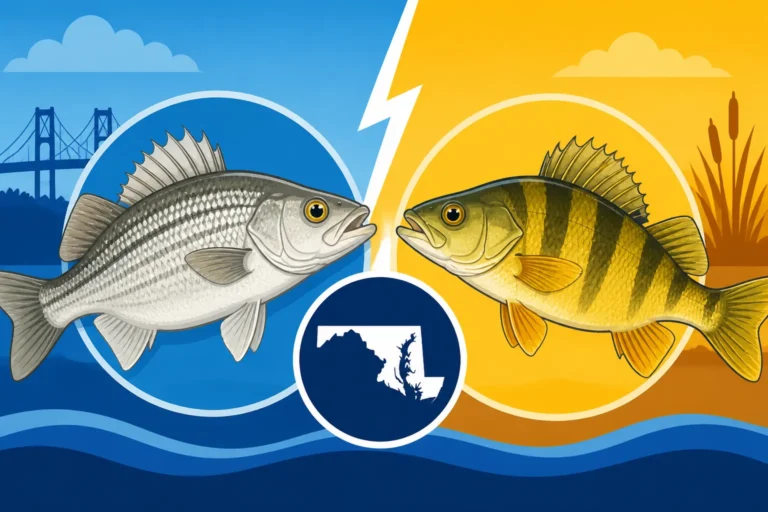
White and yellow perch in Maryland share overlapping habitats and sizes, but distinct markings help anglers identify each species.