Fishing the Winter Catch and Release Striped Bass Season
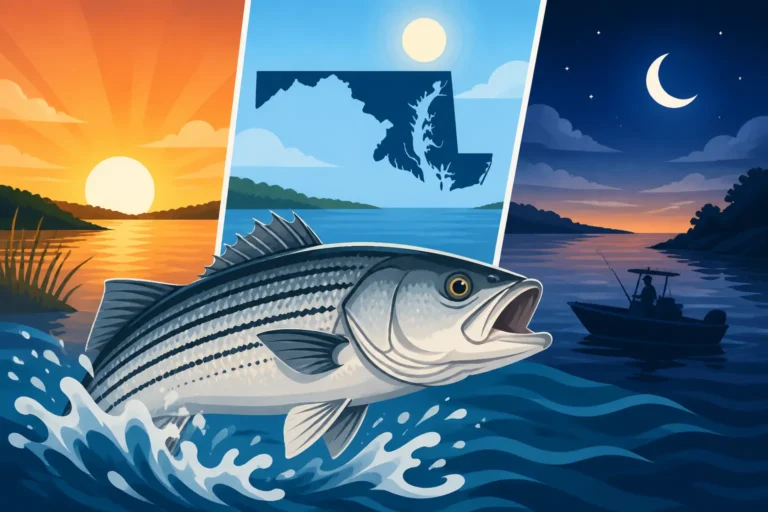
For many of us who live and breathe Maryland fishing, the closure of the keeper season for striped bass can feel like a real letdown. You've been honing your skills all year, looking forward to those epic bites, and then suddenly, the freezer is empty, and the "for fun" signs go up. But don't despair! Maryland's winter catch and release striped bass season offers an incredible opportunity to still get out on the water, test your mettle against these magnificent fish, and keep your angling skills sharp during the colder months. This guide will walk you through everything you need to know to make the most of this unique fishing experience.
Understanding Maryland's Winter Catch and Release Season
It's easy to just see "catch and release" and think it's a consolation prize, but this season is actually a vital part of conservation and offers a truly special challenge for anglers. The rules are strict, but the rewards—in terms of experience and helping the fishery—are immense.
The "Why" Behind Winter Catch and Release
The winter catch and release season isn't just a random restriction; it's a critical component of the overall management strategy for our beloved striped bass, often called rockfish here in Maryland. The primary goal is to protect the spawning stock. During the colder months, striped bass tend to congregate in deeper, warmer waters throughout the Chesapeake Bay and its larger tributaries. This makes them more vulnerable to being targeted, and allowing unlimited harvest during these times could severely impact their numbers and reproductive success in the spring.
By enforcing a strict catch and release policy, the Maryland Department of Natural Resources aims to give these fish a much-needed break from harvest pressure while still allowing anglers to enjoy the sport. It's a balance, trying to provide recreational opportunities without jeopardizing the long-term health of the species. Think of it as a respectful engagement with nature, where the thrill comes from the battle and the release, rather than the dinner table. This period allows fish to conserve energy, grow, and contribute to future generations, which is something every true angler can get behind.
Key Regulations and Dates for This Season
Navigating fishing regulations can sometimes feel like solving a puzzle, but for the winter catch and release season, the rules are fairly straightforward: it's all about strictly catch and release. This means any striped bass you catch, regardless of its size, must be immediately returned to the water. There is absolutely no possession allowed during this period. The season typically spans from late fall or early winter through the early spring, but the exact dates can vary from year to year based on management decisions. You'll always want to check the latest guidance from the Maryland Department of Natural Resources, which often provides an in-depth Maryland DNR Fishing and Boating Guide.
Beyond the "no possession" rule, there are often specific gear requirements designed to maximize fish survival. Most notably, barbless hooks are usually mandatory. Barbless hooks minimize tissue damage and make it much easier to quickly remove the hook, reducing stress on the fish. Many anglers also opt for artificial lures exclusively, as they tend to result in less deeply hooked fish compared to natural baits. Understanding and adhering to these rules is paramount not just for avoiding Maryland Fishing License Penalties for Violations, but more importantly, for doing your part to ensure a healthy future for the striped bass fishery. Every angler has a responsibility to practice ethical fishing, especially during a catch and release season.
Where Striped Bass Go in Winter
When the water temperatures drop, striped bass don't just disappear; they move to specific areas in search of more comfortable conditions and available food. Generally, they'll seek out deeper waters where temperatures are more stable and slightly warmer, often referred to as thermal refuges. This means you'll typically find them congregated in the mainstem of the Chesapeake Bay, particularly in deeper channels, holes, and around prominent underwater structure. Larger tidal rivers like the Patapsco, Potomac, and Susquehanna also hold wintering striped bass, especially in their deeper sections near river bends or dredged channels.
Areas around major bridge pilings, like those of the Chesapeake Bay Bridge, can also be productive, as these structures provide both current breaks and deeper water access. The key is to think about where baitfish, like bunker or herring, might also be seeking refuge from the cold. Where the bait is, the stripers usually aren't far behind. Understanding How Cold Water Affects Striped Bass Behavior in the Bay is crucial, as they become much less active, their metabolism slows down, and they're less likely to chase a fast-moving lure. Instead, they often hold tight to structure, conserving energy, waiting for an easy meal to pass by.
Essential Gear for Cold Weather Striped Bass Fishing
Winter fishing isn't just about different techniques; it often requires a different approach to your gear. The cold can be unforgiving, both for you and your equipment. Having the right tools for the job can make the difference between a frustrating day and a successful outing.
Rods, Reels, and Line for Winter Conditions
For winter striped bass fishing, you want a setup that offers both strength and sensitivity. A medium-heavy to heavy-action spinning or baitcasting rod, typically in the 7 to 7.5-foot range, is ideal. This length provides good casting distance for shore anglers and ample leverage for boat anglers when fighting larger fish in deep water. The backbone of a medium-heavy rod is essential for setting hooks firmly and controlling a powerful striper, even one whose fight might be subdued by the cold. Sensitivity in the rod tip is also crucial for detecting the often subtle bites of cold-water fish.
Pair your rod with a reliable spinning reel in the 4000 to 6000 series or a similarly sized baitcasting reel. Look for reels with smooth drags that can handle sudden runs, especially if you hook into one of those larger winter residents. For line, braided line is almost a must-have. Its lack of stretch provides superior sensitivity, allowing you to feel even the lightest taps on your lure, which is vital when fish are lethargic. A good 20 to 40-pound test braided line is a solid choice. Always remember to add a fluorocarbon leader, typically 30 to 50-pound test, to your braid. Fluorocarbon is less visible in clear winter waters and offers excellent abrasion resistance, which is important when fishing around structure. You can find a fantastic selection of these specific items on platforms like Amazon, ensuring you get quality gear for the conditions.
Lures and Baits That Work Best
When water temperatures drop, striped bass become less inclined to chase fast-moving prey. Your lure selection and presentation need to reflect this slower metabolism. Soft plastics are king during the winter season. Paddle tail swimbaits, jerk shads, and even grub tails ranging from 4 to 7 inches are highly effective. Colors like white, chartreuse, pink, and pearl are popular choices. On darker, overcast days, sometimes darker colors like black or dark blue can surprisingly trigger bites, mimicking silhouetted baitfish.
Metal jigs, such as heavy spoons or vertical jigs, also have their place, especially when you're targeting fish holding very deep. These can be dropped directly into schools of fish located with your electronics. Blade baits are another excellent option, offering a subtle vibration and flash that can entice a bite without requiring aggressive retrieve. The key with all these lures is a slow, methodical presentation. Often, a subtle jigging motion or a slow, steady retrieve with pauses is far more effective than trying to burn a lure past them. You are trying to tempt a fish that isn't actively hunting, but rather opportunistically feeding. Remember, the goal is to make it as easy as possible for a striper to decide your lure is worth the energy. Many anglers rely on Amazon to stock up on their winter jigging and soft plastic arsenal.
Cold Weather Apparel and Safety
Fishing in the winter can be brutal if you're not prepared. The right apparel is not just about comfort; it's about safety. Layering is your best friend. Start with a moisture-wicking base layer against your skin to keep sweat away. Add insulating mid-layers, like fleece or down, to trap warmth. Finally, a waterproof and windproof outer shell is absolutely essential to protect you from the elements. A good quality fishing bib and jacket combination is worth its weight in gold.
Don't forget your extremities! A warm hat that covers your ears is critical, as a significant amount of body heat is lost through the head. Insulated, waterproof gloves are a must, though many anglers find convertible gloves (fingerless with a mitten flap) useful for tying knots. Warm, wool or synthetic thermal socks inside waterproof boots will keep your feet from freezing. Beyond clothing, safety is paramount. Always wear a U.S. Coast Guard-approved Personal Flotation Device (PFD), even if you're on a boat. Cold water shock and hypothermia are serious threats. Make sure someone knows where you're fishing and when you expect to return. Have a fully charged cell phone, a first-aid kit, and an emergency blanket on board. Prepare for the worst, and hope for the best. For more specific gear recommendations, you might find valuable insights in a guide like Best Gear for Winter Striped Bass Fishing in Maryland.
Techniques for Successfully Catching and Releasing Winter Stripers
Catching winter stripers requires a nuanced approach, often starkly different from the aggressive tactics used during warmer months. It's less about speed and more about precision and patience.
Locating Winter Striped Bass
Finding the fish is half the battle, and in winter, it's often more about relying on technology and understanding fish behavior. Your fish finder or sonar unit becomes your most valuable tool. Look for schools of baitfish, often tightly packed, and the tell-tale arches of striped bass holding either directly beneath or slightly off to the side of the bait. Focus your search along deeper channel edges, submerged humps, rock piles, and other prominent underwater structures. These are the natural congregation points for both bait and predators when water temperatures plunge.
Remember, winter stripers are lethargic; they're not going to be busting on the surface or chasing bait for long distances. They'll be hunkered down, conserving energy. If you find one, chances are there are many more nearby. Mark the spot on your GPS and pay close attention to the depth where you're seeing the activity. Sometimes the fish will be right on the bottom, other times suspended a few feet off. Boat control is crucial here—you want to be able to stay on top of the school or drift through it repeatedly without spooking the fish. Anglers often refer to areas like the main shipping channels of the Chesapeake Bay or deeper holes in the Patuxent and Potomac rivers as prime locations for winter gatherings, as detailed in guides like Best Places to Fish in Maryland.
Vertical Jigging and Slow Retrievals
Once you've located a school of winter stripers, the presentation becomes critical. Vertical jigging is often the most effective technique. This involves dropping your lure directly down to the depth where you're seeing fish on your sonar. Once it reaches the desired depth, engage your reel and use a subtle, rhythmic jigging motion. This isn't about wild, aggressive jerks. Think gentle lifts of the rod tip—maybe 1 to 2 feet—followed by a controlled slack-line fall. The bite often occurs on the fall, so pay close attention to any sudden stop or unnatural movement of your line.
Slow retrieves are also essential. If you're casting soft plastics, let them sink to the bottom or the fish's depth, then retrieve with a slow, steady crank, perhaps adding a twitch or two. The goal is to mimic a struggling, easy-to-catch baitfish. Because their metabolism is slowed, striped bass are less likely to expend much energy on a chase, so making your lure an irresistible, slow-moving target is key. It's a game of patience and finesse, where a slight adjustment in retrieve speed or jigging cadence can make all the difference. For more insights on this specific technique, you can delve into Jigging Techniques for Maryland's Chesapeake Bay Striped Bass.
Crucial Catch and Release Best Practices
Since this entire season is predicated on catch and release, your handling of the fish is paramount to its survival. The goal is to return the fish to the water in the best possible condition, ready to spawn and fight another day.
Here are some best practices:
- Minimize Fight Time: While it's tempting to enjoy the battle, try to bring the fish to the boat or shore as quickly and efficiently as possible without horsing it in. Prolonged fights exhaust the fish, especially in cold water.
- Keep the Fish Wet: This is the golden rule. Avoid removing the fish from the water entirely if possible. Use a de-hooking tool or needle-nose pliers to remove the hook while the fish is still submerged or just at the surface.
- Use Barbless Hooks: As mentioned, these are often required for a reason. They come out easily, reducing damage. If you're not using barbless hooks, crimp down the barbs on your lures.
- Proper Handling: If you must lift the fish, support its full body weight horizontally, especially if it's a larger fish. Avoid hanging fish vertically by the jaw or gill plates, as this can cause internal damage. A good pair of lip-grips can be invaluable, allowing you to control the fish without touching its body too much.
- Avoid the Gills and Eyes: Never put your fingers into the gills or squeeze the eye sockets. These are vital and sensitive areas.
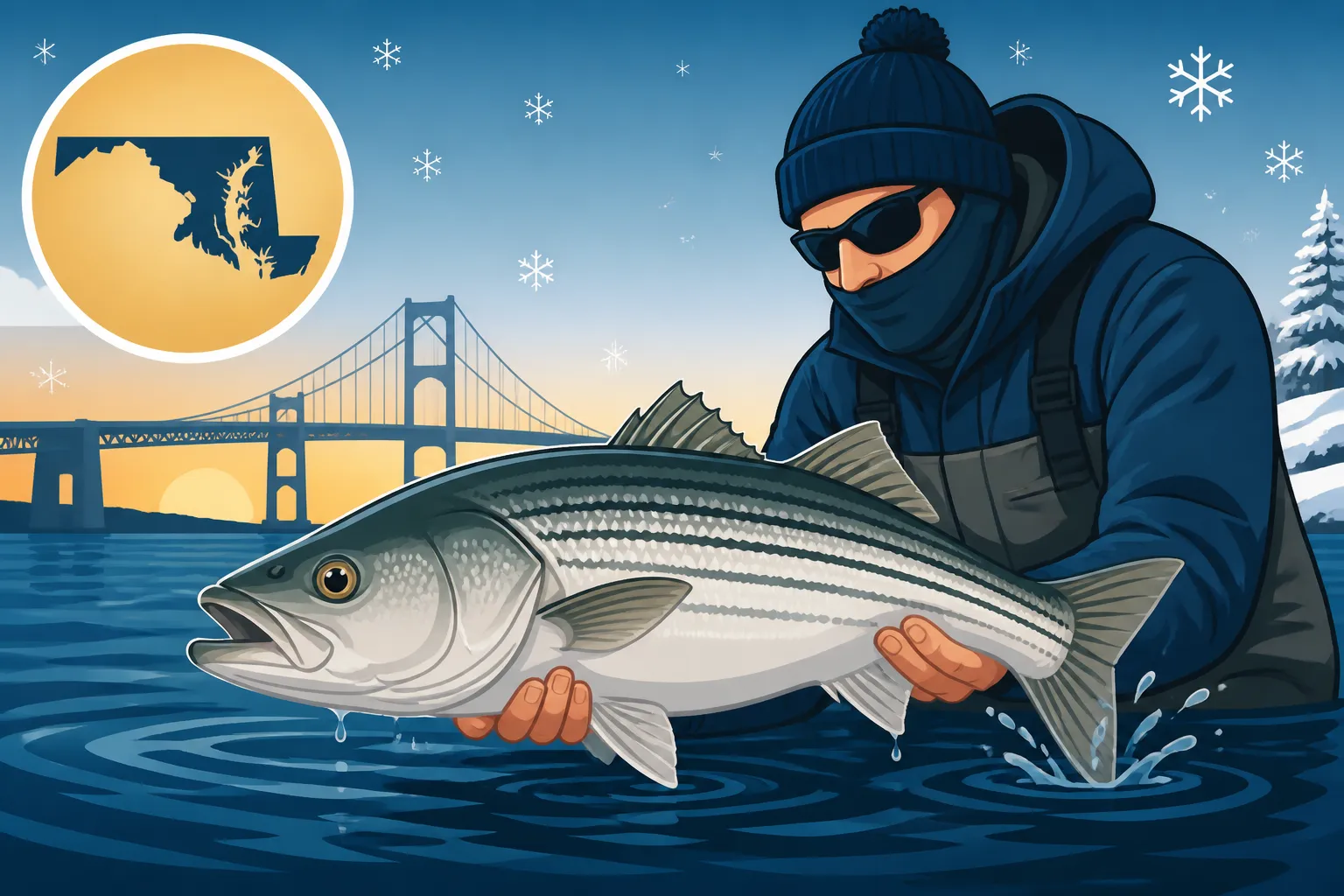
- Revive the Fish: If the fish seems sluggish after the fight, hold it gently in the water, facing into the current, and move it back and forth to force water over its gills. Only release it when it swims away under its own power.
- Be Quick and Gentle: The less time the fish is out of the water or being handled, the better its chances of survival.
- Know the Rules: Always confirm the current Maryland Catch and Release Rules During Closed Seasons to ensure you're in compliance.
By following these guidelines, you're not just adhering to regulations; you're actively participating in the conservation of a truly special fishery.
Challenges and Rewards of Winter Striper Fishing
Winter fishing isn't for the faint of heart, but for those who embrace the challenges, the rewards can be deeply satisfying and sometimes even profound.
Overcoming Cold, Wind, and Short Days
Let's be real: winter fishing in Maryland can be downright miserable if you're not mentally and physically prepared. The cold permeates everything, making your fingers ache and your toes numb. The wind seems to cut right through even the best layers, and spray from the boat can quickly turn to ice on your deck and gear. Lines can freeze in your rod guides, and baitcasting reels can become sluggish. The days are short, meaning fewer hours of daylight to find and catch fish, and often a very early start or a late finish in the dark. It's a battle against the elements as much as it is a hunt for fish.
These conditions test your resolve, your gear, and your patience. You might spend hours shivering, only to get a few subtle bites. It can be easy to get discouraged. However, overcoming these physical and mental hurdles is part of the unique appeal. When you manage to stay warm, keep your gear functioning, and persevere through the uncomfortable conditions, the sense of accomplishment is amplified. It forces you to be more focused, more deliberate, and more appreciative of every single bite.
The Thrill of a Winter Striper Hook-Up
Despite the challenges, the sheer thrill of hooking into a powerful striped bass during the winter months is an experience unlike any other. These fish, even with their slowed metabolism, are incredibly strong. When you set the hook, that initial head shake and deep pull can send an electric jolt right up your arms, instantly making you forget the biting wind and the cold. There's a raw power to a winter striper that seems to defy the frigid water.
Perhaps it's the contrast between the quiet, often desolate winter landscape and the sudden surge of life on the end of your line. Or maybe it's the knowledge that you've outsmarted a wary predator under tough conditions. Whatever the reason, the feeling of successfully battling a cold-water striped bass, bringing it boat-side, and then watching it swim off strongly back into the depths, is a truly rewarding experience. It's a testament to the resilience of both the fish and the angler, and it’s a moment of connection with nature that warms you from the inside out, long after your fingers have thawed. It's a prime example of why many consider Maryland Striped Bass so iconic.
Winter Striper Fishing: Lure & Technique Quick Reference
To help you remember the essentials for success, here's a quick reference table for lures and techniques during the Maryland winter catch and release season:
| Lure Type | Best Conditions | Technique Focus | Key Characteristics |
|---|---|---|---|
| Soft Plastics | Deep channels, structure, moderate current | Slow jigging, subtle retrieves | Mimics baitfish, versatile, effective for lethargic fish |
| Metal Jigs | Deep water, strong currents, vertical presentations | Vertical drops, sharp lifts/falls | Fast sink rate, flash and vibration, good for tightly schooled fish |
| Blade Baits | Moderate depths, less aggressive fish, bottom contact | Lift-and-drop, slow retrieve | Subtle vibration, enticing flash, good for generating reaction bites |
| Swim Baits | Any depth, when fish are slightly more active | Slow, steady retrieve with pauses | Realistic profile, natural swimming action, covers water efficiently |
Remember, the overarching theme is slow, deliberate, and precise. Fish smarter, not harder, especially when the water is cold.
Disclaimer
This article is for general informational purposes only and does not constitute professional advice. Laws, prices and regulations vary by location and change over time. Consult a qualified professional for guidance on your specific situation.