Why White Perch Move Into Creeks to Spawn
It’s a tale as old as time for Maryland anglers: one day, the white perch are biting like crazy in the main rivers and bay, and the next, they seem to have vanished into thin air. Many of us have experienced that head-scratching moment, wondering where these feisty little panfish disappear to. The truth is, they haven't disappeared at all; they've simply embarked on one of nature's most remarkable journeys: their annual spawning migration into the shallower, freshwater-influenced creeks. This guide will walk you through the fascinating reasons behind this crucial movement, helping you understand the "why" and, more importantly, the "when" and "where" to find them.
The Biological Imperative: Why White Perch Seek Creeks for Spawning
White perch, while incredibly adaptable and capable of thriving in a wide range of salinities from entirely fresh to quite brackish, have a very specific set of needs when it comes to reproducing. Their annual migration into the creeks isn't just a casual swim; it's a deep-seated biological drive essential for the survival of their species. It's about finding the perfect nursery for their future generations.
Optimal Conditions for Egg Survival and Development
Think about it from a tiny fish egg's perspective. The open bay or larger, deeper rivers can be a pretty harsh place. Strong currents can sweep eggs away, deep water might not get enough sunlight for the micro-organisms they’ll eventually feed on, and a myriad of hungry predators are always on the prowl. Creeks, on the other hand, offer a comparatively protected environment.
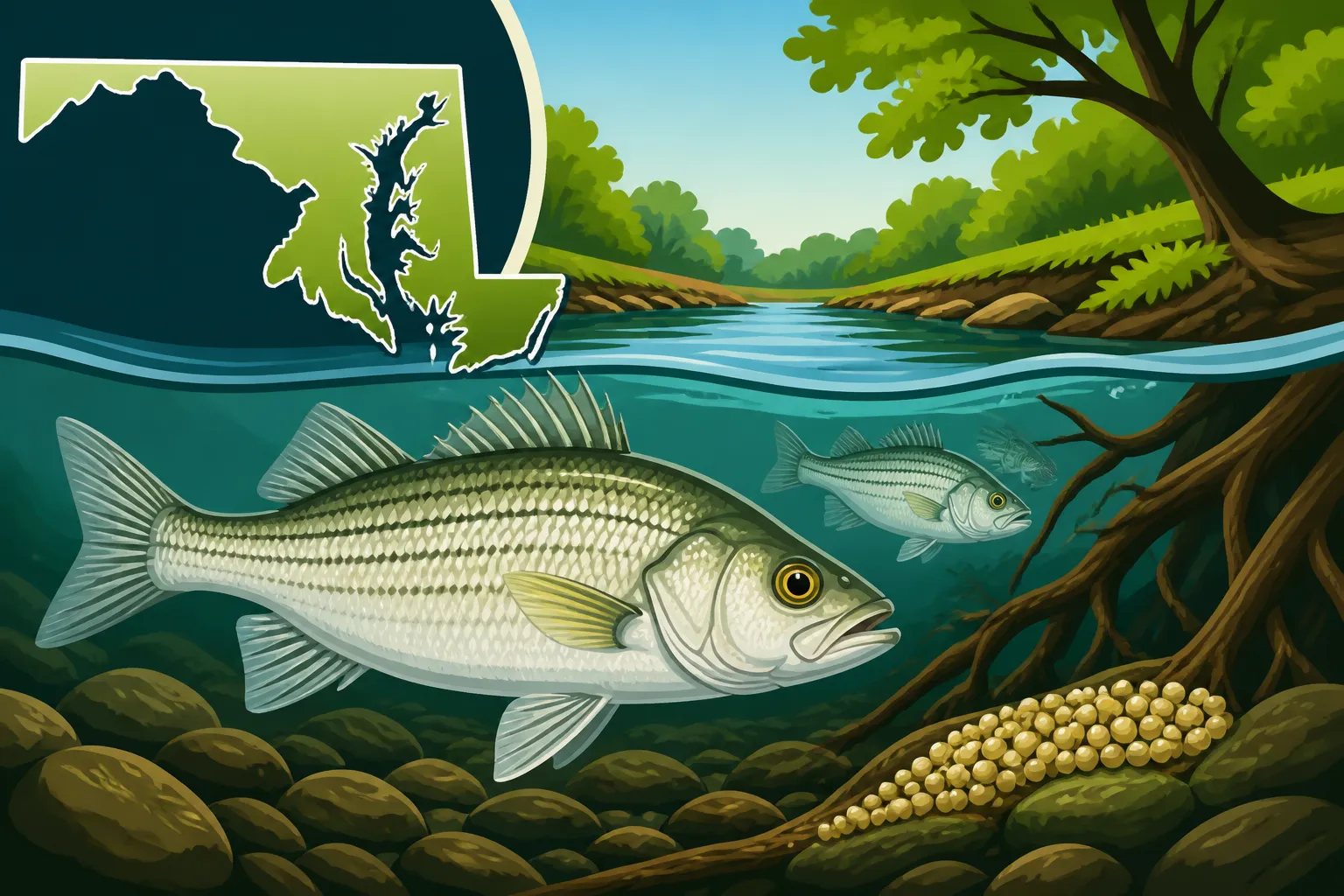
When white perch eggs are released, they are slightly adhesive, designed to stick to submerged vegetation, woody debris, rocks, or even the bottom substrate. In the calmer, shallower waters of creeks, these eggs have a much better chance of adhering to something stable rather than being washed out into the open bay. This adherence is critical for their survival; without a solid anchor, they could be lost to currents or become easy targets for bottom-feeding scavengers. Furthermore, the warmer, oxygen-rich water found in shallower creeks during the spring is ideal for embryonic development. These smaller tributaries often have less silt and clearer water, which means better light penetration for the photosynthetic processes of algae and aquatic plants, forming the base of the food chain for newly hatched fry. It's truly a perfect, sheltered cradle for new life.
The Drive to Reproduce: Hormonal Triggers and Instinct
Just like migrating birds or spawning salmon, white perch are driven by an ancient, powerful instinct to reproduce. As spring approaches, internal biological clocks, influenced by increasing daylight hours and gradually warming water temperatures, kick into gear. Hormonal changes within the fish trigger their bodies to prepare for spawning. This drive is so strong that they will undertake significant upstream journeys, sometimes traveling many miles from their wintering grounds in deeper channels to reach these vital spawning grounds.
This isn't just about finding a good spot to drop eggs; it's about the entire reproductive process. Male white perch typically arrive first, establishing territories and awaiting the females. Their presence, along with the rising water temperatures and the natural cues of freshwater influx, signals to the females that it's time to release their eggs. It's a synchronized dance, perfected over millennia, ensuring that the maximum number of eggs are fertilized and given the best possible start in life. Understanding this instinct helps us appreciate why they commit so fully to these upstream runs, year after year.
Navigating the Journey: Key Factors Guiding the Spawning Run
So, we know why they go, but how do they know where to go and when? It's not a random swim. White perch rely on a symphony of environmental cues to guide their migration, from the subtle shift in water temperature to the rush of freshwater flowing down from inland rains. For anglers, decoding these signals is like having a secret map to prime fishing action during the spring-run white perch season in Maryland.
The Critical Role of Water Temperature
If there's one environmental factor that dictates the timing of the white perch spawning run, it's water temperature. White perch are incredibly sensitive to changes in temperature, and it acts as the primary trigger for their migration. They typically begin their upstream journey when water temperatures consistently reach the upper 40s (around 8-9°C) and will spawn when the water hits the mid-50s to low 60s Fahrenheit (around 12-17°C). Any colder, and their bodies aren't ready; any warmer, and the conditions might become less ideal for egg development or increase predator activity.
Sudden cold snaps, often called "cold fronts," can actually halt a spawning run in its tracks. Anglers might find a creek full of perch one day, only for them to seemingly vanish if temperatures plummet. Conversely, a sustained warm spell can accelerate the run, bringing them into the creeks earlier than expected. This is why paying attention to weather forecasts and water temperature gauges (many fishing apps or local marine reports provide this data) is crucial for pinpointing the best time to target these fish. Tracking these temperature fluctuations is key to understanding what water temperature triggers the white perch spawn.
Following the Flow: Freshwater Influx and Salinity Changes
While white perch can tolerate brackish water, their eggs and fry are more sensitive to high salinity. This is why the influx of freshwater into creeks, especially during spring rains and snowmelt, is another critical guiding factor. As rivers and streams swell with freshwater, the salinity levels in the upper reaches of tidal creeks drop, creating the perfect low-salinity environment necessary for successful egg hatching and larval development.
This freshwater "scent" acts like a beacon, drawing the perch upstream. They can detect subtle changes in salinity and water chemistry, instinctively following the freshest flows. After heavy rains, you'll often find a surge of perch moving further up into the smallest tributaries, seeking out those pristine, low-salinity conditions. This is a primary reason why white perch move into creeks to spawn, as the fresher water offers a better chance for their eggs to thrive. Anglers often find phenomenal fishing directly after a good rain, as the perch stack up in these areas.
Structural Sanctuary: Ideal Creek Characteristics
Not just any creek will do. White perch look for specific characteristics in their spawning grounds. They prefer shallow, slow-moving waters with plenty of submerged structure where their adhesive eggs can attach. This structure might include:
- Submerged vegetation: Eelgrass, hydrilla, lily pads, and other aquatic plants provide excellent surfaces for eggs and camouflage for fry.
- Woody debris: Fallen trees, logs, and brush piles offer both egg-attachment sites and protection from predators.
- Hard bottom: Areas with sand, gravel, or even oyster shells can also be chosen, especially if vegetation is sparse.
- Marshy areas: The flooded grasses and muddy banks of tidal marshes offer a nutrient-rich, protected environment.
These areas are typically found in the upper reaches of tidal creeks, where the water is shallower, the currents are gentler, and there's a good mix of freshwater runoff and natural cover. Famous examples in Maryland include the smaller tributaries of the Patuxent River, the Choptank River, and even the tiny guts feeding into the larger Chesapeake Bay rivers. It's this combination of ideal temperature, freshwater influence, and structural cover that makes these creeks irresistible to spawning perch.
Angler's Advantage: Understanding the Spawning Migration for Better Fishing
Knowing the "why" and "how" of white perch spawning migration isn't just for academic interest; it's genuinely useful for anyone who loves to catch these delicious panfish. By understanding their movements, you can significantly improve your chances of locating and catching them, especially during the peak of the spring run.
Timing Your Trip: Peak Spawning Windows
The white perch spawning run in Maryland typically kicks off in late March and can extend well into May, depending largely on water temperatures. The prime window, however, often falls in April, once those consistent mid-50s Fahrenheit water temps are established. This is when you'll find the fish stacked up in the creeks, actively spawning and often quite aggressive. For a more general overview, knowing the best month to catch white perch in Maryland can help you plan your season.
Table: Ideal White Perch Spawning Conditions for Anglers
| Factor | Ideal Range/Condition | Angler's Observation |
|---|---|---|
| Water Temperature | 50-62°F (10-17°C) | Check local reports, use a thermometer |
| Salinity | Low salinity, freshwater influence | Look for freshwater runoff, recent rains |
| Location | Upper tidal creeks, shallow tributaries | Target small creeks, marshy coves, upstream areas |
| Structure | Submerged vegetation, woody debris, hard bottom | Look for visible cover, use fish finders |
| Tide | Often best on incoming or slack high tide in creeks | Consult tide charts, observe water movement |
| Time of Day | Early morning and late afternoon are often most active | Fish during cooler parts of the day, especially if sunny |
During this period, you might find the best fishing during incoming tides in the creeks, as the rising water can bring more perch in from the main river or bay, and also make more shallow areas accessible to them. Pay attention to local reports and fishing forums, as conditions can vary slightly year to year and creek to creek.
Gear and Techniques for Creek Perch
When white perch are concentrated in creeks for spawning, they can be incredibly eager to bite. Light tackle is the name of the game here, making the fight more enjoyable and allowing for more sensitive presentations.
- Rods and Reels: A light to medium-light spinning rod (6-7 feet) paired with a small spinning reel (2000-2500 series) spooled with 6-10 lb monofilament or braided line is perfect.
- Lures: Small artificial lures work wonders.
- Jigs: ¼ to ⅛ oz jig heads tipped with small soft plastic grubs (like a 2-inch curly tail or paddle tail) in white, chartreuse, or motor oil colors are perennial favorites. You can find a fantastic selection of these in multi-packs on Amazon.
- Spinners: Small inline spinners (size 0 or 1) are also very effective, especially for covering water.
- Spoons: Tiny casting spoons can imitate baitfish and flash enticingly.
- Bait: If artificials aren't cutting it, live bait is almost always a surefire bet.
- Grass shrimp: These are a natural food source for perch and are incredibly effective.
- Bloodworms or Fishbites: Small pieces fished on a bottom rig or under a bobber can be irresistible.
- Minnows: Small live minnows, if legal and available, also work well.
When fishing in creeks, focus on areas with visible structure – fallen trees, dock pilings, undercut banks, and especially pockets of submerged grass. Cast your lure or bait near these features and retrieve slowly. Sometimes, a simple jig bounced along the bottom is all it takes. For targeting specific schools, a cast net can be a highly effective, and legal, way to quickly gather white perch for dinner, though check local regulations first. Remember to refer to Maryland fishing size and catch limits by species to ensure you're compliant.
Respecting the Resource: Ethical Fishing During Spawning
While the white perch spawning run offers some of the most exciting fishing of the year, it's also a critical time for the species. These fish are in the creeks for one reason: to reproduce. As responsible anglers, it's important to keep this in mind and practice ethical fishing.
- Follow Regulations: Always be aware of and adhere to current Maryland DNR regulations regarding daily bag limits and possession. While white perch typically have generous limits, it's good practice to only keep what you'll eat and release the rest responsibly. You can find detailed information in the Maryland Fishing License Guide for 2026.
- Handle Fish Carefully: If you're practicing catch and release, handle the fish as little as possible. Wet your hands before touching them to protect their protective slime coat. Use de-hooking tools if the fish has swallowed the hook, or consider cutting the line if it's too deep.
- Avoid Over-Harvesting: Just because you can catch a lot of fish doesn't mean you should take home every single one. Consider releasing larger, breeding-size females, as they are the most important for future populations.
Understanding White Perch in Maryland's Chesapeake Bay and their lifecycle allows us to be better stewards of this incredible resource. The spawning migration is a truly spectacular natural event, and by fishing responsibly, we can ensure that these prolific fish continue to thrive in Maryland's waters for generations to come. So next time you're wondering why those perch moved, you'll know it's all part of a beautiful, ancient cycle of life.
Disclaimer
Please remember that fishing regulations, including licensing requirements, size limits, and creel limits, can change. Always consult the latest official Maryland Department of Natural Resources (DNR) guide or website before heading out on your fishing trip to ensure you are in compliance. This guide is for informational purposes only and does not constitute legal advice.