Surf Fishing Spots Along Assateague Island
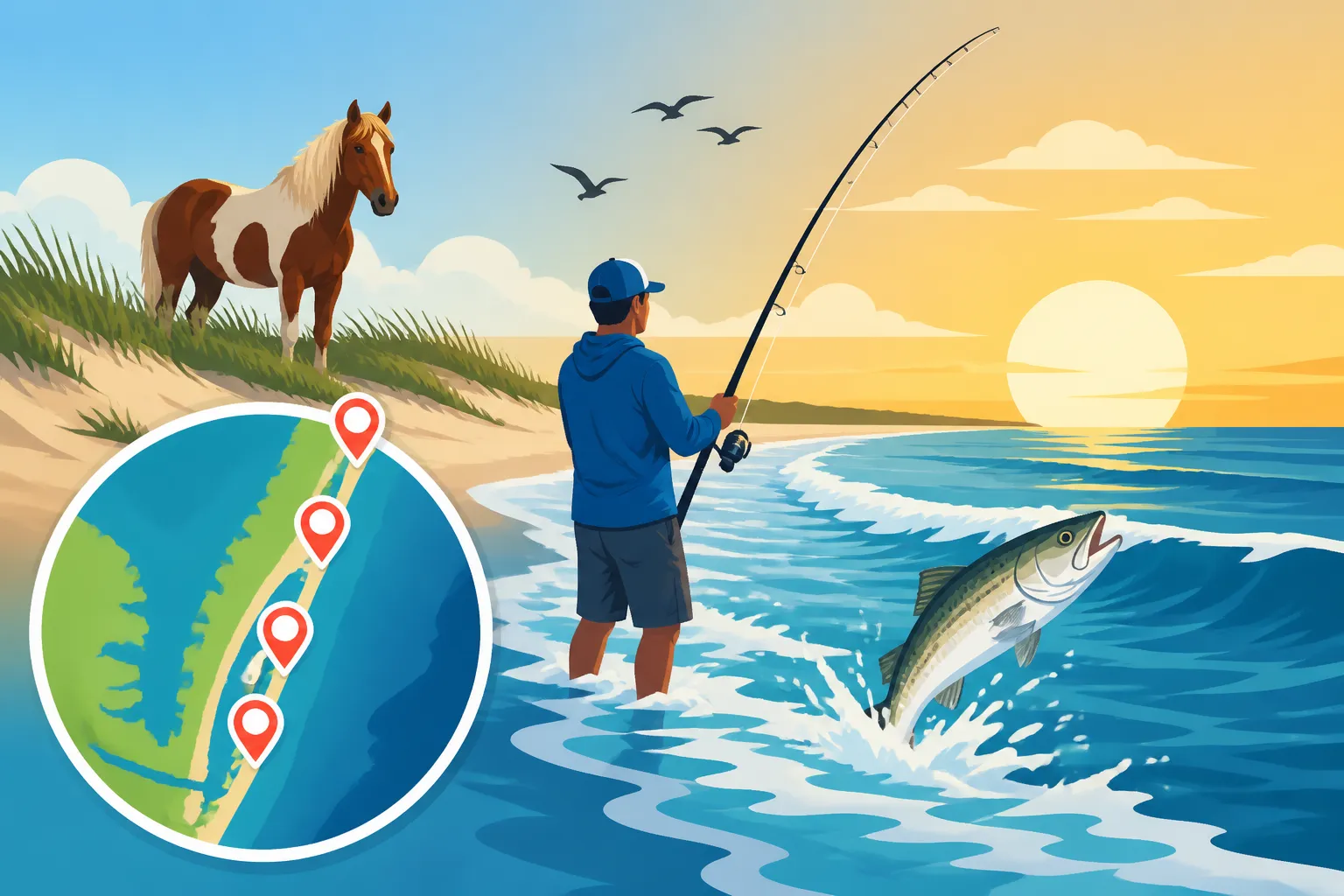
There's nothing quite like the raw, untamed beauty of Assateague Island, a place where the wild ponies roam freely and the ocean’s rhythm dictates life. But for us anglers, standing on that vast, sandy expanse, the sheer scale can feel a bit overwhelming. You're probably wondering, with miles of pristine coastline, where do you even start to find those honey holes for a truly successful surf fishing trip? This guide is going to walk you through the prime locations and crucial tips to make your next Assateague surf fishing adventure a rewarding one, taking the guesswork out of where to cast your line.
Why Assateague Island is a Premier Surf Fishing Destination
Assateague Island National Seashore, a barrier island stretching across parts of Maryland and Virginia, offers an unparalleled surf fishing experience that truly sets it apart from more developed coastal areas. It’s a place where the fishing isn't just about the catch, but about immersing yourself in an untouched, natural environment. Unlike the bustling beaches of Ocean City, just a stone's throw away, Assateague gives you space, solitude, and the feeling of truly being one with the elements.
The Allure of the Untamed Coast
What makes Assateague such a draw for surf anglers is precisely its wildness. Here, you won't find towering hotels or crowded boardwalks right at the water's edge. Instead, you're met with miles of shifting sands, dunes sculpted by the wind, and the relentless, rhythmic crash of the Atlantic surf. This untouched nature isn't just aesthetically pleasing; it creates a dynamic, healthy ecosystem teeming with the baitfish that larger gamefish pursue. It’s a different kind of challenge and a different kind of reward, appealing to those who seek a more authentic and rugged angling experience. For a broader look at what this unique island offers, check out our comprehensive guide on Assateague Island Fishing Guide for Maryland Anglers.
The lack of permanent structures and heavy human impact means the beach topography is constantly changing, reshaped by tides and storms. This natural evolution creates ever-shifting sloughs, sandbars, and drop-offs – the prime targets for surf fishermen. While it requires a keen eye to "read the beach" and find these productive features, the effort often pays off with incredible catches that might be harder to come by in more disturbed environments. It's a testament to the fact that sometimes, the best fishing is found where nature is allowed to run its course.
Diversity of Game Fish Species
Assateague's nutrient-rich waters and diverse bottom structure attract a wide array of desirable game fish throughout the seasons. From the spring runs to the late fall bite, there's almost always something biting, making it a year-round destination for dedicated surf casters. This diversity ensures that even if one species isn't cooperating, another might just make your day.
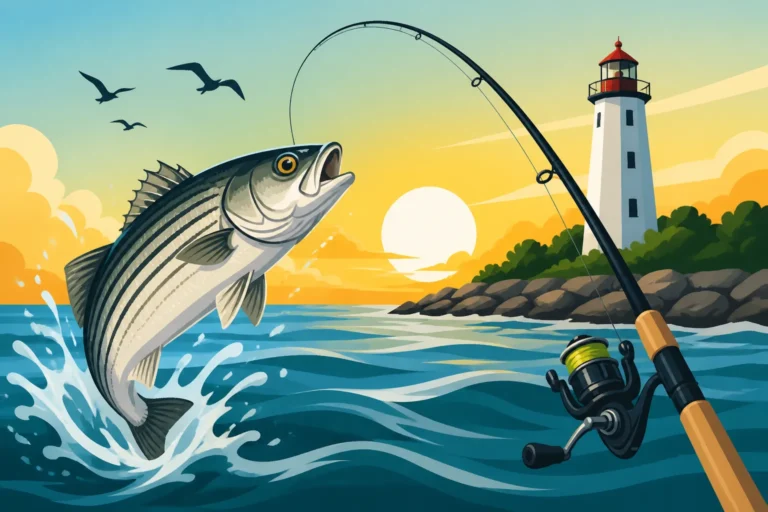
During the warmer months, you can expect to find summer mainstays like kingfish, spot, croaker, and even some flounder venturing into the surf zone. As the water temperatures cool in the spring and fall, the bigger predators move closer to shore. That's when you might encounter impressive schools of bluefish, especially during their migratory runs, and the revered striped bass, often called rockfish here in Maryland. You might also hook into the powerful Red Drum Along Maryland's Coast, which are a thrilling fight on surf gear. Each species requires slightly different tactics and bait, adding another layer of excitement and challenge to your Assateague adventures.
Unlocking Assateague's Best Surf Fishing Access Points
Assateague Island offers distinct areas for surf fishing, each with its own advantages and access requirements. Understanding these zones is crucial for planning your trip, especially given the island’s unique blend of National Seashore and State Park lands on the Maryland side. Whether you prefer to walk on or drive onto the beach, Assateague has options to suit your style, but knowing the nuances of each can significantly impact your success and enjoyment.
North End (North Beach) Walk-On Access
The northernmost section of Assateague Island, often referred to as North Beach or the day-use area of the Maryland State Park, is the most accessible point for many anglers. Located just a short drive from Ocean City, this area allows walk-on access to the beach without the need for an Over Sand Vehicle (OSV) permit. This makes it a popular choice for families, beginners, or those simply looking for a quick fishing session without the hassle of specialized gear.
While more convenient, the walk-on section of North Beach can experience higher foot traffic, especially during peak summer weekends. However, if you're willing to walk a bit further from the parking areas, you can often find stretches of beach that offer more solitude and productive water. Look for signs of activity, like diving birds or baitfish jumping, and focus your efforts around any visible sloughs or cuts close to shore. This area is fantastic for catching smaller panfish like spot and kingfish, especially with simple bottom rigs and pieces of bloodworm or Fishbites.
Over Sand Vehicle (OSV) Zone: The Heart of Surf Fishing
For the serious surf angler, the Over Sand Vehicle (OSV) zone is where the true magic of Assateague surf fishing unfolds. This expansive section of the Maryland National Seashore allows permitted vehicles to drive directly onto the beach, offering access to miles of pristine, less-pressured coastline. This is where you can truly escape the crowds and explore a vast, dynamic fishing landscape.
Accessing the OSV zone requires a special permit, which can be purchased from the National Park Service. It's essential to understand the rules and regulations associated with driving on the beach, including tire pressure requirements and designated driving corridors. For detailed information on this, check out our guide on Do You Need a Permit to Drive on Assateague Island's Beach?. Having a vehicle on the sand means you can cover a significant amount of ground, moving between promising looking spots until you find where the fish are holding. Many anglers will tell you that the ability to quickly relocate is a game-changer on a dynamic beach like Assateague. While you're exploring options, remember that services like FishingBooker can sometimes offer insights into local conditions and charter opportunities even if you're planning a DIY trip, giving you a better feel for what to expect.
Exploring the Southern Reaches
While the Maryland side of Assateague Island is typically the focus for surf fishing due to its accessibility and regulations, it's worth noting the vastness of the island extends into Virginia. The fishing opportunities on the southern end, especially near the Virginia state line, also offer excellent surf fishing potential, though access and regulations may differ slightly. It's always a good idea to research the specific rules for whichever side you plan to fish, as state lines can mean different licenses and bag limits.
Even on the Maryland side, as you head further south into the OSV zone, the environment becomes even more remote and untouched. These deeper stretches often hold less-pressured fish and provide an incredible sense of solitude. While the primary focus of this guide is the oceanfront, remember that Bayside vs Oceanside Fishing at Assateague offers different experiences entirely, with the calm waters of the bay providing opportunities for different species like flounder and crabbing. Always consult the latest Maryland Fishing Regulations Guide, Where to Find It before venturing out.
Mastering Techniques for Assateague's Dynamic Surf
Surf fishing on Assateague Island is far more than just casting a line into the waves. It's an art and a science that requires understanding the environment, selecting the right gear, and timing your efforts strategically. The ever-changing nature of the ocean means that what worked yesterday might not work today, so adaptability is key.
Reading the Beach: Finding the Hidden Hotspots
One of the most crucial skills for successful surf fishing, especially on a dynamic barrier island like Assateague, is learning to "read the beach." The ocean floor isn't a flat, uniform plane; it features intricate structures created by currents and waves that act as highways and feeding grounds for fish. Knowing how to identify these features can put you directly over the fish, rather than casting blindly.
Look for areas where waves break differently, where the water color changes, or where you see distinct changes in the shoreline. These subtle clues often indicate the presence of sloughs (deeper troughs running parallel to the beach), cuts (channels that breach sandbars, allowing fish to move in and out with the tide), and sandbars (elevated areas where waves often break). Fish use these features for protection, to ambush baitfish, or to move between the deeper ocean and the shallower surf. A good pair of polarized sunglasses can significantly help you spot these underwater structures from the dry sand. Take your time, observe the water, and let the ocean tell you where the fish might be.
Essential Bait and Tackle for Assateague
Having the right bait and tackle is non-negotiable for surf fishing on Assateague. Given the variety of species you might encounter, a versatile setup is often best. A medium-heavy to heavy surf rod, typically 9 to 12 feet long, paired with a large capacity spinning reel (like a 6000-8000 series) loaded with 20-30 lb monofilament or braided line, will handle most situations. When it comes to terminal tackle, fish-finder rigs or high-low rigs are popular choices, depending on your target species and presentation. Our guide on Techniques for Surf Casting at Assateague goes into more detail.
For bait, the general rule is "fresh is best." Bloodworms, fresh peeler crab, and cut bait (like mullet or bunker) are excellent all-around choices. Synthetic baits like Fishbites can also be incredibly effective, especially for panfish, and have the added benefit of staying on the hook longer. A variety of baits allows you to experiment until you find what the fish are keying in on that particular day. For more specific recommendations, be sure to check out Best Bait for Surf Fishing at Assateague Island. Don't forget a sturdy sand spike to hold your rod, a surf bag for tackle, and a cooler to keep your bait fresh and your catch cold.
Timing Your Trip for Optimal Success
Timing is everything in surf fishing. The best results often come from understanding tidal movements, seasonal patterns, and even daily weather conditions. On Assateague, the incoming and outgoing tides, particularly around the high or low slack tides, can be prime times as these movements often concentrate baitfish and bring game fish closer to shore.
Seasonally, spring and fall are generally considered the "trophy seasons" when larger striped bass and bluefish are migrating along the coast. Summer still offers plenty of action with smaller species, and even winter can be productive for hearty anglers targeting larger stripers if conditions allow. Always keep an eye on weather forecasts, as calm seas with light winds are typically more favorable, though a slight chop can sometimes stir up bait and improve fishing. For a deeper dive into optimal periods, take a look at our article on the Best Time to Surf Fish Assateague Island. When planning your trip, looking at services like FishingBooker can sometimes help you gauge local fishing reports and seasonal trends from guides who know these waters intimately.
Here’s a quick overview of some common Assateague surf fish, their preferred baits, and ideal times:
| Species | Preferred Bait | Best Time of Year | Ideal Conditions |
|---|---|---|---|
| Striped Bass | Fresh cut bait (bunker, mullet), live spot, bloodworms | Spring, Fall | Cooler water, dawn/dusk, moving tides |
| Bluefish | Cut bait, metal lures, Got-Cha plugs | Summer, Fall | Aggressive feeders, high tide, schooling bait |
| Red Drum | Peeler crab, cut bait, clams | Late Spring, Fall | Warmer water, incoming tide, sloughs |
| Kingfish | Bloodworms, Fishbites | Summer | Warm water, bottom fishing, light tackle |
| Spot / Croaker | Bloodworms, Fishbites, small pieces of shrimp | Summer, Early Fall | Warm water, sandy bottom, high tide |
| Flounder | Minnows, squid strips, Gulp! | Spring, Summer | Slack tide, near cuts and channels |
Responsible Angling and Essential Regulations on Assateague Island
Fishing on Assateague Island isn't just about catching fish; it's about respecting the environment and adhering to the regulations that protect this unique ecosystem. As a national seashore, Assateague has specific rules that apply, and it's every angler's responsibility to understand and follow them. This ensures that the fishing remains excellent for future generations and that the wild beauty of the island is preserved.
Understanding Maryland's Fishing Regulations
Before you even think about casting a line, you need to make sure you have a valid Maryland fishing license. Whether you're a resident or a non-resident, this is a fundamental requirement. Our comprehensive Maryland Fishing License Guide for 2026 can walk you through the process and help you determine which license is right for you. It's not just about the license, though. You also need to be aware of species-specific regulations.
Maryland's Department of Natural Resources (DNR) sets strict Maryland Fishing Size and Catch Limits by Species, as well as seasons for various fish. These regulations are critical for managing fish populations and ensuring sustainable fishing. For example, striped bass (rockfish) often have slot limits and specific seasons, which means you can only keep fish within a certain size range during designated periods. Flounder, bluefish, and other popular species also have their own rules. Always check the most current Maryland DNR fishing guide before each trip, as regulations can change. Ignorance of the law is not an excuse, and penalties for violations can be steep.
Leave No Trace Ethos and Wildlife Awareness
Assateague Island is a truly special place, home to diverse wildlife, including the famous wild ponies. Part of being a responsible angler here is embracing a "Leave No Trace" ethos. This means packing out everything you pack in, and ideally, even picking up any trash you might find left by others. Discarded fishing line, bait containers, and other debris can be harmful or even deadly to wildlife.
Be mindful of the wild ponies and other animals. Never feed them, and always maintain a respectful distance. They are wild animals and can be unpredictable. When driving on the OSV zone, be on the lookout for nesting birds, wildlife, and other anglers. This includes being aware that Sharks Found Near Assateague Island, Maryland are part of the ecosystem, though interactions are rare. Your actions contribute to the health and sustainability of this incredible natural resource. If you observe any violations or environmental concerns, don't hesitate to report them to the park rangers or the Maryland DNR. Remember, we're all stewards of this beautiful island.
Disclaimer
The information provided in this guide is for general informational purposes only and is subject to change. Fishing regulations, seasons, and licensing requirements in Maryland can vary and are updated periodically by the Maryland Department of Natural Resources (DNR) and the National Park Service. Always consult the most current official publications from these agencies before planning any fishing trip to Assateague Island.