Maryland Disabled Angler Fishing License Discount
Navigating the world of fishing licenses can feel like trying to untangle a particularly stubborn bird's nest of monofilament line, especially when you're dealing with specific circumstances like a disability. For many anglers with disabilities in Maryland, the joy of being on the water can be overshadowed by concerns about affordability or simply figuring out what licenses are available and how to get them. This guide is here to smooth out those kinks, providing clear, empathetic information on Maryland's disabled angler fishing license discount, so you can focus on what truly matters: casting your line and enjoying the peace of the water.
Understanding Maryland's Disabled Angler License Benefits
Maryland, like many states, recognizes the importance of making outdoor recreation accessible to everyone. Fishing, with its therapeutic qualities and connection to nature, is particularly beneficial. To support anglers with disabilities, the state offers a significantly discounted fishing license, designed to reduce financial barriers and encourage participation. It's not just about a cheaper license; it's about acknowledging the unique challenges some face and providing a pathway to enjoy Maryland's incredible fishing opportunities.
Who Qualifies for the Discounted License
Eligibility for Maryland's disabled angler license is clearly defined, and it's essential to understand these criteria to ensure you qualify. Generally, the discount is available to Maryland residents who have a permanent and total disability. This isn't just a casual distinction; "permanent and total disability" typically means that you are unable to engage in any substantial gainful activity due to a physical or mental impairment that can be expected to result in death or has lasted or can be expected to last for a continuous period of not less than 12 months. This is often aligned with federal Social Security Disability (SSD) or Supplemental Security Income (SSI) definitions.
To prove eligibility, you'll usually need official documentation from a recognized agency. This could be an award letter from the Social Security Administration, a statement from the Department of Veterans Affairs confirming a 100% service-connected disability, or a doctor's certification using a specific Maryland Department of Natural Resources (DNR) form. The state wants to ensure the benefit goes to those who truly need it, so having your paperwork in order is crucial. Don't worry, it's not as daunting as it sounds, but it does require a bit of upfront organization.
What the Discounted License Covers
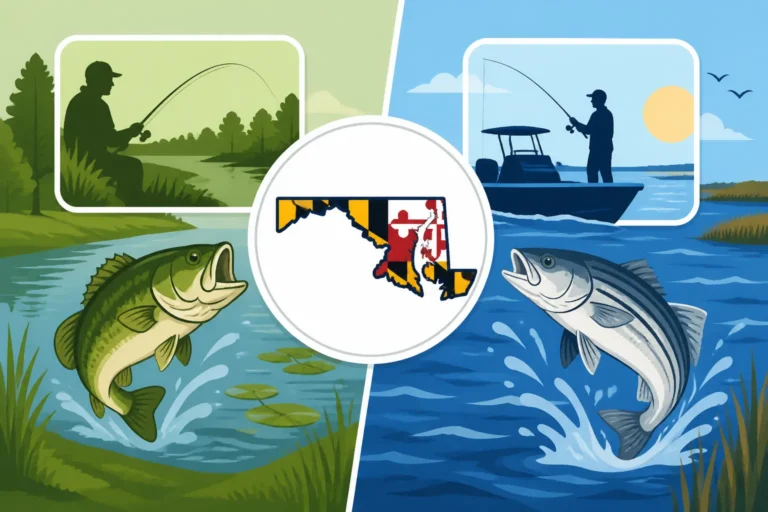
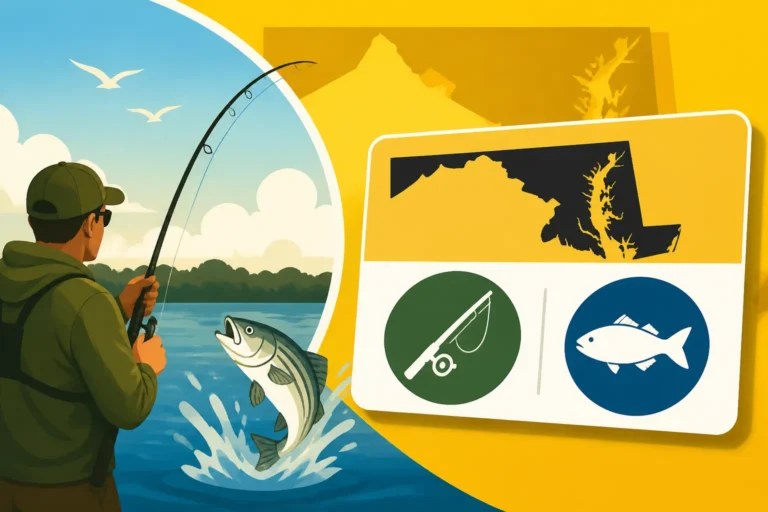
The beauty of the Maryland Disabled Angler Fishing License is its comprehensive coverage, allowing you to fish a wide array of Maryland's diverse waters. This license is a Consolidated Sport Fishing License, meaning it bundles both the Tidal Bay & Coastal license and the Non-Tidal license into one convenient package. This means you won't need to purchase separate licenses if you want to fish for rockfish in the Chesapeake Bay one weekend and then head to a freshwater lake for bass the next. This broad coverage is a huge relief, especially for those who might find navigating multiple license types confusing or cumbersome.
It essentially acts as your all-access pass to Maryland's fishing scene, from the Atlantic Ocean's surf to the calm waters of the state's many reservoirs and rivers. This consolidation is particularly beneficial for those who might have limited mobility and want to make the most of their fishing trips without worrying about jurisdictional boundaries. However, it's important to remember that certain specific endorsements, like a Maryland Trout Stamp, are still separate requirements if you plan to fish in designated trout management areas. While the consolidated license covers most bases, always double-check for any specialized stamps relevant to your chosen fishing grounds. Understanding the difference between a Maryland Nontidal vs Tidal Fishing License, Explained can further clarify what this consolidated option provides.
The Financial Relief It Offers
Let's talk numbers, because that's often where the real impact of this discount is felt. A standard Maryland Resident Annual Fishing License Cost can be around $30.50 for a consolidated license. For eligible disabled anglers, this cost is dramatically reduced to a mere $2.50. This isn't just a small token; it's a significant 90%+ discount that can make a real difference in an angler's budget, especially for those on fixed incomes or facing high medical expenses.
Consider this: for less than the cost of a cup of coffee, you gain a full year of access to Maryland's bountiful fishing opportunities. This financial relief can remove a significant barrier, allowing more individuals to pursue their passion without added stress. It means more money can be allocated to gear, bait, or transportation, enhancing the overall fishing experience. This isn't just a license; it's an investment in well-being and a testament to Maryland's commitment to inclusive outdoor recreation.
Here’s a quick comparison of typical annual resident license costs:
| License Type | Standard Resident Annual Cost | Disabled Angler Annual Cost | Savings |
|---|---|---|---|
| Consolidated Sport Fishing | $30.50 | $2.50 | $28.00 |
| Bay & Coastal Sport Fishing | $15.00 | Included in Consolidated | N/A |
| Non-Tidal Sport Fishing | $20.50 | Included in Consolidated | N/A |
Note: These prices are illustrative and subject to change by the Maryland Department of Natural Resources (DNR). Always check the official DNR website for the most current pricing.
How to Apply for Your Maryland Disabled Angler License
The process of applying for your disabled angler license is straightforward once you know the steps. It might seem like a lot of hoops to jump through initially, but with a bit of preparation, it's totally manageable. The key is to gather all the required documents beforehand to ensure a smooth application.
Gathering Necessary Documentation
The most critical step in applying for your disabled angler license is collecting the proper documentation to verify your disability status and residency. The Maryland DNR is specific about what they accept. You'll need proof of Maryland residency, such as a valid Maryland driver's license or state ID card. For disability verification, you'll need one of the following:
- Social Security Administration (SSA) Award Letter: This is often the easiest and most common form of documentation. It should clearly state that you are receiving Social Security Disability benefits and indicate a permanent and total disability.
- Department of Veterans Affairs (VA) Letter: If you're a veteran, a letter from the VA confirming a 100% service-connected disability is acceptable.
- Physician's Certification: In some cases, a physician can complete a specific DNR Physician's Certification Form for Disabled Hunter/Angler License. This form requires your doctor to certify that you have a permanent and total disability that prevents you from performing substantial gainful activity. Make sure your doctor uses the exact DNR form, as generic doctor's notes may not be accepted.
Always double-check the Maryland DNR website for the most current list of acceptable documents and any specific forms required. Having everything ready before you start the application will save you a lot of time and frustration.
Step-by-Step Application Process
Once your documentation is squared away, you have a few options for applying for your license:
- Online (Preferred for ease): The easiest way for many is to apply online through the Maryland DNR's COMPASS portal. You'll create an account if you don't already have one, then navigate to the license purchase section. When prompted, you'll indicate your disability status and be guided to upload the necessary proof. The system is designed to walk you through it, making it quite user-friendly. Once approved, your license can often be printed right away or accessed digitally on your phone. If you're looking for information on How to Buy a Maryland Fishing License, the online portal is generally the fastest method for all license types.
- In Person: If you prefer a more personal touch or need assistance, you can visit a local DNR Service Center or one of the many authorized license agents across the state. These agents include sporting goods stores, bait and tackle shops, and some department stores. Bring all your original documentation and a valid ID. The staff can help you complete the application and process your request on the spot. This is also a great way to support local businesses! To find a local agent, search "Where to Buy a Maryland Fishing License in Person" on the DNR website.
- By Mail: While less common and often slower, you can also apply by mail. You'll need to download the appropriate application form from the DNR website, fill it out completely, and mail it along with photocopies of your supporting disability documentation and a check or money order for the $2.50 fee. Be sure to keep copies of everything you send.
Regardless of the method you choose, always verify that your application has been received and processed. For online applications, you'll typically receive an email confirmation. For in-person applications, you'll get your license immediately. If mailing, it's wise to follow up if you haven't received your license within a few weeks.
Common Pitfalls to Avoid During Application
Even with a clear process, there are a few common hiccups that can delay your disabled angler license application. Being aware of these can help you avoid them:
- Incomplete or Incorrect Documentation: This is by far the biggest reason for delays. Ensure your disability documentation is current, clearly states "permanent and total disability," and matches the name on your ID. If using the physician's form, confirm your doctor has filled out every section accurately and completely. Don't send a generic doctor's note; it needs to be the specific DNR form.
- Proof of Residency Issues: Make sure your Maryland ID is current and matches the address on your application. If your address has recently changed, update your ID before applying.
- Trying to Apply as a Non-Resident: The disabled angler discount is specifically for Maryland residents. Non-residents, unfortunately, do not qualify for this particular discount, though they have other Maryland Nonresident Fishing License Cost options.
- Missing Payment: While only $2.50, forgetting to include payment with a mailed application or having an issue with online payment can halt the process. Double-check everything before submitting.
- Not Applying for the Correct License Type: Ensure you select the "Consolidated Sport Fishing License – Disabled" option when applying. Accidentally selecting a regular license will result in paying the full price.
If you encounter any issues, don't hesitate to reach out to the Maryland DNR customer service. They are usually very helpful and can guide you through any challenges.
Beyond the License: Accessible Fishing in Maryland
A license is just the first step. For disabled anglers, finding suitable fishing locations and having the right gear can make all the difference in enjoying a day on the water. Maryland has made strides in creating accessible opportunities, and with a bit of planning, you can discover some fantastic spots.
Top Accessible Fishing Spots in Maryland
Maryland boasts a variety of accessible fishing locations, from piers and shorelines to specially designed boat launches. These spots often feature paved paths, accessible restrooms, and designated parking to ensure a comfortable experience for anglers using wheelchairs or those with mobility challenges.
- North Point State Park (Edgemere, Baltimore County): This park offers an excellent fishing pier that is wheelchair accessible, providing access to the Chesapeake Bay. It's a fantastic spot for white perch, spot, and croaker, and occasionally striped bass.
- Sandy Point State Park (Annapolis, Anne Arundel County): While popular, parts of Sandy Point offer accessible shoreline fishing access with paved areas leading to the water's edge. It's a prime location for various Bay species, especially during the spring and fall runs. Many people enjoy Fishing Sandy Point State Park without a Boat.
- Point Lookout State Park (Scotland, St. Mary's County): Located at the confluence of the Chesapeake Bay and the Potomac River, this park features a long, accessible fishing pier. It’s excellent for bottom fishing and offers diverse species. Read more about Fishing Point Lookout State Park.
- Ocean City Fishing Pier (Ocean City, Worcester County): While busy, the Ocean City pier is generally accessible, providing ocean fishing opportunities for species like kingfish, bluefish, and even sharks. It's an iconic spot for a reason. Check out the Best Piers for Fishing in Ocean City Maryland for more options.
- Deep Creek Lake State Park (Swanton, Garrett County): In Western Maryland, this park offers accessible fishing platforms and boat launches, making it easier to enjoy the lake's abundant smallmouth bass, walleye, and trout. You can find out more about Fishing Deep Creek Lake's State Park Shoreline.
- C&O Canal National Historical Park (Various Locations): Numerous access points along the C&O Canal offer relatively flat, hard-packed towpaths suitable for bank fishing. While not always paved, many sections are manageable, providing access to freshwater species like bass, catfish, and panfish. Fishing the C&O Canal Near Washington is a popular pastime.
Always call ahead to specific parks or facilities to confirm current accessibility conditions, as features can sometimes change or be under maintenance.
Essential Gear for Disabled Anglers
Having the right equipment can significantly enhance the fishing experience for disabled anglers, making it more comfortable, efficient, and enjoyable. Specialized adaptive gear is becoming more readily available, and even standard gear can be optimized for ease of use.
- Rod Holders: These are paramount. Whether a clamp-on boat rod holder, a bank stick holder, or even a specialized wheelchair-mounted holder, they free up hands, reduce fatigue, and make waiting for a bite much easier. Brands like Berkley and Sea Striker offer sturdy, affordable options. You can often find a wide selection of these on reputable online retailers like Amazon.
- Comfortable Seating: A stable, comfortable chair, ideally with armrests, can make a long day of fishing much more pleasant. Some portable fishing chairs come with integrated rod holders or tackle storage.
- Accessible Tackle Boxes/Bags: Look for tackle storage that is easy to open, organize, and access with one hand if needed. Backpack-style tackle bags can be helpful for transporting gear if mobility is a concern.
- Long-Handled Nets and Grippers: These tools reduce the need to bend or reach excessively when landing a fish, minimizing strain and ensuring a safe release or retrieve.
- Electric Reels or Reel Enhancements: For some, an electric reel can provide invaluable assistance, reducing the physical effort of reeling in heavy fish or long lines. Alternatively, aftermarket handles or grips can make manual reels easier to operate.
- Lightweight Rods and Reels: Choosing lighter gear can significantly reduce arm and shoulder fatigue, allowing for longer, more comfortable fishing sessions.
Remember, the goal is to make fishing enjoyable and stress-free. Invest in gear that genuinely helps you overcome any physical limitations you might face.
Resources and Support for Disabled Anglers
You are not alone in your passion for fishing. There are many organizations and communities dedicated to supporting disabled anglers and promoting accessible recreation.
- Local Fishing Clubs: Many local fishing clubs are inclusive and can offer advice on accessible spots, adaptive gear, and even organize outings tailored for disabled anglers.
- Maryland Department of Natural Resources (DNR): The DNR website is a treasure trove of information, often detailing accessible parks and facilities. They are also the primary resource for specific license questions. You can refer to Maryland's DNR Fishing and Boating Guide, Explained for comprehensive information.
- Non-Profit Organizations: Groups like "Heroes on the Water" or "Project Healing Waters Fly Fishing" (though more national in scope) have local chapters and provide therapeutic outdoor experiences, often including fishing, for veterans and individuals with disabilities. Searching for similar local Maryland organizations might yield tailored programs.
- Online Forums and Social Media Groups: Connecting with other disabled anglers online can provide a fantastic network for sharing tips, discovering new spots, and finding support.
Don't hesitate to reach out and tap into these resources. The fishing community is generally very welcoming and eager to help fellow anglers get on the water.
Frequently Asked Questions About the Disabled Angler License
Even after diving deep, some specific questions often pop up. Here are answers to some common inquiries about Maryland's disabled angler fishing license.
Renewing Your Disabled Angler License
Just like a standard fishing license, your disabled angler license in Maryland has an expiration date. Typically, Maryland fishing licenses expire on December 31st of each year, regardless of when you purchased them during the calendar year. So, if you bought your license in August, it will still expire at the end of December. Understanding How Long a Maryland Fishing License Lasts is key to avoiding an expired license.
The good news is that renewing your disabled angler license is usually simpler than the initial application. If your disability status is on file with the DNR and your documentation remains current, you can often renew online through the COMPASS system or in person at a license agent without needing to resubmit all your disability proof every single year. However, the DNR may occasionally require updated verification, especially if there are changes in regulations or if your initial documentation had an expiration. Always be prepared to provide updated proof if requested. Many anglers choose to set a reminder for themselves in late fall to ensure a seamless Maryland Fishing License Renewal.
Can Non-Residents Apply for This Discount?
Unfortunately, the Maryland Disabled Angler Fishing License discount is strictly for Maryland residents. The state's intent is to provide support to its own citizens who meet the disability criteria. If you are a non-resident with a disability, you will need to purchase a standard non-resident fishing license.
While this might be disappointing for out-of-state anglers, Maryland does offer various non-resident license options, including multi-day and annual licenses, to accommodate visitors. You can explore options like a Maryland Nonresident Annual Nontidal License Cost or a Maryland Nonresident 3-Day Fishing License Cost. It's always best to check with your home state to see if they offer similar discounts for their residents. Combining a Virginia and Maryland Fishing License might also be an option if you frequently fish state lines, but the disabled discount would not apply across states.
What If My Disability Status Changes?
Life happens, and sometimes circumstances change. If your disability status changes (for example, if you are no longer considered permanently and totally disabled by the qualifying agencies), it is your responsibility to inform the Maryland DNR. While the state doesn't actively monitor individual health statuses, knowingly misrepresenting your eligibility for a discounted license could lead to penalties.
If your disability status improves to the point where you no longer qualify, you would then need to purchase a standard Maryland fishing license for future seasons. It's always best to be transparent and operate within the guidelines to ensure you're in compliance with Maryland Fishing License Guide for 2026. This honesty ensures the program continues to serve those who truly need it, maintaining its integrity and value for the disabled angling community.
Disclaimer
The information provided in this guide is intended for general informational purposes only and does not constitute legal advice. Fishing regulations and license requirements in Maryland can change, and it is the angler's sole responsibility to ensure they are in compliance with all current laws set forth by the Maryland Department of Natural Resources (DNR). Always refer to the official Maryland DNR website or contact them directly for the most accurate and up-to-date information before fishing.