What Age Can You Fish Without a License in Maryland?
It can be incredibly confusing trying to figure out all the ins and outs of fishing regulations, especially when it comes to who needs a license and who doesn't. You want to take your kids or grandkids out for a fun day on the water, but the last thing you need is a run-in with the Maryland Department of Natural Resources (DNR) because you misunderstood a rule. This guide is here to clear up one of the most common questions: what age can you fish without a license in Maryland, so you can focus on making memories, not worrying about fines.
The Core Rule: Age Exemptions for Maryland Fishing Licenses
Maryland has a straightforward approach when it comes to fishing license requirements for younger anglers. It's designed to encourage participation and make it easier for families to enjoy the state's incredible fishing opportunities without jumping through too many bureaucratic hoops.
The Magic Number: Anglers Under 16
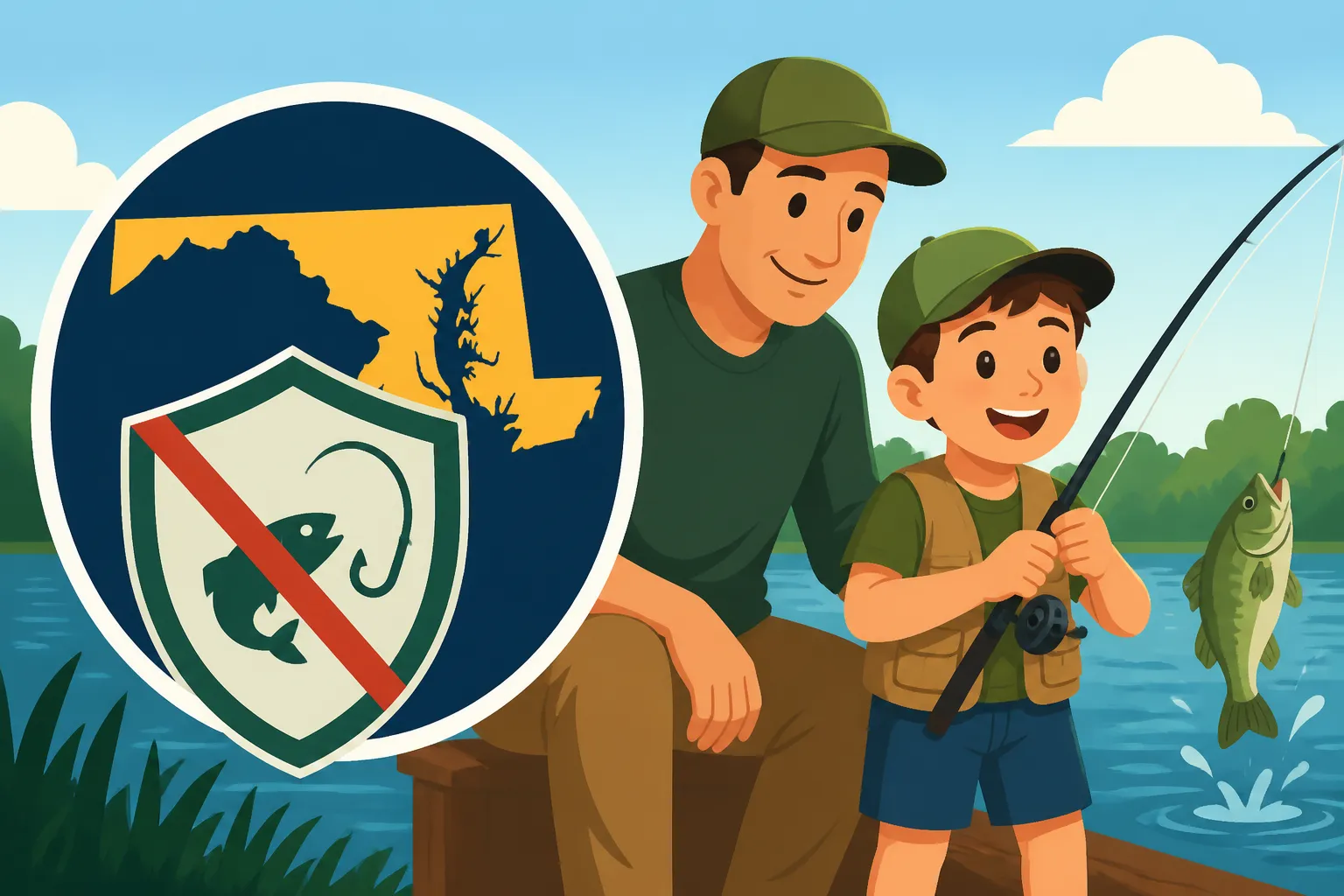
Let's cut right to the chase: in Maryland, anyone under the age of 16 can fish without needing a state fishing license. That's right, if your child, grandchild, niece, or nephew hasn't celebrated their 16th birthday yet, they are generally exempt from needing to purchase a Maryland Fishing License Guide for 2026. This is fantastic news for families looking to introduce the younger generation to the joys of angling, as it removes a significant barrier to entry.
This exemption applies across the board for most recreational fishing activities. Whether they're casting a line from a pier in the Chesapeake Bay or trying to reel in a largemouth bass from a local pond, as long as they're under 16, they don't need that piece of paper. The intent behind this rule is clear: to foster a love for fishing and conservation in young people from an early age, making it as accessible as possible. It's truly a thoughtful way to encourage outdoor recreation and ensure the future of angling in the state.
Tidal vs. Nontidal Waters and the Youth Exemption
Maryland is unique in that it has distinct regulations for its vast tidal waters (like the Chesapeake Bay and its tributaries) and its numerous nontidal freshwater bodies (rivers, lakes, and reservoirs). However, when it comes to the age exemption for fishing licenses, the rule remains consistent. The "under 16" exemption applies whether you're fishing in Maryland Nontidal vs Tidal Fishing License, Explained waters.
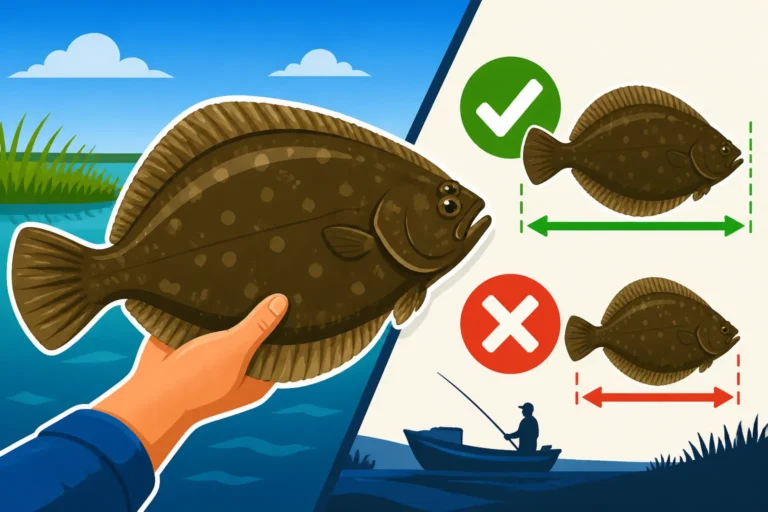
So, whether your aspiring young angler is trying to catch a spot in the brackish waters of the Patuxent River or patiently waiting for a bite at Deep Creek Lake, they still don't need a license if they're under 16. This uniformity simplifies things immensely for parents and guardians. You don't have to worry about different age limits based on the type of water you're fishing, which is a common point of confusion in other states. It means you can plan your family fishing adventures anywhere in Maryland with confidence, knowing that the same basic age rule applies to your younger companions. Just remember that while the license isn't required, all other fishing regulations, such as Maryland Fishing Size and Catch Limits by Species, still apply to everyone, regardless of age.
Special Considerations for Young Anglers in Maryland
While the general rule for anglers under 16 is wonderfully simple, there are a few nuances and specific scenarios that often come up. It's worth diving into these details to ensure you're completely clear on all the regulations, preventing any surprises on your fishing trip.
Do Kids Need a Trout Stamp or Other Special Permits?
This is a common question, especially for those looking to fish in Maryland's beautiful trout streams. Many states require special stamps or permits in addition to a general fishing license for certain species or designated waters. In Maryland, the good news continues: if a person is under 16 years of age, they are generally not required to purchase a Maryland Trout Stamp Requirements. This means they can fish for trout in stocked waters or wild trout streams without this additional expense or permit.
However, there's a small but important detail to be aware of if you're fishing with your child in a designated "put-and-take" trout water and you both intend to keep fish. The Maryland DNR states that if a youth under 16 wants to keep trout from put-and-take waters, they must fish under an adult's license and catch limit. This means the adult they are with does need to have a general fishing license and a trout stamp, and any trout kept by the child would count towards the adult's daily creel limit. This is less about the child needing a stamp and more about ensuring proper catch accounting. For the vast majority of cases, a child under 16 fishing recreationally is completely exempt from both general licenses and special stamps.
Fishing with a Licensed Adult: What You Need to Know
Many parents assume that if they have a valid fishing license, their child is automatically covered. While it's true that the child doesn't need their own license, it's important to understand the relationship between the adult's license and the child's exemption.
The child's exemption (under 16) is independent. Your child doesn't need to be "covered" by your license in the same way a boat might cover its passengers. Instead, they simply do not fall under the requirement to have a license at all. You, as the adult angler over 16, will need your own appropriate license, whether it's a Maryland Resident Nontidal Fishing License Cost or a Maryland Chesapeake Bay Sport Fishing License Cost, depending on where you're fishing. The child's ability to fish license-free doesn't negate your own responsibility to be properly licensed.
This setup makes it easy for families. The adult handles their licensing requirements, and the kids get to fish freely. Just make sure you understand the specific rules for any special regulations, like the trout stamp scenario mentioned above, or specific catch limits that apply to everyone on board, regardless of license status. It's always a good idea for the adult to keep a copy of their license easily accessible, perhaps on their phone or a printed copy, just in case DNR officers conduct a check.
Enjoying Maryland's Free Fishing Days
Maryland offers specific days each year when everyone, regardless of age, can fish in the state's waters without a fishing license. These Maryland Free Fishing Days are a fantastic opportunity for families and beginners to try out fishing without any financial commitment or licensing hassle.
These days typically occur a few times a year, often in early summer and sometimes in the fall. They're heavily promoted by the Maryland DNR and are designed to be a statewide invitation to explore fishing. Even if you're over 16 and usually need a license, you can fish freely on these designated days. For younger anglers who are already exempt, it means even less to think about – just grab a rod and go! It’s a perfect time to introduce friends or other family members to fishing who might be hesitant to buy a license right away. Always check the Maryland DNR website for the exact dates each year, as they can vary.
Why This Age Limit is a Win for Maryland Families
The straightforward age exemption isn't just a regulatory detail; it's a deliberate choice by Maryland to foster a love for the outdoors and fishing in its youngest residents. This approach offers significant benefits for families and the future of angling in the state.
Nurturing a Love for the Outdoors
Think about it: introducing a child to fishing often starts with a spur-of-the-moment decision. A sunny Saturday, a nearby pond, and suddenly, you're wondering, "Can we just go try it?" If there were a complicated licensing process or cost involved for every child, many of those impromptu trips might never happen. By exempting those under 16, Maryland actively removes a barrier, making it incredibly easy for parents, grandparents, and guardians to get kids outside, away from screens, and connected with nature.
This policy isn't just about catching fish; it's about building character. Fishing teaches patience, observation skills, environmental awareness, and a respect for wildlife. It's an activity that creates lasting memories and stories that kids will recount for years. Imagine your child's face lighting up as they feel that first tug on the line, or the quiet focus as they learn to cast. These are the moments that truly matter, and Maryland's age exemption ensures more families can experience them without unnecessary red tape. From simple bait fishing to trying out a kid-friendly fly rod, the lack of a license requirement opens up a world of possibilities for fostering a lifelong passion. Many families find that a simple spinning reel and some worms from a local tackle shop, or even an affordable starter kit from Amazon, is all it takes to get started.
Navigating Regulations with Confidence
The clarity of the "under 16" rule helps remove a lot of the anxiety that can come with understanding fishing regulations. When you know your child doesn't need a license, it simplifies trip planning immensely. You can focus on what bait to use, what fish to target, and where the best spots are, rather than worrying if you've got all the paperwork in order for every member of your party.
This confidence allows families to explore more of Maryland's diverse waters, from the bustling fishing piers along the coast to the tranquil streams of Western Maryland. While the license itself isn't required for kids, it's still crucial for adults to be aware of and abide by all other rules, such as daily catch limits, minimum sizes, and seasonal closures. The Maryland's DNR Fishing and Boating Guide, Explained is an invaluable resource for this, providing all the up-to-date information you'll need. Knowing that the basic licensing hurdle is removed for kids means you can dedicate your mental energy to ensuring everyone understands and respects these other vital conservation rules, setting a great example for the next generation.
Maryland's Age Rules Compared to Neighboring States
It's helpful to understand how Maryland's fishing license age requirements stack up against its neighbors, especially if you live near a state line or plan fishing trips outside the Old Line State. While many states have similar policies to encourage youth fishing, there can be subtle differences that are important to note.
A Regional Snapshot
Most states in the Mid-Atlantic region align closely with Maryland's "under 16" rule for fishing license exemptions. This consistency is a boon for anglers who might fish in multiple jurisdictions.
Here's a quick comparison of the general age exemptions for recreational fishing licenses in Maryland and its surrounding states:
| State | General Fishing License Required for Ages | Notes |
|---|---|---|
| Maryland | 16 and older | Anyone under 16 is exempt from needing a general fishing license and trout stamp. Special rules apply if fishing for trout under an adult's catch limit. |
| Virginia | 16 and older | Residents and non-residents 16 years of age and older need a fishing license. Special permits (e.g., for trout) may be required in addition to the general license. |
| Delaware | 16 and older | Anyone 16 years of age or older must have a valid fishing license. Special stamps or permits may apply. |
| Pennsylvania | 16 and older | Residents and non-residents 16 years of age and older require a fishing license. Additional trout/salmon and Lake Erie permits are often needed for those waters. |
| District of Columbia | 16 and older | For waters under the Potomac River Fisheries Commission (PRFC), the age limit is also 16 and older. Other specific DC waters may have slightly different requirements, but generally, 16 is the cutoff. You may even need to consider Combining a Virginia and Maryland Fishing License if fishing boundary waters. |
As you can see, the "16 and older" rule is a common standard in the region. This regional alignment simplifies things significantly for anglers who travel across state lines, but it's never a bad idea to double-check.
Always Check Local Regulations
While the age exemption might be consistent, remember that every other rule can vary widely from state to state, and even within different waters of the same state. For example, Maryland might have different Maryland Striped Bass Season and Rockfish Rules than Virginia, or different Maryland Blue Catfish Possession Rules. What's legal to keep in one state might be prohibited or have a different size limit in another.
If you're planning a trip to a neighboring state, always make it a priority to consult their specific DNR or fisheries website. Don't rely on assumptions based on Maryland's rules. A quick search for the state's fishing regulations guide will save you from potential headaches and ensure you're fishing legally and responsibly, no matter where your angling adventures take you. It's the best way to ensure a smooth and enjoyable experience, especially when navigating boundary waters like the Potomac River, which can involve multiple jurisdictions.
Practical Advice for Taking Kids Fishing in Maryland
Now that you're clear on the age requirements, let's talk about making that fishing trip with the kids as fun and stress-free as possible. It's not just about the rules; it's about the experience!
Essential Gear for Young Anglers
When taking kids fishing, simplicity is key. You don't need fancy, expensive equipment to get started. In fact, complicated gear can often lead to frustration for young hands.
- Rods and Reels: Look for combo kits designed for kids. These usually feature shorter rods (4-5 feet) and simpler spin-cast (push-button) reels that are easy for small fingers to operate. Brands like Zebco or Ugly Stik offer durable, kid-friendly options that you can often find affordably on Amazon or at local sporting goods stores like Bass Pro Shops or DICK'S Sporting Goods.
- Line: Start with monofilament line in the 6-10 lb test range. It's versatile for most panfish and smaller game fish and less prone to tangles than lighter lines.
- Hooks: Small, sharp hooks (size 6-10) are perfect for common Maryland species like sunfish, perch, and small bass. Consider using circle hooks, which are often safer for the fish and easier for kids to use.
- Bobbers: Nothing beats the excitement of a bobber disappearing under the water! Stick bobbers or round bobbers are great visual aids for kids to detect bites.
- Sinkers: A few split-shot sinkers will help get the bait down to where the fish are.
- Bait: Live bait is usually the most effective and exciting for kids. Worms, minnows, or even pieces of hot dog can work wonders. If you're going artificial, soft plastic grubs or small inline spinners can be effective. Again, you can find a huge variety of tackle and bait accessories, including pre-made tackle boxes for kids, on Amazon.
- Safety Gear: Don't forget essentials like life vests (especially if fishing near or on water), sunscreen, hats, bug spray, and plenty of water and snacks. A small first-aid kit is also a good idea. Having a dedicated tackle box, perhaps purchased from Amazon, can also make them feel like a real angler.
Remember, the goal is fun, not necessarily a trophy catch. Easy-to-use gear and exciting bait will go a long way in keeping their interest piqued.
Discovering Kid-Friendly Fishing Spots
Maryland is blessed with an abundance of accessible and productive fishing spots perfect for families. The key is to choose locations that offer easy access, relatively safe conditions, and a good chance of catching something, even if it's small.
- Piers and Docks: Public fishing piers are fantastic for kids. They offer safe, stable platforms, often have amenities like restrooms, and don't require a boat. Many of these locations fall under the Maryland Fishing License for Piers and Shore Access rules, meaning no state license is needed if it's a designated recreational pier, but the age exemption for kids still applies universally. Sandy Point State Park, Point Lookout State Park, and various community piers along the Chesapeake Bay are great options.
- State Parks and Public Lakes: Numerous state parks and public lakes across Maryland are regularly stocked with fish and have easy shore access. Places like Greenbrier State Park Lake, Rocky Gap State Park, and Unicorn Lake are known for good panfish and bass opportunities. These often have playgrounds or picnic areas, making it a full family outing.
- Community Ponds: Many towns and communities have small ponds that are easy for kids to fish. They're often well-maintained and stocked. Check with your local parks and recreation department for options near you.
- Charter Boats: For a truly special experience, consider a family-friendly charter boat. While the captain will have the necessary licenses, and you, as the adult, will need your own, your kids will enjoy the thrill of being on a bigger boat and often have a better chance at catching larger fish. Most charter boats cater to families and provide all the necessary gear. You can find options for Maryland Chesapeake Bay Fishing Charters, What to Expect.
No matter where you go, a little planning can make all the difference. Check recent fishing reports for the area you plan to visit, and always let someone know where you're going and when you expect to return. And remember, the real catch is the quality time spent together!
Disclaimer
The information provided in this guide is for general informational purposes only and is subject to change. While we strive to keep the content accurate and up-to-date, fishing regulations, license requirements, and seasonal rules can change frequently. Always consult the official Maryland Department of Natural Resources (DNR) website or their current printed regulations guide for the most accurate and up-to-date information before planning your fishing trip. Failure to comply with fishing regulations can result in fines or penalties.