Best Time to Book a Winter Charter in Maryland
Trying to figure out the perfect time to book a winter fishing charter in Maryland can feel like you're trying to solve a complicated puzzle, especially when you're battling the uncertainty of cold weather and fluctuating fish patterns. You might be wondering if it's even worth it, or if you'll just end up bundled up and shivering with no fish to show for it. But let me tell you, winter fishing in Maryland offers some truly unique and rewarding experiences that many fair-weather anglers miss out on. This guide will walk you through everything you need to know to pick the absolute best time to secure your winter fishing adventure, ensuring you make the most of those chilly but often productive days on the water.
The Allure of Winter Fishing in Maryland
When the leaves have fallen and a crisp chill hangs in the air, many anglers might think about hanging up their rods until spring. But for those in the know, winter fishing in Maryland, particularly on the Chesapeake Bay and its tributaries, can be incredibly rewarding. It’s a completely different vibe out on the water – one that offers tranquility, unique challenges, and often, some fantastic catches that elude us during the busier seasons. Don't let the idea of cold keep you from experiencing a truly special side of Maryland angling.
Peace, Quiet, and Fewer Crowds
One of the most undeniable perks of a winter fishing charter is the sheer lack of crowds. During the warmer months, popular fishing spots can feel like Grand Central Station, with boats jostling for position and anglers casting over each other. Come winter, that all changes. The waterways become much quieter, offering a sense of solitude that's hard to find any other time of year. Imagine having prime fishing grounds almost to yourself, with nothing but the sounds of the water and the gulls to accompany your cast. This peaceful atmosphere can make for a much more relaxing and focused fishing experience, allowing you to truly connect with the outdoors and your passion for angling. It's a fantastic escape from the hustle and bustle, providing a serene backdrop for your pursuit of winter trophies.
For those who cherish quiet moments and uncrowded waters, winter charters are a hidden gem. You'll often find that even popular fishing destinations that are packed in summer, like areas around the Chesapeake Bay Bridge or major river mouths, become remarkably serene. This can also lead to less fishing pressure on the fish, which might translate into more willing bites when you do find them. The camaraderie on a winter charter can also feel different, often more tight-knit, as you and your fellow anglers share the unique experience of braving the elements for the love of the sport. It's a chance to see Maryland's natural beauty in a different light, devoid of the summer haze and activity.
Targeting Resilient Winter Species
While some species slow down or migrate in winter, others become prime targets, or even offer unique catch-and-release opportunities. This is where the magic of winter fishing truly shines. The cold water often makes fish more lethargic, meaning they expend less energy and sometimes become concentrated in deeper channels or thermal refuges, making them easier for skilled captains to locate. You might not have the sheer variety of summer, but the quality of the fishing for certain species can be exceptional.
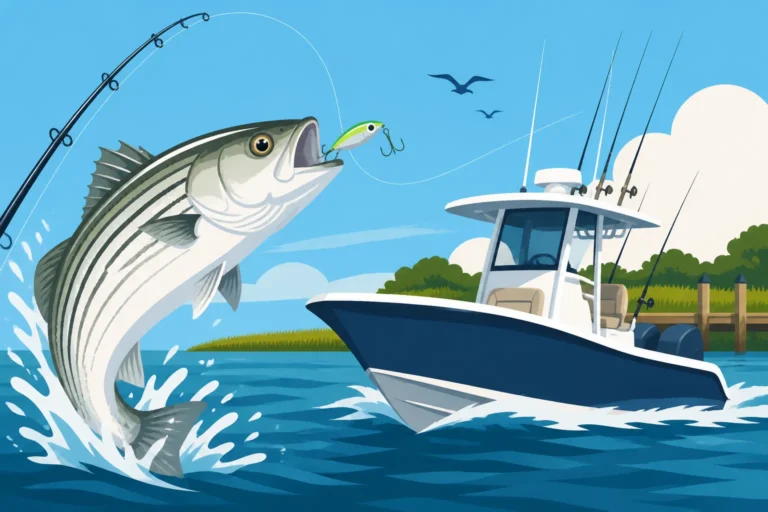
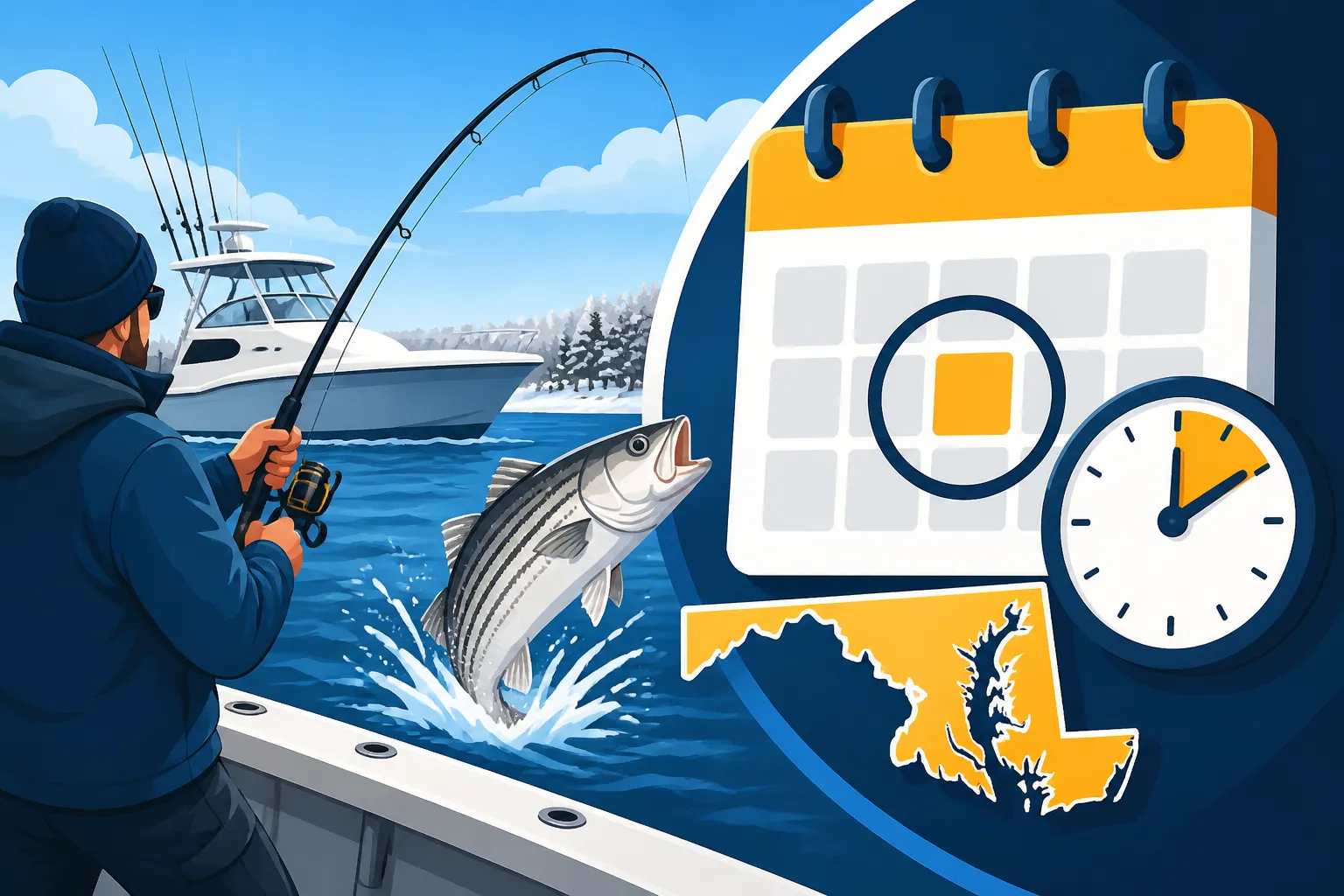
One of the biggest draws for many is the Maryland's Winter Catch and Release Striped Bass Season. While you can't keep these magnificent fish, the chance to battle a big rockfish on a quiet winter day is an experience many anglers cherish. These powerful fish offer an incredible fight, and the satisfaction of a successful catch and release is immense. Beyond striped bass, many anglers target yellow perch as they begin their pre-spawn staging in late winter, particularly in the upper reaches of the Bay's tributaries. Pickerel are another cold-water warrior, often found lurking in shallow, vegetated areas of tidal creeks and nontidal lakes, providing aggressive strikes even when temperatures drop. Don't forget the burgeoning populations of invasive species like blue catfish, which are active year-round and offer excellent table fare, with no limit on how many you can keep in many areas. Maryland Blue Catfish Limit, or Lack of One
Navigating Maryland's Winter Fishing Calendar
Understanding the nuances of Maryland's winter fishing calendar is crucial for booking your charter at the optimal time. Winter isn't just one static block of cold; it transitions, and with those transitions come different opportunities and challenges for anglers. Knowing what to expect during each phase can significantly improve your chances of a successful and enjoyable trip. The movements of fish and the stability of weather patterns dictate a lot, so let’s break it down.
Early Winter (December) Opportunities
December often serves as a bridge between the busy fall run and the deeper cold of mid-winter. The weather can be a bit of a gamble – you might get a few unseasonably warm days, or a sudden cold snap. This variability makes it an interesting time for charter fishing. Striped bass are still a primary target, often consolidating in deeper channels of the main Bay or larger rivers as they prepare for their wintering grounds. While the frantic fall blitzes might be winding down, focused jigging or live-lining can still produce some impressive catches.
Additionally, bottom fishing for white perch can remain strong, especially in the deeper holes of tidal rivers before they become too lethargic. Some of the last remnants of fall fishing, like targeting yellow perch in their early stages of congregation, might also be possible if the water hasn't cooled too drastically. Charters in December often benefit from fewer boats on the water compared to October or November, offering a more relaxed experience while still having a good chance at desirable species. It’s a great time to hit the water if you're looking to extend your fishing season just a little longer before the true grip of winter sets in.
Mid-Winter (January-February) Challenges and Rewards
January and February represent the coldest, and often the most challenging, period for winter fishing in Maryland. Ice can become a significant factor in some nontidal areas and even shallow tidal creeks, making boat access difficult or impossible. However, for those willing to brave the chill, these months can offer some of the most unique and rewarding experiences. This is prime time for the official Maryland's Winter Catch and Release Striped Bass Season, where anglers bundle up to target larger, resident rockfish in the deeper parts of the Chesapeake Bay. It's a test of endurance and patience, but the potential for a memorable fight with a trophy-sized striped bass is very real.
In nontidal waters, species like yellow perch, crappie, and even chain pickerel can be targeted through the ice in locations like Deep Creek Lake, provided conditions are safe. Some reservoirs might also offer good opportunities for these species. For those fishing open water, focusing on areas with stable water temperatures, such as deep channels or power plant discharges, can be key. The challenges in mid-winter are primarily weather-related – cold temperatures, wind, and potential for snow or ice. This means flexibility in your booking is paramount, as captains often need to reschedule due to unsafe conditions. However, the rewards, from the serene beauty of a winter landscape to the thrill of a cold-water catch, are often well worth the effort. For more general advice, you might want to read Cold-Weather Fishing Tips for Maryland's Chesapeake Bay.
Late Winter (March) Transition Periods
As March rolls around, Maryland begins its slow but steady transition from winter to spring, bringing with it a renewed sense of hope for anglers. While still technically winter, this month often sees longer daylight hours, gradually warming water temperatures, and the stirrings of fish activity. This is a fantastic time to book a charter, as fish are starting to move more, but the fishing pressure from the spring season hasn't quite ramped up yet.
One of the biggest draws in late winter is the highly anticipated yellow perch spawning run. As water temperatures creep into the upper 40s, these tasty panfish move en masse into the shallow, freshwater reaches of tidal rivers and creeks, offering some of the fastest action of the year. Booking a charter specifically for yellow perch in late March can result in incredible catches. Striped bass are also becoming more active, though still under catch-and-release regulations for the most part, as they begin their pre-spawn movements. Freshwater species in lakes and rivers also become more active, making it a great time for targeting bass and other panfish before the heavy spring rains and fishing pressure fully set in. March offers a sweet spot where winter's challenges begin to recede, and spring's bounty is just around the corner, making it a very appealing time for a charter.
Key Considerations for Booking Your Winter Charter
Booking a winter fishing charter isn't quite the same as booking one in the peak of summer. The colder months introduce a set of unique variables that you absolutely need to factor into your decision-making process. From unpredictable weather to the specific habits of winter fish, understanding these considerations will help you choose the best time and make the most of your investment. It's all about managing expectations and planning smart.
Weather Volatility and Flexible Planning
This is perhaps the single biggest factor when considering a winter charter. Maryland winters are notoriously fickle. One day can be mild and sunny, perfect for fishing, and the next can bring biting winds, freezing rain, or even snow, making conditions unsafe or simply miserable. Unlike summer, where a little rain rarely cancels a trip, severe winter weather can force postponements. This means that when you book a winter charter, you need to be prepared for the possibility of rescheduling.
It's highly advisable to book with a captain who offers a flexible cancellation or rescheduling policy for weather-related issues. Don't be rigid with your dates if you can help it; having a few backup dates in mind, or being able to shift your trip by a day or two, can be the difference between a great day on the water and a canceled trip. Always check the long-range forecast, but also understand that winter forecasts can change rapidly. A good captain will prioritize your safety and comfort, and they won't hesitate to call off a trip if conditions are unfavorable. Be patient and understanding if this happens; it's always for the best.
Captain Availability and Demand Dynamics
The demand for fishing charters generally dips significantly during the winter months compared to spring or fall. Many captains scale back their operations, take time off, or focus on boat maintenance. This can be a double-edged sword: on one hand, there might be fewer boats available overall. On the other, the boats that do operate might have more open dates than during peak season. This lower overall demand means you often won't need to book months in advance for specific dates, though popular captains will still fill up their prime weekend slots, especially if a good weather window is forecasted.
It’s a good idea to start looking a few weeks to a month ahead, particularly for weekend trips, but you might find last-minute openings too. The key is to find captains who specialize in or genuinely enjoy winter fishing. These are the folks who have the right gear (heated cabins are a huge plus!), the knowledge of winter fish patterns, and the resilience to handle the colder conditions. Don't assume all captains fish year-round; always confirm their winter availability and expertise before booking. Platforms like FishingBooker can be really useful for seeing who's running trips and reading reviews about their winter performance. If you're wondering about general timing, consider exploring Best Time of Year to Fish in Maryland for a broader perspective.
Matching Your Target Species to the Season
Different fish species have different tolerances and behaviors in cold water, and their activity levels dictate the best time to target them. If you have a specific species in mind for your winter outing, knowing its peak activity window during the cold months is paramount. For instance, if your heart is set on catching and releasing a big striped bass, mid-winter (January-February) often offers the best chance at finding concentrated schools, though you'll be dealing with colder overall conditions.
If you're after delicious yellow perch, late winter into very early spring (late February-March) when they begin their spawning runs will be your prime time. Chain pickerel are active throughout the winter in tidal and nontidal freshwater systems. Blue catfish are also a year-round target, often found in deep holes in rivers like the Potomac and Susquehanna. Knowing what you want to catch helps narrow down your booking window. Don't book a January trip hoping for a huge variety of species like you'd get in May; set realistic expectations based on the season. Discuss your target species with your prospective captain to ensure they can accommodate your preferences and that the timing aligns with the fish's behavior.
Making Your Winter Charter Booking Seamless
Booking a winter charter doesn't have to be a headache, even with the added variables of cold weather. With a bit of foresight, good communication, and leveraging the right resources, you can ensure a smooth process from initial inquiry to a memorable day on the water. The goal is to set yourself up for success and minimize any potential frustrations that might arise from winter's unpredictability.
The Importance of Early Communication
This cannot be stressed enough: talk to your captain! While winter demand might be lower, proactive communication is your best friend. Don't just book online and show up. Reach out to the captain directly before you finalize your booking, even if you're using a platform like FishingBooker. Discuss your expectations for the trip, your target species, and, most importantly, their policies regarding weather cancellations or postponements. Ask about their contingency plans for extreme cold, wind, or ice.
A good captain will appreciate your questions and be transparent about what's possible during the winter months. They can offer invaluable insights into recent fishing patterns, current water conditions, and what kind of gear you should bring. This dialogue ensures that both parties are on the same page, preventing misunderstandings and making sure your trip is tailored as much as possible to current conditions. It also helps you gauge their professionalism and expertise, which is particularly important for cold-weather fishing.
Leveraging Online Platforms for Research and Booking
In today's digital age, online booking platforms have become indispensable tools for finding and securing fishing charters, and winter is no exception. Sites like FishingBooker allow you to browse available charters, compare prices, read reviews from other anglers (which can be super helpful for getting a sense of a captain's winter success), and often communicate directly with the captain. These platforms simplify the process of finding a boat that's actively running trips during the colder months, which might be harder to do by just searching individual captain websites.
When using these platforms, pay close attention to the descriptions of the boats and the services offered. Look for mentions of heated cabins, enclosed spaces, or other amenities that make cold-weather fishing more comfortable. Filter by location if you have a specific area in mind, like Annapolis or Solomons Island. While these platforms are fantastic for initial research and booking, remember our previous point: follow up with a direct conversation with the captain to iron out any winter-specific details. This blend of online convenience and personal communication is key to a successful winter charter booking.
Essential Questions to Ask Before Committing
Before you put down a deposit, make sure you've asked your potential captain a few critical questions. These queries will help ensure you're fully prepared and that the charter can meet your winter fishing needs.
Here’s a handy list:
- What is your weather cancellation policy? (Crucial for winter!)
- Do you have a heated cabin or enclosed space on the boat? (A game-changer for comfort.)
- What species are we most likely to target given the time of year and current conditions? (Sets realistic expectations.)
- What should I wear/bring to stay warm? (They know their boat and the local conditions best.) You can also check out What to Wear on a Chesapeake Bay Fishing Charter.
- Are fishing licenses included, or do I need to purchase one beforehand? (Most charters cover the boat license, but confirm for individual anglers. You might also ask Do You Need a License for a Maryland Fishing Charter?)
- Are rods, reels, and bait provided, or should I bring my own?
- What's your policy on fish cleaning and bagging the catch?
- What are the best days or periods in the coming weeks for a winter trip, based on your experience and recent weather trends? (Leverage their local knowledge!)
Asking these questions will not only help you plan better but also give you confidence in your choice of captain, making your winter fishing adventure much more enjoyable.
| Winter Fishing Period | Primary Target Species | Typical Weather Challenges | Booking Recommendation |
|---|---|---|---|
| Early Winter (Dec) | Striped Bass (C&R), White Perch, Yellow Perch (early staging) | Variable; potential for mild days but also sudden cold snaps | 2-4 weeks out, more flexibility for weekdays |
| Mid-Winter (Jan-Feb) | Striped Bass (C&R), Yellow Perch (late staging), Crappie, Pickerel, Blue Catfish | Coldest, highest risk of ice, wind, and severe weather | 1-3 weeks out, high flexibility for rescheduling required |
| Late Winter (Mar) | Yellow Perch (spawning runs), Striped Bass (C&R, pre-spawn), Crappie, Largemouth Bass | Warming, but still potential for cold fronts and rain | 3-5 weeks out, especially for prime yellow perch dates |
Disclaimer
This article is for general informational purposes only and does not constitute professional advice. Laws, prices and regulations vary by location and change over time. Consult a qualified professional for guidance on your specific situation.