Do You Need a License for a Maryland Fishing Charter?
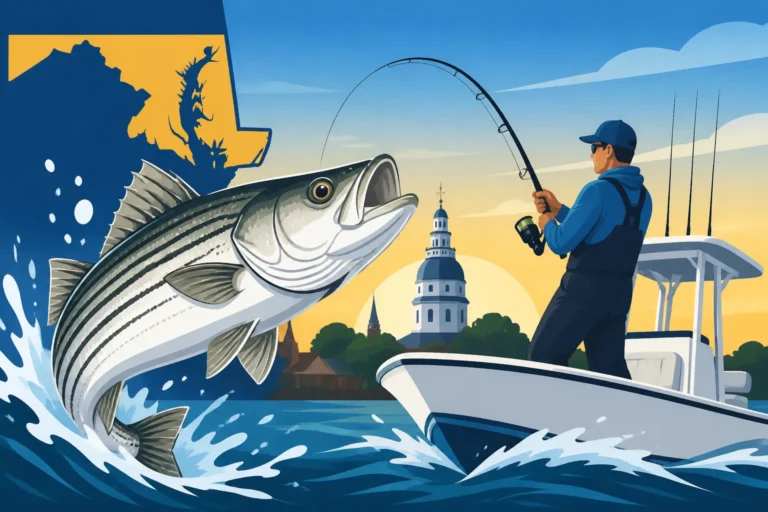
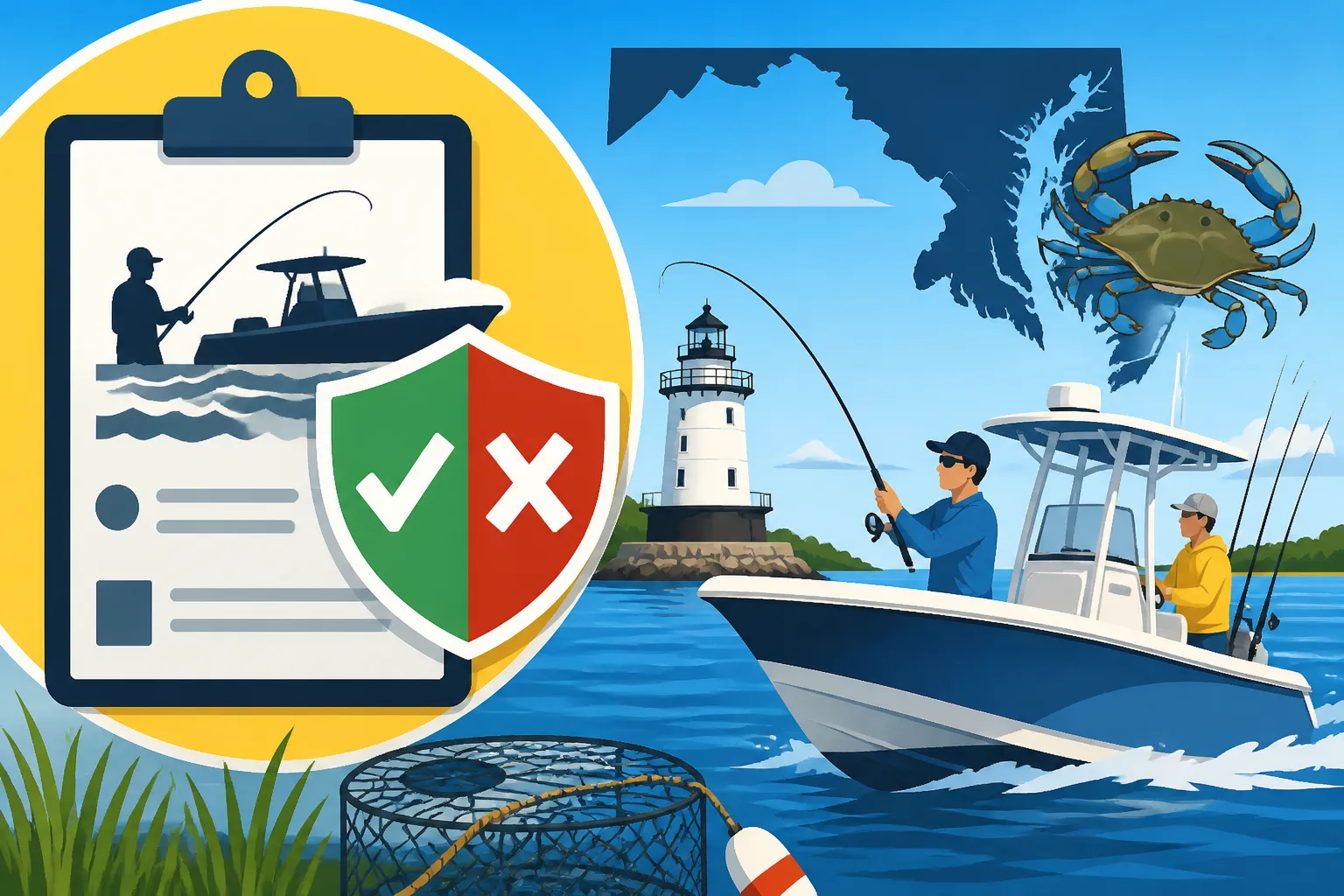
One of the most common questions I hear from folks excited about hitting the waters of the Chesapeake Bay or Maryland's coastal areas on a fishing charter is, "Do I need my own fishing license for this trip?" It’s a completely valid concern, as fishing without the proper license can lead to fines and spoil an otherwise perfect day on the water. This guide is here to clear up that confusion, explaining exactly how Maryland's fishing charter license system works and what you, as a passenger, need to know to ensure your outing is fully compliant and stress-free.
Understanding Maryland's Charter License System
Embarking on a fishing charter in Maryland is an incredible experience, offering access to prime fishing grounds and the expertise of seasoned captains. However, the legalities surrounding licenses can feel like a tangled line. The good news is, for the vast majority of recreational anglers stepping onto a for-hire vessel, the captain's license typically has you covered. It's a system designed to simplify things for passengers while ensuring all fishing activities remain regulated.
The Master License: How It Works for You
When you book a trip with a legitimate Maryland fishing charter, whether it's for striped bass in the Bay or flounder off Ocean City, you're essentially covered under the captain's "master" fishing license. This isn't just any old license; it's a specific type of commercial license issued by the Maryland Department of Natural Resources (DNR) that permits the vessel and everyone aboard to engage in recreational fishing. Think of it as a blanket permit that extends to all paying passengers. The captain has gone through the rigorous process of obtaining this license, which includes demonstrating their knowledge of fishing regulations, safety, and often, having a Coast Guard captain's license as well.
This master license is a huge convenience. It means you don't have to worry about purchasing your own individual Maryland tidal or nontidal fishing license before your trip. The cost and responsibility for ensuring legal compliance for the act of fishing itself fall squarely on the charter operator. They are the professionals, and part of their service is ensuring everyone aboard is legally permitted to fish. This applies whether you're trolling for rockfish, jigging for perch, or bottom fishing for croaker. It's truly a hassle-free way to enjoy Maryland's abundant fisheries.
Recreational Angler Registration vs. Charter Coverage
Now, you might have heard about Maryland's free Saltwater Angler Registration and wonder if that applies to you on a charter. It's another point of confusion for many anglers. If you're fishing recreationally in tidal waters, like the Chesapeake Bay or its tributaries, from a private boat, a pier, or the shore, you do need to be registered with the Maryland DNR, or hold a valid tidal fishing license. This registration helps the DNR collect vital data on fishing effort, which is crucial for managing fish populations effectively.
However, if you are a paying passenger on a licensed charter boat, you are generally exempt from this individual registration requirement. The charter captain, through their master license, is already part of the regulated reporting system. They might be required to report their overall catch, and that data contributes to the same fishery management goals. So, rest assured, while angler registration is important for solo adventures or private boat trips, it's typically not something you need to fret about when you're with a professional charter. This streamlined approach allows you to focus purely on the thrill of the catch and enjoying the beautiful Maryland scenery. For more details on this, you can check out Maryland Saltwater Angler Registration Requirements.
What a Charter's License Does Cover for Passengers
It’s truly a relief knowing that your captain's license usually covers your fishing activities. But it's helpful to understand the scope of that coverage. What exactly is included when you step aboard a licensed charter boat in Maryland? It covers the core activity you're there for: fishing.
Species and Gear Covered Under the Charter's Umbrella
The beauty of a licensed charter is that it generally covers the pursuit of all legally catchable fish species within Maryland waters that the charter operates in. So, whether you're targeting the prized striped bass, also known as rockfish, or aiming for some delicious white perch, bluefish, or even venturing offshore for tuna or mahi-mahi, your ability to legally fish for these species is covered. This extends to various fishing methods as well. Trolling with multiple lines, jigging, bottom fishing, or even casting artificials – as long as it's a legal method for the species and season, the charter's license permits it for all onboard.
This comprehensive coverage also typically extends to the gear you use while on the charter. The captain usually provides all necessary rods, reels, tackle, and bait. You don't need a separate license for using their equipment, nor do you typically need one if you bring your own gear to use exclusively during the charter trip. The focus is on the activity of fishing from their licensed vessel, not on the individual angler's personal equipment. It’s all part of the packaged experience, making it incredibly convenient for both seasoned anglers and first-timers alike. Many charters even clean and fillet your catch at the end of the day, a bonus service that’s legally permitted under their operational umbrella.
Exceptions and Special Endorsements
While the charter's master license is broad, it's important to understand that it covers recreational fishing as defined by Maryland DNR. This means adherence to all state fishing regulations, including size limits, catch limits, and seasonal restrictions for particular species. For instance, if you're out during Maryland Striped Bass Season and Rockfish Rules, you'll still need to respect the slot limits and daily creel limits as prescribed by law. The captain is responsible for knowing and enforcing these rules aboard their vessel, and they'll guide you through them.
There are also specific endorsements that a charter captain might hold, which can affect what they can legally offer. For example, some specialized charters might focus exclusively on fly fishing or offer unique multi-day trips. These activities are still covered under their general charter licensing, provided they adhere to all relevant regulations. The key takeaway here is that while your individual license is waived, the overarching fishing laws of Maryland are still very much in effect and are strictly enforced by the captain. It’s always a good idea to chat with your captain when Booking a Striped Bass Charter in Maryland or any other type of trip, to clarify what species they will be targeting and how they adhere to all current regulations.
When an Individual License Might Still Be Necessary
While a Maryland fishing charter almost always covers your fishing license needs while you're on the charter boat, there are a few scenarios where an individual fishing license could still come into play. It's all about where and how you're fishing.
Fishing Before or After Your Charter
Let's say you're planning a full weekend of fishing in Maryland. You've got a charter booked for Saturday, but you arrive Friday afternoon and want to try your luck from a local pier, or perhaps you want to cast a line from the shore on Sunday morning. In these instances, your charter captain's license does not extend to your independent fishing activities. If you plan to fish recreationally from a pier, jetty, private boat, kayak, or the shore outside of your booked charter time, you absolutely need your own valid Maryland fishing license or Saltwater Angler Registration, depending on whether you're in tidal or nontidal waters.
For example, if you're staying in Ocean City and decide to spend a few hours fishing the Ocean City Inlet from shore before your offshore tuna charter, you'd need the appropriate tidal license or registration for your personal shore fishing. The same goes if you're near Annapolis and want to try Fishing Sandy Point State Park from the pier a day before your Chesapeake Bay charter. Your charter booking only covers you when you are actively fishing under the direction and direct supervision of your licensed captain on their vessel. Planning for these extra fishing opportunities means checking out How to Buy a Maryland Fishing License ahead of time.
Specialized Fishing That Falls Outside Standard Charters
While the vast majority of traditional fishing charters in Maryland will have you covered, there might be extremely niche or specialized situations where an individual license or additional permit could be required, though these are quite rare for typical recreational anglers. For instance, if a "charter" were set up in a way that wasn't primarily focused on recreational angling (e.g., a scientific survey vessel where you're assisting with research rather than conventional fishing), the licensing might be different. However, for a standard recreational fishing trip, this isn't a concern.
Another important distinction is if you're participating in a unique event, such as a tournament where the rules or certain prize structures might implicitly require individual registration beyond the charter's coverage. Always double-check tournament rules if you're participating. If you happen to be on a private boat, not a for-hire charter, then each individual angler would certainly need their own license or registration. The key is understanding that a for-hire, licensed charter boat is the specific entity that provides the license coverage for its passengers. If your outing deviates from this definition in any way, it's wise to clarify the licensing requirements beforehand.
Here's a quick reference table to help visualize the difference:
| Activity | Individual Fishing License/Registration Required? | Covered by Charter Captain's License? |
|---|---|---|
| Fishing as a paying passenger on a licensed charter boat | No | Yes |
| Fishing from a private recreational boat | Yes | No |
| Fishing from shore or a pier | Yes | No |
| Kayak fishing independently | Yes | No |
| Fishing for commercial purposes | No (requires commercial license) | No (different license type) |
| Assisting on a scientific research vessel | Possibly (depends on project) | No |
Ensuring Your Charter is Properly Licensed and Legal
The peace of mind that comes from knowing your fishing license is covered by your charter captain is immense. But how do you ensure the charter you're booking is legitimate and properly licensed? This is a crucial step for your safety and legal compliance.
How to Verify Your Captain's Credentials
Before you ever step foot on a boat, it’s a smart move to verify the captain's credentials. Reputable charter captains are proud of their licenses and certifications, and they should be transparent about them. First and foremost, a Maryland charter captain must hold a valid U.S. Coast Guard (USCG) Captain's License. This license ensures they have met rigorous standards for seamanship, navigation, safety, and first aid. You can usually ask for their license number or even check for it on the boat itself, as it’s often displayed. Beyond the USCG license, the boat itself needs to be registered as a for-hire vessel with the state of Maryland, and the captain must possess the specific Maryland DNR "Tidal Fish For Hire" or similar commercial license that covers their passengers.
Don't be shy about asking questions when you're inquiring about a trip. A good captain will be happy to explain their licensing and how it applies to you. You can ask directly, "Are you fully licensed and insured, and does your license cover all passengers for fishing?" Look for charters that openly display their credentials on their websites or at their marina offices. Remember, part of the charter's cost covers the extensive training, licensing, and insurance required to operate safely and legally. Ensuring your captain is fully licensed is not just about avoiding fines; it’s primarily about your safety on the water. For further reading, see Choosing a Licensed Captain in Maryland.
What to Look For When Booking Your Trip
When you're browsing for a charter, whether through a local marina, word-of-mouth recommendations, or online platforms, there are clear indicators of a legitimate operation. Firstly, transparency is key. Look for charters that clearly state they are "licensed and insured" and mention that "all fishing licenses for passengers are covered." A professional charter will also have a clear booking process, often requiring a deposit, and will provide a detailed confirmation.
Online booking platforms can be a huge asset here. Websites like FishingBooker often pre-verify captain's licenses and display customer reviews, giving you an added layer of confidence. When using such platforms, pay attention to the captain's profile, certifications listed, and what previous anglers say about their experience. If a deal seems too good to be true, or if a captain is vague about their licensing, it's a red flag. Always prioritize safety and legal compliance over a bargain price. A properly licensed charter ensures that you're not just getting a great fishing trip, but a safe and worry-free one too. Before you commit, it’s always smart to read reviews and confirm details, just as you would for any other professional service. You can also explore options for Maryland Chesapeake Bay Fishing Charters, What to Expect to get a better sense of standard practices.
Ultimately, your goal is to have a fantastic day reeling in fish, not to worry about legal technicalities. By understanding that a licensed Maryland fishing charter takes care of your individual fishing license needs, and by taking a few moments to verify your captain's legitimacy, you can truly relax and enjoy everything Maryland's incredible waters have to offer. So go ahead, book that trip, and get ready to make some memories on the water!
Disclaimer
This article is for general informational purposes only and does not constitute professional advice. Laws, prices and regulations vary by location and change over time. Consult a qualified professional for guidance on your specific situation.