Where Maryland’s Trout Stamp Money Goes
Maryland trout stamp revenue directly funds state hatchery operations, stocking programs, and cold-water habitat conservation projects.
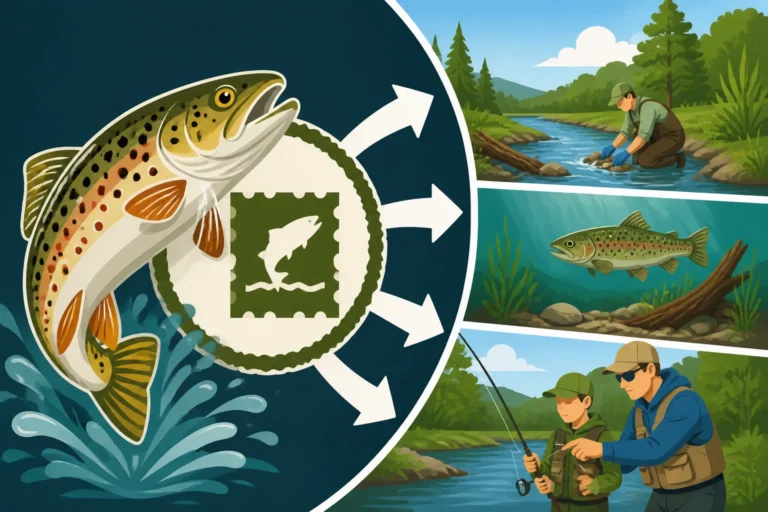
Maryland trout stamp revenue directly funds state hatchery operations, stocking programs, and cold-water habitat conservation projects.
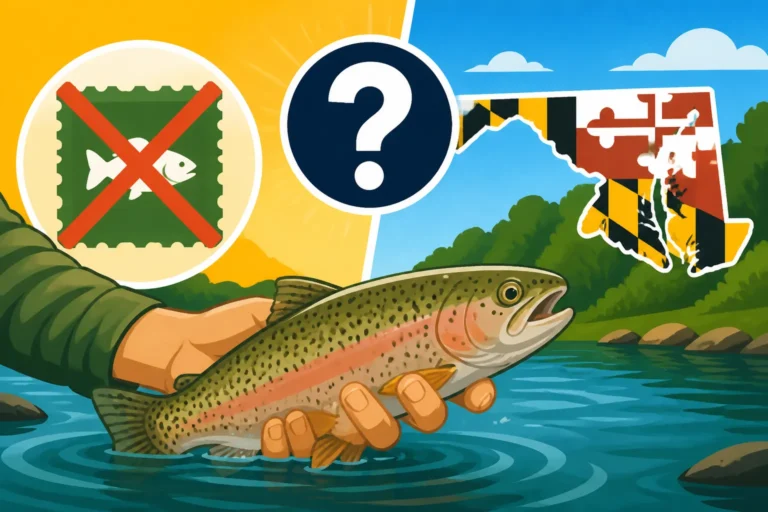
Maryland trout stamp rules require anglers to purchase an endorsement for catch and release fishing in designated streams.
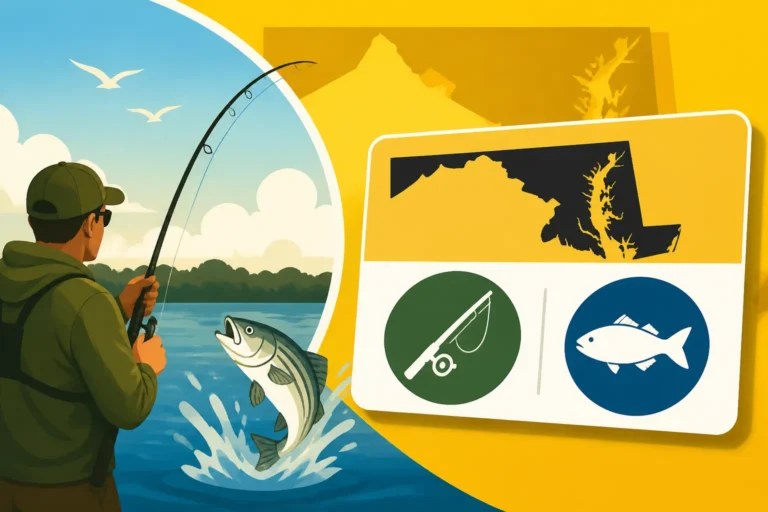
Maryland two-pole endorsements allow anglers to fish with two rods simultaneously in nontidal freshwater locations across the state.
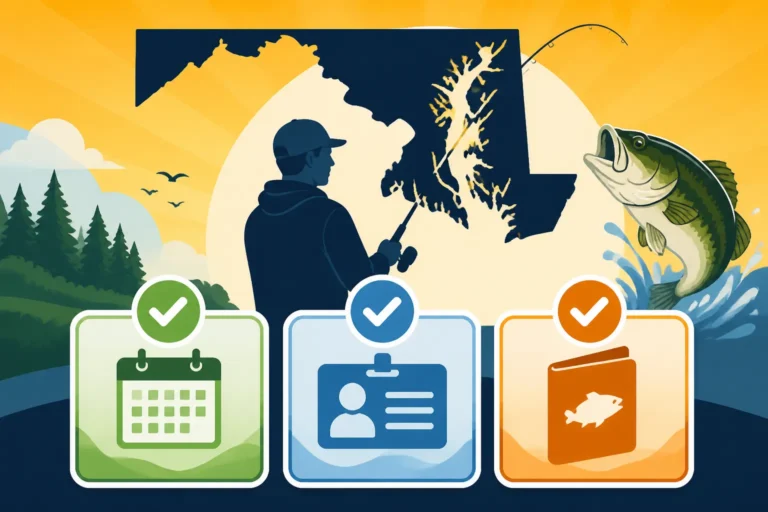
Maryland fishing license options compare tidal Chesapeake Bay waters, nontidal freshwater reservoirs, and resident residency requirements.
Maryland fishing license options for weekend trips explained, covering tidal and nontidal waters, residency, and short-term choices.
Maryland nonresident fishing license options, tidal and nontidal waters, fees, and conservation funding for visitors staying a week.
Maryland fishing charter passenger license requirements determine if anglers need individual permits aboard Chesapeake Bay commercial vessels.
Maryland charter boat licenses and the Commercial Tidal Fish License explain passenger coverage on Chesapeake Bay trips.

Maryland fishing regulations require separate permits for tidal Chesapeake Bay waters and nontidal freshwater lakes and rivers.
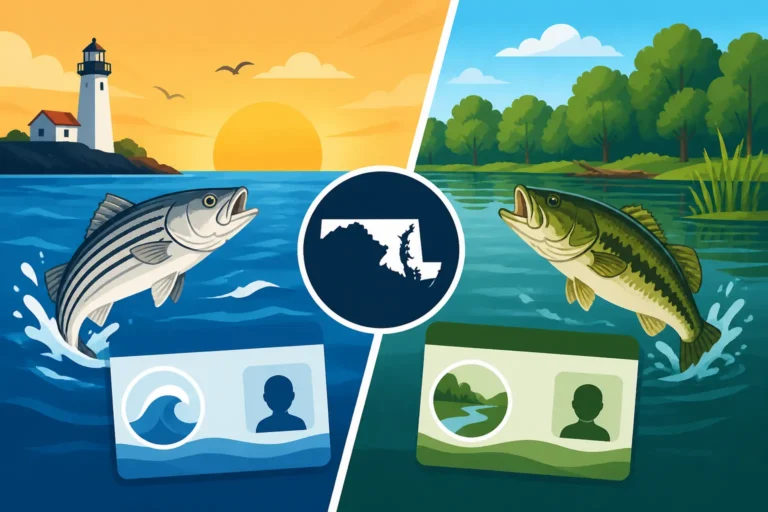
Maryland fishing license differences explain tidal and nontidal water classifications, defining required permits for Chesapeake Bay or freshwater locations.