Fishing the Chester River Near Chestertown
Navigating a new fishing spot can feel like trying to solve a complicated riddle, especially when you're aiming for a specific area like the Chester River near Chestertown. Many anglers find themselves scratching their heads, wondering where the best access points are, what fish are biting, and which techniques actually work in these unique waters. This comprehensive guide is here to untangle that confusion, offering you an in-depth look at everything you need to know for a successful and enjoyable fishing adventure on the Chester River, right in the heart of Chestertown.
The Allure of the Chester River Near Chestertown
The Chester River is one of those quintessential Chesapeake Bay tributaries that just oozes fishing potential. Flowing gently through Maryland's Eastern Shore, its waters offer a diverse habitat for an array of species, making it a favorite among both local and visiting anglers. Near Chestertown, the river takes on a character that's both historic and teeming with life, providing a charming backdrop to your fishing escapades. It's not just about the fish; it’s about the experience of casting a line in a serene environment, surrounded by the natural beauty of the Eastern Shore.
Understanding the River's Unique Ecosystem
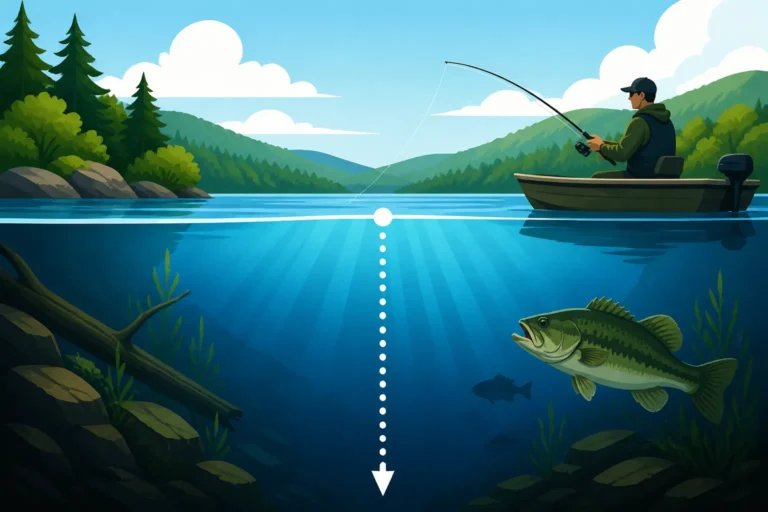
The Chester River's ecosystem is a fascinating blend of tidal freshwater and brackish water, heavily influenced by its connection to the Chesapeake Bay. This mix creates a rich environment supporting a wide variety of fish. Upriver, closer to the freshwater sources, you'll find species typical of ponds and lakes. As you move downstream towards Chestertown, the water becomes increasingly brackish, introducing a whole new set of species that thrive in the mix of fresh and saltwater. This dynamic shift in salinity is key to understanding where different fish might be holding at various times of the year. The riverbed itself is often a mix of mud, sand, and submerged grasses, offering excellent cover and feeding grounds for many species. These submerged grasses, or SAV (Submerged Aquatic Vegetation), are vital nurseries for juvenile fish and attract baitfish, which in turn attract predators.
You might also notice the clarity of the water changing throughout the year. Spring rains can bring a lot of runoff, clouding the waters, while drier periods often result in clearer conditions. These factors, alongside temperature and current, all play a significant role in fish behavior and where you'll find them. For instance, after a heavy rain, fish might move to areas with cleaner water or concentrate around current breaks where food is washed to them.
Navigating Tidal Influences and Water Conditions
Like all major tributaries of the Chesapeake Bay, the Chester River near Chestertown is heavily influenced by the tides. Understanding how tides affect fishing in Maryland's Chesapeake Bay is crucial for success here. High tide often brings baitfish closer to the shorelines, docks, and submerged structures, making these areas prime targets for predatory fish like striped bass and white perch. Conversely, a falling tide can draw fish out of these shallow areas, concentrating them in deeper channels or at the mouths of feeder creeks where baitfish are swept out. The current generated by the tides also plays a significant role, often dictating where fish position themselves to ambush prey.
You'll find that the tidal range in the Chester River is generally moderate, but even subtle changes can make a big difference. Slack tide, the period of minimal current between high and low tides, can sometimes be slow, but it can also be a good time to target fish that prefer less current, or to present baits in a more stationary manner. Knowing when the tides are moving and in which direction will help you predict fish behavior and position your boat or cast your line more effectively. Apps and local tide charts are your best friends here. Water temperature is another vital factor, shifting with the seasons and influencing where fish migrate and when they spawn. For instance, when water temperatures start to drop in the fall, many species will begin to feed aggressively in preparation for winter, making for excellent fishing.
Prime Fishing Opportunities: Species and Seasons
The Chester River near Chestertown is a vibrant fishery, offering a diverse array of species throughout the year. Whether you're a seasoned angler or just starting out, there’s likely a target species and a season that will pique your interest. The mix of tidal freshwater and brackish conditions truly creates a unique environment for a variety of fish.
Targeting Popular Gamefish in the Chester
When you cast your line into the Chester River, you're likely to encounter a few local favorites.
- Striped Bass (Rockfish): As Maryland's State Fish, the striped bass (or rockfish, as locals call them) is undoubtedly the most sought-after species. While the Chester River isn't one of the primary spawning rivers for striped bass, it serves as an important nursery and feeding ground, especially during the spring and fall migrations. You'll find them holding around channel edges, submerged structures like oyster reefs, and points of land where current creates ambush opportunities. Trolling with bucktails or lipped plugs, casting jigs, or live-lining bait are all effective methods. Remember to check Maryland Striped Bass Season and Rockfish Rules before heading out, as regulations can change.
- White Perch: These feisty panfish are abundant throughout the Chester River and offer consistent action, especially from spring through fall. They're a fantastic target for anglers of all skill levels and are incredibly delicious to eat. Look for them in deeper holes, around oyster beds, and along drop-offs. When they move into the shallower creeks to spawn in early spring, the action can be phenomenal. They readily take small jigs, spinnerbaits, and bottom rigs tipped with bloodworms or grass shrimp. To learn more about these prolific fish, check out our guide on White Perch in Maryland's Chesapeake Bay.
- Blue Catfish: An invasive species, blue catfish have become incredibly prevalent in many of Maryland's tidal rivers, including the Chester. While they can grow to impressive sizes and provide a strong fight, Maryland DNR encourages anglers to harvest them due to their impact on native species. You'll often find them in deeper channels and holes, especially near structure or current breaks. They're not picky eaters and will readily hit cut bait (like pieces of shad, herring, or even chicken liver) fished on the bottom. If you're looking for a sustained fight and a good meal, blue catfish are an excellent target, and you can learn more about them in our guide on Maryland Blue Catfish, an Invasive Giant.
- Yellow Perch: These beautiful fish make a strong showing in the Chester River, particularly in the spring during their spawning run. They typically prefer less brackish water than white perch, so you might find them further upriver or in the fresher tributaries feeding into the Chester, but they can still be found in areas closer to Chestertown during their seasonal migrations. Small jigs, minnows, and grass shrimp are excellent baits.
- Largemouth Bass: In the upper, less brackish sections of the Chester River and its feeder creeks, you'll find good populations of largemouth bass. They prefer slower-moving water, lily pads, fallen trees, and other forms of heavy cover. Standard bass techniques like casting plastic worms, spinnerbaits, and crankbaits will work well.
Seasonal Considerations for a Productive Catch
The fishing on the Chester River shifts dramatically with the seasons, much like the broader Chesapeake Bay. Understanding these patterns is key to being in the right place at the right time. For a general overview of seasonal opportunities, our article on the Best Time of Year to Fish in Maryland can offer broader context.
- Spring (March-May): This is arguably one of the most exciting times to fish the Chester. The water warms, triggering migrations and spawning runs. White perch flood into the shallower creeks, providing incredible light-tackle action. Yellow perch runs also occur, primarily in the fresher upper reaches, but some can be found closer to Chestertown. Striped bass begin to move into the tributaries and main stem as they stage for their spawn or feed actively post-spawn. This is a prime time for targeting rockfish with jigs and live bait. Blue catfish are also very active as the water warms, making them a consistent catch.
- Summer (June-August): While the heat can make midday fishing tough, early mornings and late evenings can be very productive. White perch remain plentiful, often found in deeper, cooler waters during the day. Striped bass might be harder to find as many move to cooler, deeper parts of the Bay, but resident fish will still hold around oxygenated structure. Blue catfish continue to bite well throughout the summer, offering a reliable target. Bass fishing in the freshwater sections can be excellent, especially around heavy cover. Crabbing also becomes a popular pastime during these warmer months.
- Fall (September-November): As water temperatures drop, fish become incredibly active, feeding aggressively in preparation for winter. This is another prime season for striped bass, as they make their way back into the Bay and its tributaries for their fall migration. Trolling, jigging, and live-lining can all be very effective. White perch fishing remains strong, with larger "jumbo" perch often found in deeper channel edges. Blue catfish will also be fattening up, offering good numbers and sizes.
- Winter (December-February): Fishing slows down significantly as water temperatures plummet, but it doesn't stop entirely. Deeper holes in the Chester River can hold large schools of white perch, which can be targeted with bottom rigs and small jigs. Blue catfish are also present, though their activity might decrease. Some hardy anglers still find striped bass in the deeper sections of the river, often hugging the bottom in thermal refuge areas.
| Species | Primary Seasons on Chester River | Preferred Habitat (Near Chestertown) | Common Baits/Lures |
|---|---|---|---|
| Striped Bass | Spring, Fall, Early Summer | Channel edges, oyster reefs, deep structure | Jigs, bucktails, live spot, eels, swimbaits |
| White Perch | Spring, Summer, Fall | Oyster beds, docks, channel drop-offs, creeks | Small jigs, spinnerbaits, bloodworms, grass shrimp |
| Blue Catfish | Year-round (most active Spring-Fall) | Deep channels, holes, current breaks | Cut bait (shad, herring), chicken liver |
| Yellow Perch | Spring | Fresher tributaries, upper tidal creeks | Minnows, grass shrimp, tiny jigs |
| Largemouth Bass | Spring, Summer, Fall | Heavy cover, lily pads, fallen trees (upper reaches) | Plastic worms, spinnerbaits, crankbaits |
Essential Access Points and Effective Techniques
Getting on the water and knowing how to approach the fishing grounds are two of the most critical aspects of a successful trip on the Chester River. Thankfully, the Chestertown area offers several convenient options for anglers. Whether you're launching a boat, casting from shore, or even looking to hire a guide, there are resources available.
Public Access and Launch Sites Around Chestertown
For those with a boat, there are excellent public ramps that provide access to the Chester River.
- Chestertown Marina / Wilmer Park: While primarily a marina, this area offers good access to the river right in Chestertown. There's a public boat ramp that can accommodate smaller to medium-sized boats, making it a convenient launch point. From here, you can explore the main channel of the Chester River, or venture into some of the nearby creeks. This location is also great for shore fishing from Wilmer Park itself, or from the surrounding docks (if permitted), offering opportunities for white perch and smaller striped bass.
- Bridgeville (DE): While not directly in Chestertown, for anglers exploring the upper, less brackish sections of the Chester, the boat ramp in Bridgeville, Delaware, on the Tuckahoe Branch of the Chester, offers access. This is more for freshwater species like largemouth bass and pickerel, but it connects to the main river system.
- Church Hill Wharf: Located a bit further downriver from Chestertown, near Church Hill, this public landing provides another excellent boat ramp for accessing the Chester. It's often less crowded than some other ramps and offers direct access to productive areas of the main river.
- Shoreline Access: Besides the parks and launch sites, various public lands or bridges might offer informal bank fishing opportunities. However, always be mindful of private property signs and local ordinances. Piers are less common for fishing directly in Chestertown itself, but our guide on Do You Need a License to Fish From a Maryland Pier? can offer general information if you find one.
If you're looking for guidance or prefer not to bring your own boat, finding a local guide is a fantastic option. Platforms like FishingBooker can connect you with experienced captains who specialize in the Chester River and know exactly where the fish are biting. Many of these guides offer trips specifically targeting striped bass or blue catfish, providing all the necessary gear and expertise.
Recommended Tackle and Strategies for Success
Matching your gear and technique to your target species and the river conditions will significantly increase your chances of success.
- For Striped Bass:
- Gear: Medium-heavy spinning or baitcasting outfits with 20-30 lb braided line are versatile. A 7-foot rod is a good all-around choice.
- Techniques:
- Jigging: When fish are holding near structure or in deeper channels, vertical jigging with 1/2 oz to 1 oz jig heads paired with 4-6 inch soft plastics (like paddletails or swim shads) can be deadly. Look for current breaks or drop-offs.
- Trolling: Especially effective for covering water. Use bucktails or diving plugs at varying depths.
- Live-lining: If you can catch live spot or peanut bunker, hooking them through the nose or back and drifting them near structure is a highly effective method for larger striped bass.
- For White Perch:
- Gear: Light to ultralight spinning gear with 6-10 lb monofilament or braided line is perfect. A sensitive rod makes it easier to detect subtle bites.
- Techniques:
- Bottom Rigs: A classic two-hook bottom rig with a 1/2 to 1 oz sinker, tipped with small pieces of bloodworm or grass shrimp, is almost guaranteed to catch perch.
- Jigging: Tiny 1/16 oz to 1/8 oz lead head jigs with small soft plastic grubs or Gulp! baits are excellent for active perch.
- Float Fishing: In shallower areas, a small bobber with a tiny jig or baited hook can be very effective.
- For Blue Catfish:
- Gear: Medium-heavy to heavy conventional or spinning gear with 30-50 lb braided line, paired with a stout rod.
- Techniques:
- Bottom Fishing with Cut Bait: The most common and effective method. Use a heavy sinker (2-4 oz, depending on current) on a Carolina rig or a three-way swivel rig. Fresh cut bait, like shad, herring, or even chicken breast, works wonderfully. Target deep holes, channel bends, and areas with strong current.
Always remember that fishing licenses are required for most anglers in Maryland. You'll want to review the Maryland Fishing License Guide for 2026 to ensure you have the correct one, especially if you're fishing both tidal (like the Chester River near Chestertown) and potentially non-tidal waters. You might also want to look into the difference between a Tidal and Nontidal Maryland Fishing License, Explained to be sure. Also, be sure to check Maryland Fishing Size and Catch Limits by Species, as these can vary and are strictly enforced.
Planning Your Chester River Fishing Adventure
A successful fishing trip is often as much about preparation as it is about skill. For the Chester River near Chestertown, a little bit of planning can go a long way in ensuring a memorable and productive outing. From understanding local resources to respecting the environment, these tips will help you make the most of your time on the water.
Local Amenities and Resources
Chestertown itself is a charming historic town with plenty to offer beyond just fishing. You’ll find a variety of local businesses that cater to anglers and visitors alike:
- Bait and Tackle Shops: While Chestertown might not have a dedicated, large-scale tackle shop, nearby towns often have bait and tackle stores where you can pick up essentials like bloodworms, squid, or various lures. It's always a good idea to call ahead to confirm stock, especially for live bait.
- Dining and Lodging: If you're planning an extended trip, Chestertown boasts a selection of quaint inns, bed & breakfasts, and restaurants ranging from casual to upscale. After a long day on the water, there’s nothing better than a good meal and a comfortable place to rest.
- Marinas and Boat Services: Besides the public ramps, several private marinas offer slips, fuel, and sometimes minor boat repair services. If you're trailering a boat, knowing where these resources are located can be incredibly helpful.
- Fishing Guides: As mentioned earlier, if you're unfamiliar with the area or want to learn the ropes from a pro, consider hiring a local fishing guide. They often have specialized knowledge of the Chester River's hotspots and seasonal patterns. You can often find reputable guides through online platforms like FishingBooker, which makes it easy to compare options and read reviews.
Before you head out, it’s always a good practice to check local weather forecasts and marine advisories. The Chesapeake Bay region can experience sudden weather changes, and staying safe on the water is paramount.
Respecting Regulations and Conservation Efforts
Fishing is a privilege, and it comes with the responsibility to protect our natural resources. Maryland has robust regulations in place to ensure sustainable fisheries, and understanding them is crucial.
- Licenses: Always ensure you have the correct Maryland Fishing License Guide for 2026. Fishing without a license can result in significant penalties, so avoid the headache and make sure you're properly licensed before your line hits the water. What Happens If You Fish in Maryland Without a License? is not a situation you want to find yourself in.
- Size and Catch Limits: These are designed to protect fish populations and vary by species and season. For example, striped bass often have specific slot limits, and other species like white perch might have daily creel limits. Always consult the latest Maryland Fishing Size and Catch Limits by Species guide from the Maryland Department of Natural Resources (DNR) before your trip.
- Invasive Species: Maryland is very proactive in managing invasive species like blue catfish and northern snakehead. If you catch a blue catfish, you are encouraged to harvest it and not return it to the water, as they outcompete native fish. The Maryland Blue Catfish, an Invasive Giant guide will give you more context.
- Conservation Practices: Practice catch-and-release responsibly for species you don't intend to keep, especially with striped bass which are a managed species. Use appropriate tackle, handle fish gently, and release them quickly to maximize their survival chances. Many anglers also choose to use barbless hooks for catch and release to minimize harm.
- Leave No Trace: Always pack out everything you pack in. Dispose of fishing line, bait containers, and other trash properly. Keeping the river clean ensures a healthy environment for fish and an enjoyable experience for all who visit.
By adhering to regulations and practicing responsible angling, you're not just ensuring your own enjoyment but also contributing to the health and future of the Chester River fishery for generations to come.
Disclaimer
Please be aware that fishing regulations, including license requirements, size limits, and creel limits, are subject to change by the Maryland Department of Natural Resources (DNR). Always consult the most current Maryland Fishing Guide or visit the official Maryland DNR website before your fishing trip to ensure compliance. This guide is for informational purposes only and does not substitute for official regulations.