Best Spots on the Choptank River for Striped Bass
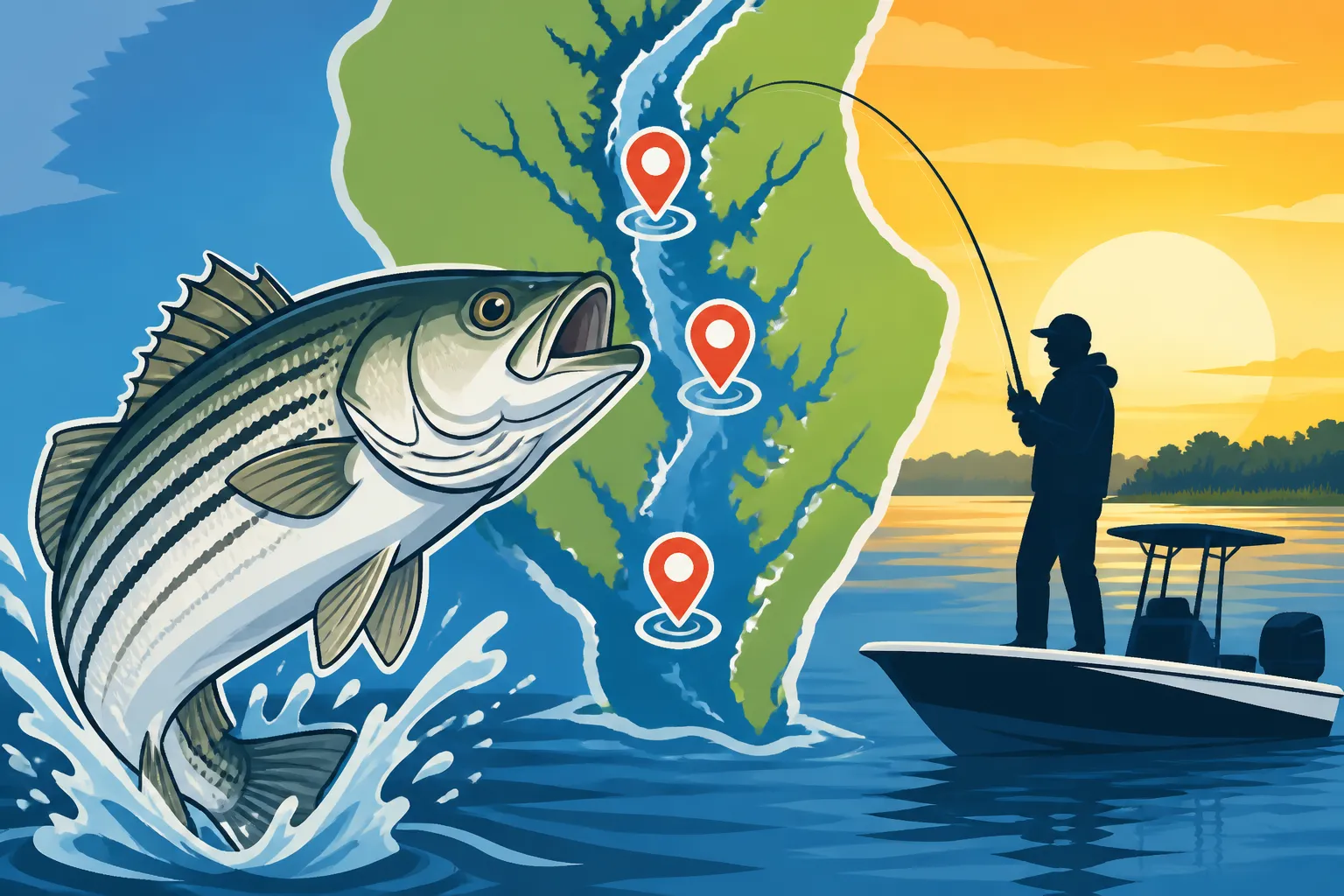
Trying to pinpoint the best spots for striped bass on a vast, intricate waterway like the Choptank River can feel like looking for a needle in a haystack. With its countless creeks, points, and varied depths, knowing where to focus your efforts is key to a successful day on the water, especially when you’re chasing Maryland’s beloved rockfish. This guide will cut through the guesswork, sharing the prime locations, seasonal insights, and effective strategies to help you hook into some fantastic striped bass on the beautiful Choptank.
The Choptank River's Allure for Striped Bass Anglers
The Choptank River is one of the Chesapeake Bay's largest and most productive tributaries, a true gem for anglers seeking striped bass. Its expansive tidal waters stretch from Denton down to the Bay, offering a diverse array of habitats that attract and hold rockfish throughout much of the year. From deep channels and oyster reefs to shallow grass beds and intricate creek mouths, the Choptank provides everything a striped bass needs to thrive, making it a consistent hotspot for anglers.
What makes the Choptank so special for striped bass is its rich ecosystem. The river is teeming with baitfish – alewives, menhaden, shad, and silversides – which are primary food sources for hungry stripers. The freshwater influence upstream gradually transitions into brackish and then saltwater conditions closer to the Bay, creating a dynamic environment that different age classes of striped bass utilize. This means you can find everything from smaller "schoolie" stripers to larger, trophy-sized fish, depending on the season and location. It's truly a river that keeps on giving, but you've got to know where and when to look.
Key Locations for Striper Success on the Choptank
Navigating the Choptank can be overwhelming if you don't have a game plan. While striped bass can be found throughout the river, certain areas consistently produce better results due to their structure, depth, and bait concentration. These are the spots where local knowledge really pays off, and where you'll often see charters focusing their efforts.
Near the Mouth of the River and Lower Bay
As the Choptank River empties into the Chesapeake Bay, particularly around Cambridge and down towards the Bill Burton Fishing Pier State Park, the fishing pressure is often high, and for good reason. This area benefits from the constant movement of baitfish and stripers in and out of the main Bay. You'll find deeper channels here, often flanked by prominent points and submerged structure that act as ambush points for feeding fish.
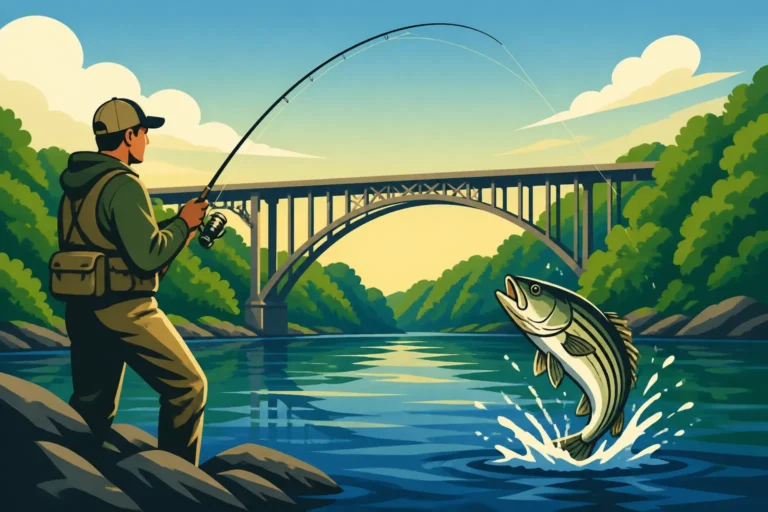
The area around the Choptank River Bridge (Route 50 bridge between Cambridge and Trappe) is a classic spot. The bridge pilings themselves offer excellent cover and current breaks, attracting bait and, subsequently, stripers. Trolling around the bridge or jigging directly on the pilings can be highly effective. Just be mindful of boat traffic, especially during peak seasons. Farther downstream, the numerous points and indentations along the shoreline, particularly the stretch from Cambridge towards the mouth, hold fish. Look for areas with quick depth changes, shell bottoms, or submerged grass beds. These are prime hunting grounds where you might find fish actively feeding or holding in current.
Upstream Bends and Creek Mouths
Don't make the mistake of only focusing on the lower river. Moving further upstream, past Cambridge and towards towns like Denton, the Choptank narrows and develops more pronounced bends and the mouths of feeder creeks become significant. These "inside bends" are where the current often scours out deeper holes, creating sanctuaries for baitfish and predators.
Notable feeder creeks such as Secretary Creek, Hunting Creek, and La Trappe Creek are prime examples. The mouths of these creeks, especially during tidal changes, act as funnels for bait and create current seams that striped bass love. Trolling or casting soft plastics into these creek mouths can yield excellent results, particularly during the spring and fall runs. These areas can sometimes be less crowded than the lower river hotspots, offering a more peaceful angling experience. Targeting these spots requires a keen eye for subtle changes in current and bottom structure, so keep an eye on your fishfinder.
Structure and Bottom Contours
Striped bass are structure-oriented fish, and the Choptank River is full of it, both natural and man-made. Beyond bridge pilings and creek mouths, think about submerged oyster reefs, rock piles, and abrupt changes in bottom depth. These features break up the current and provide hiding places for stripers waiting to ambush unsuspecting baitfish.
Using your sonar to identify these bottom contours is crucial. Look for "humps" or "ledges" where the depth changes quickly from, say, 10 feet to 20 feet. These ledges can hold schools of fish. Oyster reefs, often marked on nautical charts, are biological hotbeds that attract a variety of marine life, including the smaller organisms that baitfish feed on, which in turn draws in the striped bass. Anchoring up-current of a promising piece of structure and chumming can be incredibly effective here, or simply drifting over it with jigs or live bait. Remember, knowing how to fish Maryland's Chesapeake Bay by season can greatly influence your success when targeting these structures.
Seasonal Strategies for Choptank Rockfish
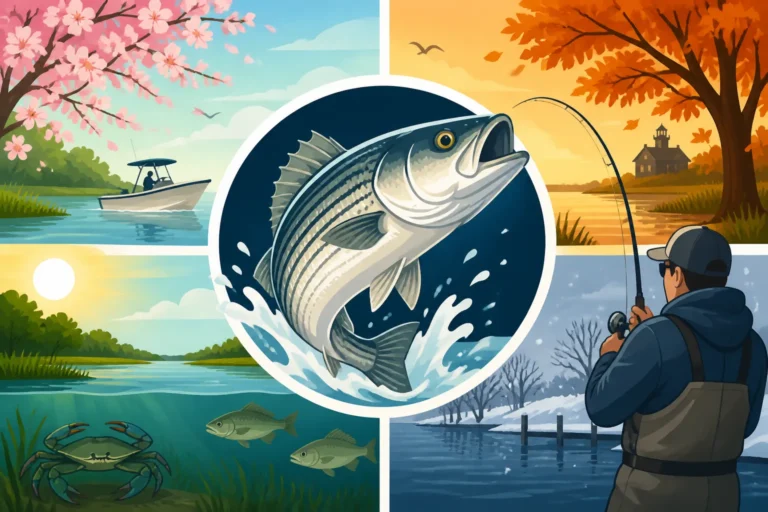
The Choptank River is productive for striped bass for a significant portion of the year, but the "best" spots and tactics change with the seasons. Understanding these patterns is key to maximizing your success.
Spring Run and Spawning Season
Spring on the Choptank is synonymous with the striped bass spawning run. As water temperatures rise, large schools of mature striped bass migrate from the Chesapeake Bay into the Choptank's freshwater tributaries to spawn. This is a truly incredible time to be on the water, but strict regulations, including the Maryland Striped Bass Season and Rockfish Rules, are in place to protect the spawning fish. Always check the latest guidelines from the Maryland Department of Natural Resources (DNR) to ensure compliance.
During this period, the upper reaches of the river, where the water is less saline, become the primary focus. While targeting spawning fish is often restricted, the pre-spawn and post-spawn periods can offer incredible catch-and-release opportunities for larger fish as they stage or recover. Many anglers choose to book a reputable guide or charter through platforms like FishingBooker during this time, as local captains have an intimate understanding of the regulations and the fish's movements. They can guide you to productive areas while ensuring you stay within legal bounds.
Summer Fishing: Deeper and Cooler Waters
Once the spring spawn is over and water temperatures really start to climb, striped bass in the Choptank tend to move to deeper, cooler waters where oxygen levels are more stable. This often means focusing your efforts on the main channel of the Choptank, especially in its lower and middle sections. Look for depths of 15-30 feet, particularly during the middle of the day when the sun is high.
Early mornings and late evenings can still bring fish into shallower areas, especially around shaded structures or areas with good current flow. Trolling is a very popular and effective technique during the summer, often with umbrella rigs, bucktails, or diving plugs. Live-lining baitfish like spot or menhaden near channel edges or submerged humps can also be deadly. Remember to check the Maryland Rockfish Slot Limit Explained for current regulations, as summer limits can be quite specific to help protect the population.
Fall Feeding Frenzy
Autumn is arguably the most exciting time to fish for striped bass on the Choptank River. As water temperatures begin to cool, the stripers become incredibly active, feeding aggressively to build up reserves for the winter. This is often when you'll encounter the famous "fall run," where large schools of baitfish, followed by hungry rockfish, move throughout the Bay and its tributaries.
During the fall, striped bass can be found almost anywhere in the Choptank, from its mouth all the way up to the middle sections. They will chase baitfish into shallow coves and along prominent points, creating spectacular topwater action. Trolling, jigging with metal spoons or soft plastics, and casting topwater lures are all highly effective. Look for diving birds, which often indicate baitfish being pushed to the surface by feeding stripers below. This is a fantastic time to explore different Maryland Striped Bass Fishing Techniques, as the fish are less picky and more willing to hit a variety of presentations.
Essential Gear and Techniques for Choptank Rockfish
Having the right gear and knowing the most effective techniques will significantly increase your chances of success on the Choptank. Striped bass are powerful fish, so your tackle needs to be up to the task.
Rods, Reels, and Line
For general Choptank striped bass fishing, a medium-heavy to heavy action spinning or baitcasting rod, typically 6.5 to 7.5 feet long, is a versatile choice. Pair this with a reliable reel spooled with 30-50 lb braided line. Braid offers superior sensitivity and casting distance, and its thin diameter allows for greater line capacity. Always use a fluorocarbon leader of 30-50 lb test, about 3-5 feet long, for abrasion resistance and invisibility in the water.
When you're jigging or casting, the lighter setup provides better feel and is less fatiguing. If you're planning on trolling heavier rigs or live-lining larger baits, a stout conventional rod and reel setup might be more appropriate. Companies like Penn and Shimano offer a wide range of reels that are highly regarded for their durability and drag systems, perfect for battling a strong Choptank striper.
Baits and Lures
The Choptank's diverse ecosystem means a variety of baits and lures can be effective.
- Live Bait: Live spot, eels, or menhaden are often irresistible to larger striped bass, especially when suspended near structure or along channel edges. This is a very popular method during the summer and fall.
- Cut Bait: Fresh cut bait, particularly chunks of menhaden or alewife, can be incredibly effective when bottom fishing or chumming. This is a prime strategy when you're considering Chumming and Chunking for Maryland's Chesapeake Bay Striped Bass.
- Soft Plastics: Paddle tails, swim shads, and Gulp! baits in sizes ranging from 4 to 9 inches are incredibly versatile. Rig them on jig heads from 1/2 oz to 2 oz, depending on depth and current. Chartreuse, white, and pearl are perennial favorites.
- Hard Baits: Diving crankbaits, lipless crankbaits, and topwater poppers or walk-the-dog lures can be devastating, especially during the fall frenzy.
- Metal Lures: Jigging spoons, Kastmasters, and Hopkins spoons are excellent for vertical jigging in deeper water or when fish are busting bait on the surface.
Knowing the difference between Trolling vs Jigging for Maryland Striped Bass will greatly influence your lure selection and presentation.
Chart of Choptank River Striped Bass Hotspots
Here's a quick overview of some prime locations on the Choptank River:
| Location | Best Season(s) | Primary Techniques | Key Features to Target | Notes |
|---|---|---|---|---|
| Choptank River Bridge (Route 50) | Summer, Fall | Trolling, Jigging, Live-lining | Bridge pilings, channel edges, current breaks | Heavy boat traffic, especially weekends. |
| Mouth of Secretary Creek | Spring, Fall | Casting, Jigging | Creek mouth, current seams, shallow points | Good for schoolies, can hold larger fish during runs. |
| La Trappe Creek Entrance | Spring, Fall | Casting, Jigging, Trolling | Channel edges, deeper bends, submerged structure | Often less crowded than main river. |
| Irish Creek Area | Summer | Trolling, Live-lining | Deep channel, oyster reefs, humps | Look for baitfish schools on sonar. |
| Castle Haven Point | Fall | Topwater, Casting, Trolling | Shallow points, drop-offs, grass beds | Excellent for aggressive feeders, especially at dawn/dusk. |
| Bill Burton Fishing Pier | Year-round (shore) | Casting, Bottom Fishing | Pier pilings, artificial reef | Public access, great for families. Check Maryland Fishing License Guide for 2026 for requirements. |
Maximizing Your Chances on the Choptank
Beyond knowing the spots, a few extra tips can make a big difference in your Choptank striped bass adventures.
Tides and Currents
The Choptank River is a tidal river, and understanding how tides affect fish behavior is paramount. Generally, the moving tide (incoming or outgoing) is more productive than slack tide. The current concentrates bait, pushes it against structure, and makes it easier for stripers to ambush their prey. Pay attention to tide charts and plan your fishing around the stronger parts of the tidal flow, especially around creek mouths and points. If you're wondering about the nuances, reading up on the Maryland Chesapeake Bay Sport Fishing License Explained can give you context for tidal waters.
Electronics and Mapping
A good fishfinder with GPS and detailed mapping is an invaluable tool on the Choptank. It allows you to identify channel edges, submerged humps, oyster reefs, and schools of baitfish. Mark productive spots on your GPS so you can return to them. Many anglers also use mapping apps on their phones or tablets, which can provide even more detailed bathymetric charts of the river.
Professional Guidance
If you're new to the Choptank or simply want to learn the ropes quickly, consider hiring a local fishing guide or charter captain. They spend countless hours on the water and have an intimate knowledge of where the fish are and what they're biting on. Many excellent guides operate out of ports like Cambridge, Annapolis, or Deale, and you can often find them reviewed and listed on platforms like FishingBooker. They provide all the necessary gear and, importantly, ensure you're fishing within the current Maryland Daily Bag Limits by Species and other regulations. Booking a Striped Bass Charter in Maryland is a fantastic way to experience the river.
The Choptank River offers incredible opportunities for striped bass fishing, whether you're a seasoned angler or just starting out. By understanding the river's unique characteristics, focusing on prime locations, adapting to seasonal patterns, and employing effective techniques, you'll be well on your way to a memorable day on the water.
Disclaimer
Fishing regulations, seasons, and size limits can change frequently. Always consult the latest Maryland Department of Natural Resources (DNR) guidelines before heading out on the water to ensure you are compliant with all current rules. This guide is for informational purposes only and does not constitute legal advice.