Is It Legal to Release a Blue Catfish in Maryland?
It's a question that stumps a lot of anglers casting lines in Maryland's beautiful waters: what exactly are you supposed to do if you hook into a blue catfish? Many of us are conditioned to practice catch-and-release, especially with prized game fish. But when it comes to blue catfish, the rules, and the deeply rooted ecological reasons behind them, are quite different and often a source of confusion. This guide is here to untangle the specifics of Maryland's regulations regarding blue catfish and explain why these powerful, non-native fish are treated so uniquely.
The Straight Answer on Releasing Blue Catfish in Maryland
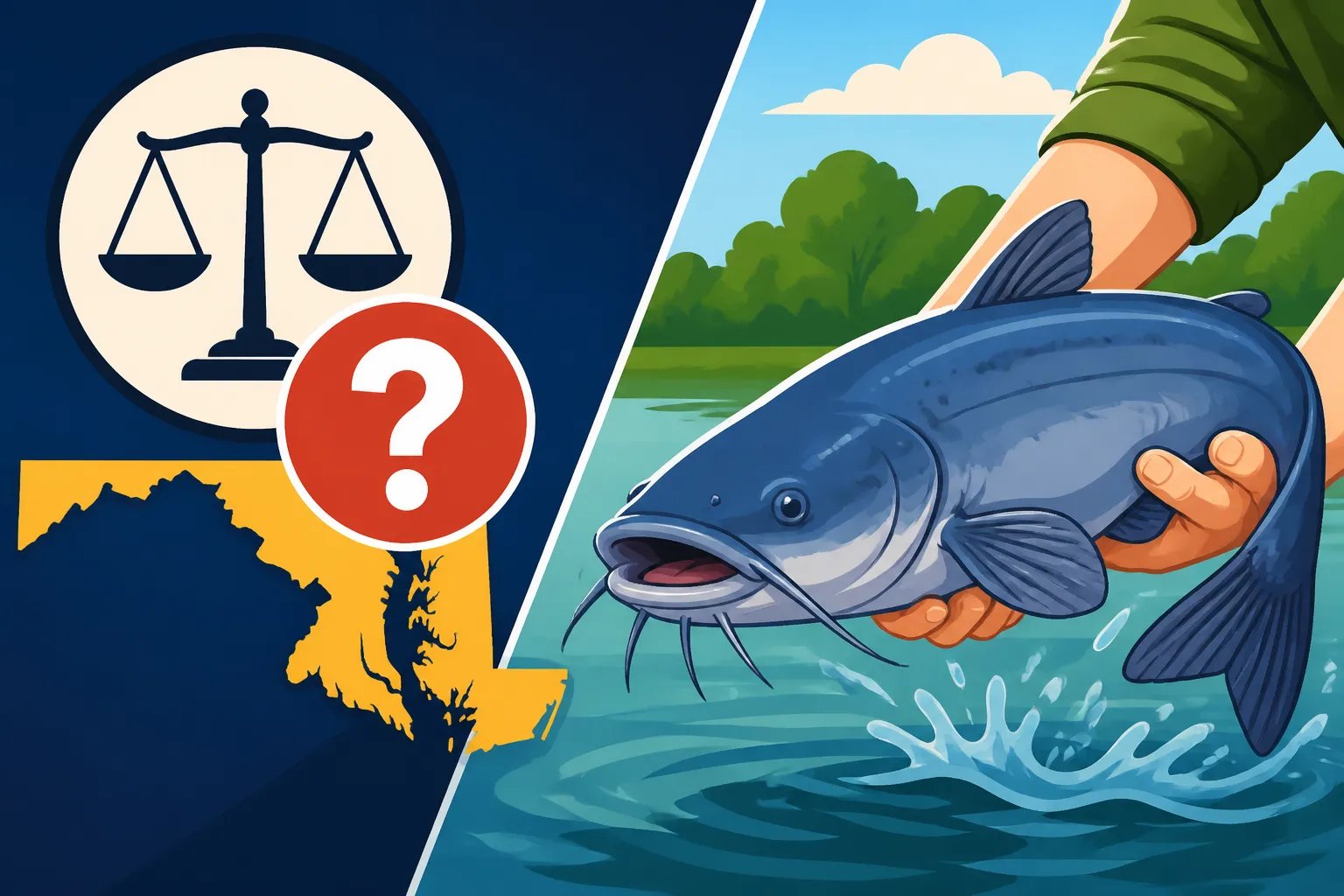
Let's get right to it, because this is where the common assumptions often lead people astray. In Maryland, it is generally not legal to release a live blue catfish back into the water, particularly if you catch it in tidal waters. The Maryland Department of Natural Resources (DNR) has a very clear stance on these invasive species, encouraging their harvest and removal from the ecosystem. This isn't just a suggestion; it's a critical part of the state's strategy to combat a significant ecological threat. You'll find that these rules stand in stark contrast to the regulations for many native species.
Understanding the "Kill-on-Sight" Mentality
When you hear people talk about "kill-on-sight" for fish, it often sounds harsh, even cruel, to an angler who respects marine life. But with blue catfish, this aggressive approach is rooted in urgent conservation. Unlike native species that have established roles in the food web and are protected by size and creel limits, blue catfish are an ecological bulldozer. They consume vast quantities of native fish, crustaceans, and shellfish, directly competing with and depleting food sources for species like striped bass, white perch, and even blue crabs. The "kill-on-sight" mentality is a plea to every angler to become an active participant in controlling an overwhelming problem. The goal is not just to reduce their numbers, but to prevent their further spread and impact.
The Ecological Rationale Behind the Rule
The reason Maryland has such stringent rules against releasing blue catfish isn't arbitrary; it's a direct response to a very real and escalating environmental crisis. Blue catfish are not native to the Chesapeake Bay watershed; they were introduced decades ago to the freshwater rivers of Virginia and quickly found the rich, brackish waters of the Bay to be an ideal, predator-free environment. Their rapid proliferation has sent shockwaves through the delicate balance of the ecosystem.
The DNR's policy reflects a scientific consensus that these fish pose an existential threat to native populations. By removing them from the water, anglers help to alleviate some of the predatory pressure on native species that are already facing challenges from habitat loss, pollution, and overfishing. It's a tough but necessary measure to protect the future of the Bay's traditional fisheries. This also ties into the broader Maryland Invasive Fish Rules: Blue Catfish and Snakehead policy, which aims to curb the impact of non-native species.
Why Blue Catfish Are Such a Concern in Maryland Waters
You might wonder why a fish, even a large one, can cause such a stir. The blue catfish isn't just another fish in the Bay; it's a formidable predator with an incredible capacity for growth, reproduction, and adaptation. Their success in Maryland's diverse waters, from the freshwater tributaries to the brackish mainstem of the Chesapeake Bay, is precisely what makes them so problematic. They are literally eating their way through the ecosystem, and without natural predators or significant human intervention, their numbers continue to explode.
Impact on Native Fish Populations and the Food Web
The blue catfish is an opportunistic omnivore, meaning it will eat almost anything it can fit into its cavernous mouth. This includes juvenile striped bass, white perch, yellow perch, river herring, blue crabs, and clams – all vital components of the Bay's native food web and economy. Imagine a super-efficient vacuum cleaner scouring the bottom and mid-water column, consuming everything in its path. That's essentially what a dense population of blue catfish does.
Their dietary flexibility means they outcompete native predators for food, and their sheer size means they can devour prey that other fish cannot. This directly contributes to the decline of ecologically and economically important species. It's not an exaggeration to say that How Blue Catfish Threaten Native Species in Maryland's Chesapeake Bay is one of the most pressing environmental concerns facing the region. Every native species they displace or consume creates a ripple effect, destabilizing the entire ecosystem.
Their Rapid Spread and Dominance
Blue catfish are incredibly resilient. They can tolerate a wide range of salinities, temperatures, and oxygen levels, allowing them to thrive in diverse habitats, from the upper freshwater reaches of the Potomac to the saltier parts of the lower Bay. They also grow quickly and live a long time, with some individuals reaching impressive sizes. If you're curious, you can look up Blue Catfish Size Records in Maryland Rivers to get a sense of just how large these fish can become.
Their reproductive capacity is also astonishing. A single female can lay hundreds of thousands of eggs, and with few natural predators in the Bay, a high percentage of these eggs hatch and survive. This explosive population growth, combined with their voracious appetites, means that without continuous removal, they will continue to dominate and reshape Maryland's aquatic environments. The rate at which they are spreading is a major factor in the DNR's strict no-release policy.
What to Do If You Catch a Blue Catfish
So, you've hooked into a blue catfish. What's next? The answer is simple: keep it! This is one of the rare instances in fishing where keeping every legal catch is actively encouraged. Maryland has no size or creel limits on blue catfish, meaning you can keep as many as you can catch, regardless of size. This makes targeting them a rewarding experience, as you don't have to worry about measuring or counting. The general guideline is, if you catch a blue catfish from tidal waters or a designated invasive species area, it's encouraged for harvest.
Harvesting and Handling Your Catch Responsibly
Once you've decided to keep your blue catfish – and you absolutely should – it's important to handle it properly. Blue catfish have sharp spines on their dorsal and pectoral fins, so use caution when unhooking them. A good pair of fish pliers or a hook remover can be invaluable. Many anglers find it easiest to grip them firmly behind the head, avoiding the spines.
To ensure the fish doesn't suffer and to maintain meat quality, dispatch it quickly and humanely. A swift blow to the head or a quick cut to the gills is often recommended. If you're planning to consume your catch, get it on ice as soon as possible. Blue catfish are known for their firm, white, flaky meat, and are delicious fried, grilled, or baked. If you're wondering, Are Blue Catfish Good to Eat From Maryland Rivers? the answer is a resounding yes!
Legalities of Transporting Blue Catfish
This is another critical point where blue catfish regulations differ from most other species. While you are strongly encouraged to harvest them, transporting live blue catfish from the waters where they were caught to other bodies of water is generally illegal and highly discouraged. The primary concern is preventing their accidental or intentional introduction into new waterways where they could establish new invasive populations.
The specific rule is outlined in the Maryland Rules on Transporting Live Blue Catfish: you cannot possess or transport live blue catfish away from the water where they were caught unless you are specifically authorized by the DNR for scientific purposes, or if you are transporting them for immediate consumption (e.g., to a processing facility or home, but they should be dead). The best practice is to kill and ice your blue catfish at the point of capture if you intend to take them home. This ensures compliance and prevents unintended ecological damage.
| Action | Legality/Recommendation | Explanation |
|---|---|---|
| Releasing Live Blue Catfish | Not legal/Highly discouraged | As an invasive species, release perpetuates their spread and negative impact on native ecosystems. |
| Harvesting Blue Catfish | Strongly encouraged | Maryland has no size or creel limits. Anglers are urged to keep all caught blue catfish to help control populations. |
| Transporting Live Blue Catfish | Generally illegal (with few exceptions) | To prevent further spread, live blue catfish cannot be moved from the water where they were caught, unless dead or specifically permitted by DNR. |
| Consuming Blue Catfish | Encouraged | Blue catfish have excellent firm, white meat and are considered a delicious food source. |
The Role of Anglers in Managing Blue Catfish
Anglers are on the front lines of the blue catfish issue. While government agencies implement policies and conduct research, it's the individual efforts of thousands of fishermen and women that can collectively make a significant difference. Your actions, from keeping every blue catfish you catch to educating others, are vital.
Encouraging Harvest and Consumption
Maryland DNR actively promotes the harvest and consumption of blue catfish. They are not just a nuisance; they are a valuable, delicious food source. By eating blue catfish, you're not only enjoying a great meal but also directly contributing to the control of an invasive species. This is truly a "eat 'em to beat 'em" scenario. Many local restaurants and seafood markets are starting to feature blue catfish, recognizing its quality and the environmental benefit of its harvest. This is one of the key reasons Why Maryland Wants Anglers to Kill Invasive Fish.
If you're a regular angler, consider targeting them specifically. They fight hard and can be a lot of fun to catch. They respond well to various baits, from cut bait to chicken liver, and can be found throughout many river systems and the main stem of the Bay. Understanding the best techniques can make a big difference, so consider exploring resources like Best Bait for Blue Catfish in Maryland Rivers or How to Catch Blue Catfish in the Potomac River.
Tools and Techniques for Targeting Blue Catfish
To really get serious about blue catfish, having the right gear can make your efforts more successful and enjoyable. Since they can grow to be very large (some exceeding 100 pounds), stout tackle is essential. Heavy-action rods, robust reels with strong drag systems, and strong monofilament or braided line (think 30-50 lb test) are highly recommended. You'll also want heavy sinkers to keep your bait on the bottom in strong currents, and large, sturdy hooks (like circle hooks in sizes 5/0 to 9/0) to handle their tough mouths.
For bait, blue catfish aren't particularly picky. Cut bait like gizzard shad, menhaden, or even pieces of other fish works exceptionally well. Chicken liver, shrimp, and commercially prepared stink baits are also popular. When fishing for them, look for deep holes, channel edges, and areas with submerged structure in rivers and the Bay. The Potomac River, in particular, is known for its excellent blue catfish fishing, with plenty of areas to explore if you want to find the Best Spots to Catch Blue Catfish on the Potomac. Many anglers also find useful tools like heavy-duty fishing gloves, specialized catfish grippers, and large coolers for their catch on platforms like Amazon.
Remember, every blue catfish you remove from Maryland waters helps protect our native fisheries and maintain the ecological health of the Chesapeake Bay. So next time you feel that distinctive tug, don't hesitate – reel it in, keep it, and enjoy the fight and the feast!
Disclaimer
The information provided in this article is for general guidance only and is based on current regulations and common practices as of the date of publication. Fishing regulations, including those concerning invasive species like blue catfish, can change frequently. It is always the angler's responsibility to consult the most up-to-date Maryland Department of Natural Resources (DNR) fishing guide and regulations before heading out on the water. Failure to do so may result in penalties.