Do You Need a Trout Stamp to Catch and Release in Maryland?
It's a common and understandable point of confusion for many anglers heading out to Maryland's beautiful trout streams: do you really need a trout stamp if you're only planning to catch and release? The idea often floats around that if you're not keeping fish, you're exempt from certain regulations. This guide is here to clear up that persistent misunderstanding and ensure you're fully prepared and compliant before you cast your line.
Understanding Maryland's Trout Stamp Requirements
When it comes to fishing in Maryland, especially for popular species like trout, the regulations can feel like a labyrinth. Many seasoned anglers still find themselves double-checking the rules, and for good reason! The Maryland Department of Natural Resources (DNR) sets specific requirements to manage fisheries and ensure sustainable populations, and trout stamps are a key part of that system.
The Basics of the Maryland Trout Stamp
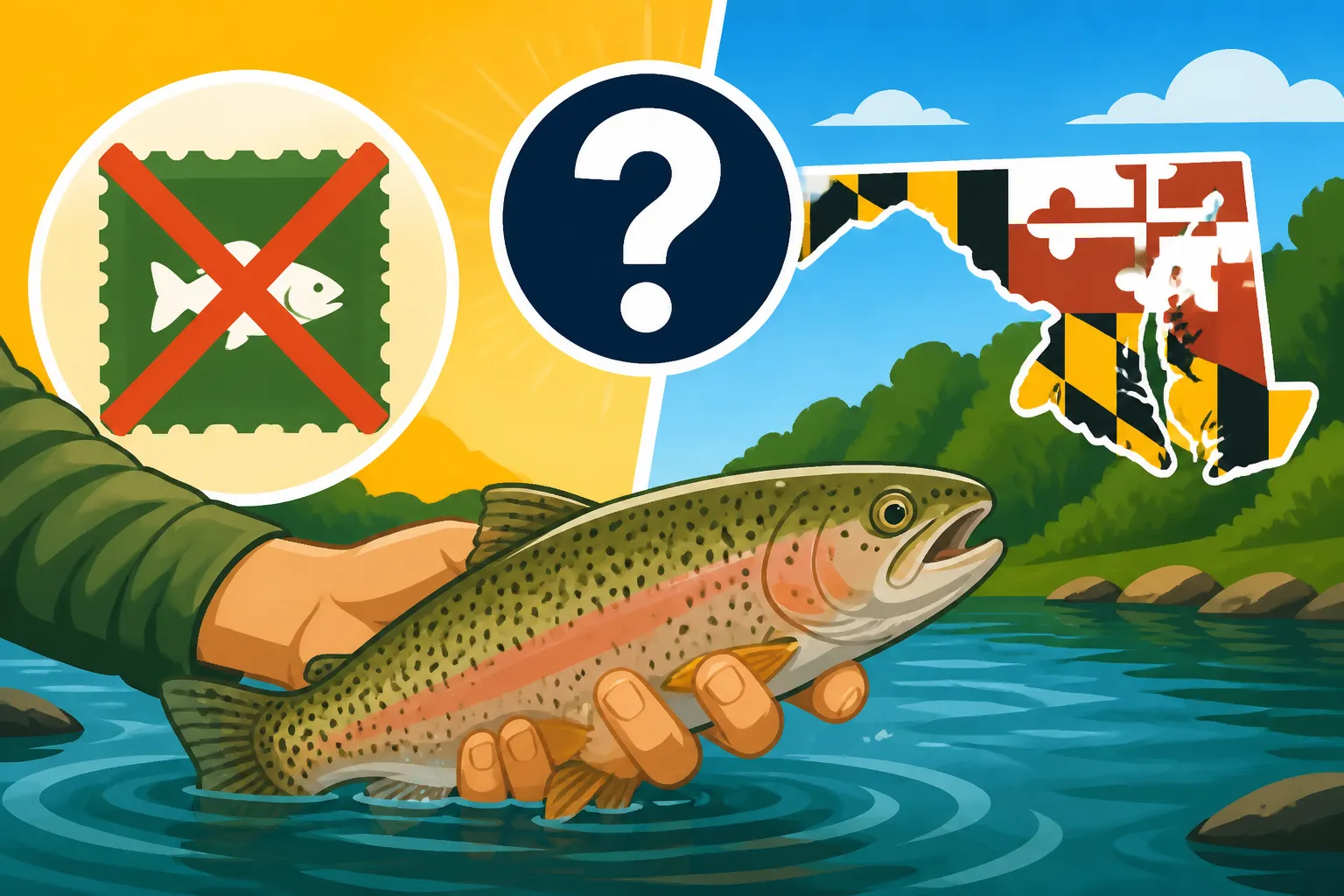
Simply put, a Maryland Trout Stamp is an additional endorsement you attach to your general fishing license if you intend to fish for or possess trout in designated "put-and-take" or "catch-and-return" trout waters. It's not a standalone license; think of it as an extra layer of permission specifically for trout. The critical thing to understand is that the requirement is tied to fishing for trout, not just keeping them. This means that even if your intention is purely to practice your fly-casting technique on a designated trout stream, and you plan to release every fish gently, you still need that stamp.
Imagine a scenario: you've spent weeks tying your own flies, meticulously practicing your roll cast, and dreaming of a serene day on the Gunpowder River. You pack your gear, including your Maryland Fishing License Guide for 2026, but you debate whether to get the trout stamp. "I'm only going to catch and release," you might think. "Why bother with the extra cost?" However, the moment your line hits the water in a designated trout management area, you are legally considered to be "fishing for trout." It's not about what you do with the fish after you catch them; it's about your activity in those specific waters. Skipping the stamp could lead to an unexpected citation, which is definitely not the peaceful day you envisioned.
Funding Trout Conservation Efforts
So, why the extra stamp? It all boils down to conservation and management. The funds generated from the sale of Maryland Trout Stamps directly support the DNR's extensive trout program. This includes everything from operating trout hatcheries—which raise the fish stocked in "put-and-take" areas—to conducting surveys, maintaining stream habitats, and enforcing regulations that protect wild trout populations. It's a vital revenue source that ensures healthy trout fisheries for all anglers, year after year.
Consider the effort involved in maintaining a thriving trout fishery in a state like Maryland, which has a mix of wild, naturally reproducing trout streams and waters that rely on regular stockings. The DNR literally raises hundreds of thousands of trout annually at hatcheries like Albert Powell State Fish Hatchery and Bear Creek Hatchery. These fish are then transported and carefully released into rivers and streams across the state, making angling opportunities accessible to many. Your trout stamp purchase directly contributes to these programs, making it possible for you and others to enjoy these fishing experiences. It’s a small investment with a big impact on the future of Maryland's trout fishing.
Catch and Release Fishing: A Common Misconception
The idea that catch and release fishing might exempt you from needing a trout stamp is a widespread misconception, and it's easy to see why it persists. Many conservation-minded anglers pride themselves on their minimal impact, carefully handling fish and returning them to the water. It feels intuitive that if you're not removing fish from the ecosystem, some of the rules related to harvest might not apply. However, Maryland's regulations are quite clear on this point.
Why Catch and Release Doesn't Exempt You
Maryland law doesn't differentiate between harvesting trout and simply targeting them when it comes to the trout stamp requirement. The act of angling for trout in designated waters triggers the need for the stamp. This means whether you're using a tiny dry fly to tempt a wild brook trout or a power bait setup in a recently stocked pond with the full intention of releasing them, the stamp is necessary. The logic is that you are still participating in the fishery, utilizing a resource that is managed and sustained by the very funds the stamp provides.
Think about a busy opening day at a popular "put-and-take" trout stream. Anglers are lined up, excited to test their skills. Some might be there with coolers, ready to bring home a limit for dinner. Others, perhaps with specialized fly gear, intend to practice their technique and release every fish. From the DNR's perspective, both anglers are engaging with the same managed resource. The presence of the stamp ensures that everyone contributing to the pressure on the fishery, regardless of their harvest intent, is also contributing to its maintenance. It simplifies enforcement and ensures fairness across the angling community. If there were an exemption for catch and release, it would create an impossible situation for enforcement officers to discern intent, making the regulations difficult to uphold.
Specific Waters Requiring a Trout Stamp
Not all waters in Maryland require a trout stamp, which adds another layer to the confusion. The requirement specifically applies to designated trout management areas. These typically fall into a few categories: "Put-and-Take Trout Streams," "Delayed Harvest Trout Streams," "Catch and Return Trout Streams," and "Trophy Trout Areas." Each of these categories has its own specific rules regarding tackle, bait, and season, but the common thread among them is the trout stamp.
For example, areas like the popular sections of the Gunpowder River often fall under "Catch and Return" or Maryland Delayed Harvest Trout Waters Explained, which means special regulations like barbless hooks or artificial lures only might apply, and all trout must be released. Even in these waters, the trout stamp is mandatory. Similarly, if you're visiting a Maryland Put-and-Take Trout Waters, What That Means stream right after a stocking, like sections of the Patapsco River or Bear Creek, you absolutely need that stamp, whether you plan to keep your limit or just enjoy the thrill of the bite before letting them go. The key is to consult the latest Maryland DNR fishing guide or their website, as regulations can sometimes change or be location-specific. You can often find detailed maps and specific rules for these waters to help you plan your trip accurately.
Navigating Exemptions and Special Circumstances
While the general rule is clear – if you're fishing for trout in designated waters, you need a stamp – there are always a few specific situations or demographic groups that might have different requirements or opportunities. It's crucial to be aware of these to ensure you're compliant, or to take advantage of any legitimate exemptions.
Age Exemptions and Other Waivers
One significant exemption relates to age. In Maryland, anglers under the age of 16 are generally exempt from needing a fishing license and, consequently, do not need a trout stamp. This is a fantastic initiative to encourage youth participation in fishing, allowing younger generations to experience the joy of the outdoors without the burden of extra fees. Imagine taking your child or grandchild out to a stocked trout pond; they can fish freely (within catch limits, if applicable) while you, the adult, ensure you have both your Resident vs Nonresident Fishing Licenses in Maryland and your trout stamp.
Furthermore, there are specific days in Maryland designated as Maryland Free Fishing Days. On these days, usually a couple of dates in early June and another in July, residents and non-residents alike can fish in Maryland's waters without needing a fishing license. This also includes the trout stamp. These days are a perfect opportunity for beginners or those who only fish occasionally to try their hand at trout fishing without the initial investment. However, always remember that all other fishing regulations, such as size limits, creel limits, and gear restrictions, still apply on free fishing days. So, while the license and stamp might be waived, knowing the rules for the specific body of water you're fishing remains essential.
The Consolidated License and Trout Stamp
For many dedicated Maryland anglers, a standard annual fishing license might not cover all their passions. If you're someone who enjoys a variety of outdoor pursuits, from hunting to multiple types of fishing, you might opt for a "Consolidated Sport & Chesapeake Bay Sport Fishing License" or a similar comprehensive package. This combined license often includes privileges that cover freshwater, tidal, and even hunting activities. However, it's important to understand that a consolidated license does not automatically include a trout stamp.
Even with a comprehensive Maryland Senior Consolidated Sport Fishing License or a similar package, the trout stamp is typically a separate add-on. It's often referred to as an "endorsement," meaning it's an extra privilege that you elect to purchase and attach to your base license. So, if you've got your consolidated license in hand and are planning a trip to a designated trout stream, make sure you double-check if you've also purchased and affixed the trout stamp. It's a quick and inexpensive addition that saves you potential headaches down the road. This also applies to scenarios like if you've just purchased your initial fishing license and then decide later in the season you want to try trout fishing; you can typically Can You Add a Trout Stamp After Buying a Maryland Fishing License? separately.
Ensuring Compliance and Avoiding Penalties
Fishing is meant to be a relaxing and enjoyable pastime, but nothing can ruin a peaceful day faster than an unexpected encounter with a Natural Resources Police officer when you're not properly licensed. Understanding how to acquire your stamp and the consequences of not having one is just as important as knowing where the fish are biting.
How to Purchase a Maryland Trout Stamp
Acquiring a Maryland Trout Stamp is a straightforward process, designed to be as convenient as possible for anglers. The most popular method these days is to purchase it directly online through the Maryland Department of Natural Resources (DNR) Compass portal. This digital system allows you to buy your annual fishing license, trout stamp, and other necessary endorsements from the comfort of your home. You'll simply need to create an account, select your desired licenses and stamps, and complete the transaction. Your license and stamp can then often be printed at home or displayed digitally on your mobile device, making it easy to carry with you.
If you prefer a more traditional route, or simply like the tangible feel of a paper license, you can also purchase a Maryland Trout Stamp in person. Many tackle shops, sporting goods stores, and county clerk's offices across the state are licensed vendors. This can be a great option if you need some local advice, want to browse new gear, or simply like supporting small businesses. Before you head out, you might want to call ahead to ensure they are a licensed vendor and have the capacity to issue the specific license and stamp you need. Remember, when purchasing, you'll need to provide some basic personal information, and if you're a Maryland resident, proof of residency might be required to qualify for resident rates, as detailed in our guide on Maryland Trout Stamp Cost for Residents and Nonresidents. For those looking for supplementary fishing gear, from lines to lures, many anglers find Amazon a convenient place to stock up before hitting the water.
Consequences of Fishing Without a Required Stamp
Fishing without a required license or stamp in Maryland is not just a minor oversight; it's a violation of state law, and the consequences can range from inconvenient to costly. Natural Resources Police officers regularly patrol designated trout waters, and they are trained to check for proper licensing. If you're found fishing for trout in a designated area without the necessary trout stamp, you could face a citation and substantial fines. These fines are often significant enough to overshadow the small cost of the stamp itself, making the decision to skip it a very poor economic choice.
Beyond the monetary penalty, there can be other repercussions. In some cases, officers might also confiscate your fishing gear, or the violation could lead to points against your fishing license, potentially impacting future licensing. No one wants to spend their day in court or dealing with bureaucratic hurdles, especially when the goal was a peaceful day on the water. It's a stark reminder that staying informed and compliant with regulations, as outlined in guides like What Happens If You Fish in Maryland Without a License? and Maryland Fishing License Penalties for Violations, is not just about following the rules—it's about protecting your privilege to enjoy Maryland's incredible fishing resources responsibly. Always double-check your gear and your license before heading out; a little preparation goes a long way.
Here's a quick overview of Maryland's trout stamp requirements based on different scenarios:
| Scenario | Fishing License Required? | Trout Stamp Required? | Notes |
|---|---|---|---|
| Resident, 16+, fishing for trout (catch & release) in designated waters | Yes (Nontidal) | Yes | Regardless of intent to keep, the act of fishing requires the stamp in designated trout waters. |
| Non-Resident, 16+, fishing for trout (catch & release) in designated waters | Yes (Nontidal) | Yes | Non-residents also need a nontidal license and the trout stamp. |
| Angler under 16, fishing for trout in designated waters | No | No | Kids under 16 are exempt from both general license and trout stamp. |
| Fishing a non-trout designated freshwater lake (e.g., for bass or perch) | Yes (Nontidal) | No | The trout stamp is only for designated trout management areas. You'd still need your Maryland Nontidal vs Tidal Fishing License, Explained. |
| Fishing on a Maryland Free Fishing Day | No | No | All license and stamp requirements are waived on designated free fishing days, but all other regulations apply. |
| Senior (65+), resident, fishing for trout | Yes (Consolidated) | Yes | Seniors may have reduced fees for licenses and a Do Seniors Need a Fishing License in Maryland?, but the trout stamp is still a required endorsement. |
Always remember to check the current Maryland DNR regulations before any fishing trip, as rules can sometimes change. You can find detailed information on species like those covered in the Maryland Trout Species Guide and other regulations on their website or in their annual guide.
Disclaimer
The information provided in this guide is for informational purposes only and does not constitute legal advice. While we strive to be accurate and up-to-date, fishing regulations in Maryland can change. Always consult the official Maryland Department of Natural Resources (DNR) website or their current Fishing and Crabbing Guide for the most accurate and legally binding information before engaging in any fishing activities.