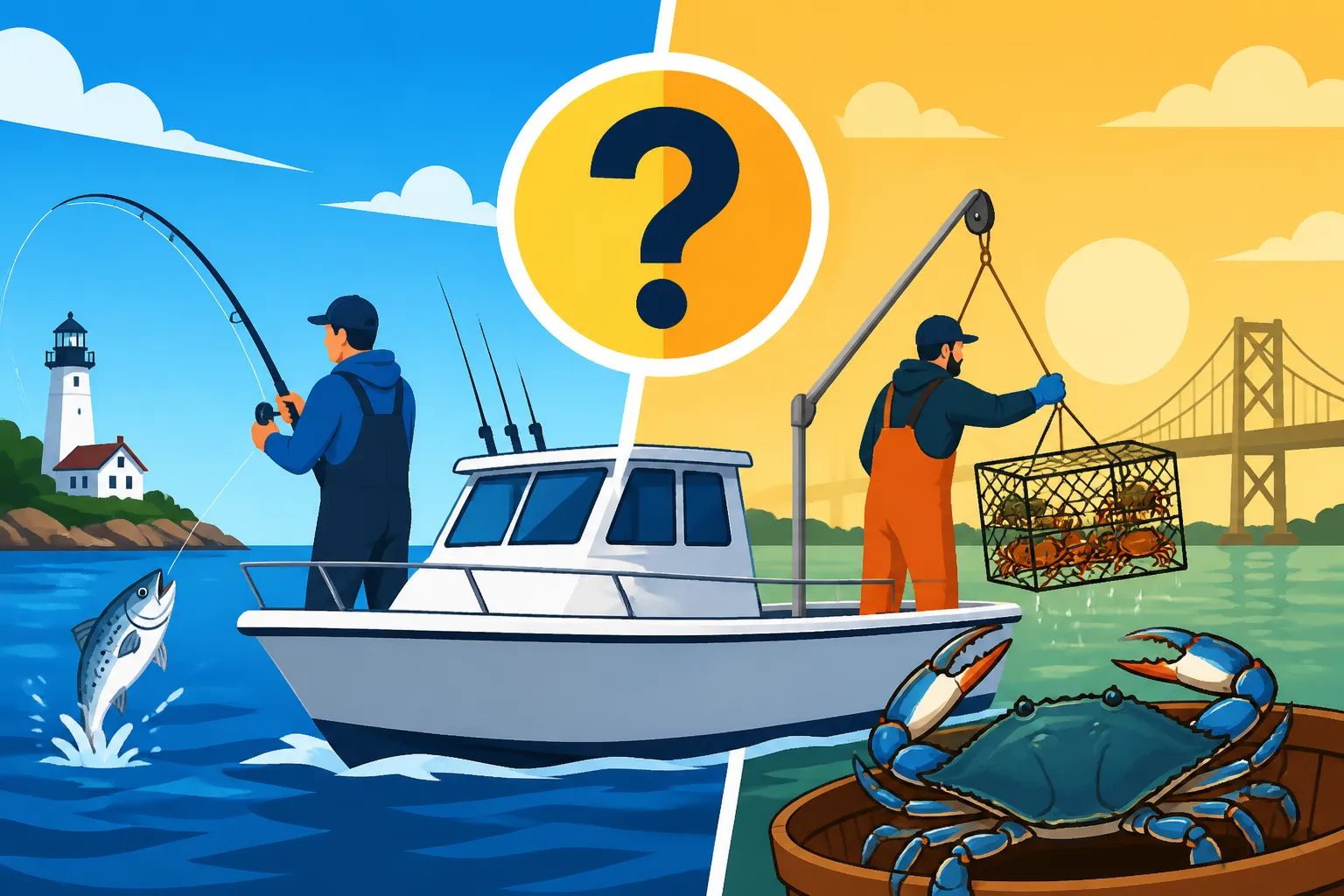
Can You Charter a Boat for Crabbing Instead of Fishing?
One of the quintessential Maryland experiences is, without a doubt, a day out on the water chasing those delicious blue crabs. But if you don't own a boat or all the specialized gear, you might find yourself wondering if it's even possible to get in on the action. Many folks assume charters are only for fishing, and it's a valid frustration when you're dreaming of a bushel of steamed crabs but don't know where to start. This guide will dive deep into whether you can specifically charter a boat for crabbing in Maryland, what kind of trips are out there, and how to make that perfect Chesapeake Bay crabbing dream a reality.
Can You Charter a Boat for Crabbing Exclusively?
It's a common question, especially for those who grew up enjoying Maryland's iconic blue crabs or visitors looking for that authentic Bay experience. When you think of charter boats, images of lines in the water, trolling for rockfish, or jigging for bottom dwellers often come to mind. But what about the crustacean crowd?
The Short Answer: Yes, But It's Not Always What You Expect
To put it plainly, yes, you absolutely can charter a boat for crabbing in Maryland. However, it's not always as straightforward as booking a fishing trip. While fishing charters are abundant across the state's diverse waterways, dedicated crabbing-only charters, especially those focusing solely on recreational trotlining, might be a bit more niche. Many captains who offer crabbing will do so as part of a combination trip with fishing, or they might require a bit more advance planning and communication to set up a pure crabbing expedition.
This isn't because crabbing isn't popular – quite the opposite! It’s deeply ingrained in Maryland culture. It's more about the logistics. Crabbing, particularly with trotlines, requires specific gear and a different operational approach compared to a typical fishing charter, which often means a captain needs to adapt their vessel and their day's plan. Don't be discouraged, though; with a little know-how, you can definitely find a fantastic crabbing experience.
Why Dedicated Crabbing Charters Are a Unique Find
Crabbing in the Chesapeake Bay isn't just about dropping a net; it involves specialized equipment and a particular understanding of crab behavior and habitat. A serious crabbing trip, especially one that aims to catch a bushel or more, often utilizes trotlines. These are long lines, sometimes thousands of feet, laid along the bottom with baited snoods attached at regular intervals. Deploying and retrieving a trotline requires a specific setup on the boat, often with a motorized davit to pull the line, and a skilled crew to net the crabs as they come to the surface.
This is different from the rods, reels, and tackle typically found on a fishing charter. Some captains are set up for both, having made the investment in crabbing gear and possessing the expertise for both activities. Others might primarily be fishing captains who can offer a more casual crabbing experience, perhaps with a few crab pots or by hand-lining. The key is finding a captain whose setup and passion align with your crabbing aspirations. It’s truly a special kind of trip that connects you to generations of watermen on the Bay.
How Crabbing Charters Operate on Maryland Waters
Once you've decided to pursue a crabbing charter, understanding the different methods charters employ can help you choose the right experience. Maryland offers a few distinct ways to catch blue crabs, and charters will typically specialize in one or two.
The Allure of the Trotline Experience
For many, the quintessential Maryland crabbing experience is the trotline. Imagine this: you're out on the calm waters of a Chesapeake Bay tributary, the morning sun just beginning to warm the air. The captain and crew deploy a long line, often baited with chicken necks or razor clams, stretching across prime crabbing territory. Then, the boat slowly motors along, and as the line comes up over the side, crabs clinging to the bait appear! It's a flurry of activity as the crew swiftly scoops them into a net, culling out any undersized or "throwback" crabs.
This method is incredibly hands-on and engaging. It’s a collaborative effort that’s fantastic for groups and especially exciting for kids. There’s a rhythm to it, a blend of anticipation and quick action that makes for unforgettable memories. You'll learn the tricks of the trade, the best way to handle a crab (carefully!), and truly feel like a Bay Waterman or Waterwoman for the day. Many charters that specialize in crabbing will focus heavily on the trotline because it's efficient and offers a high-yield, engaging experience.
Crab Potting and Hand-Lining Options
While trotlining is the star for many, other crabbing methods are also used by charters. Crab potting is a more passive approach. In this scenario, pots are pre-baited and set on the bottom, often overnight or for several hours. During your charter, the captain will simply run the pots, pulling them up, emptying the catch, re-baiting, and re-setting them. This can be less "action-packed" than a trotline but can still yield a good number of crabs. It's often combined with fishing because it doesn't require constant attention.
Hand-lining is the simplest method, involving a baited line (like a chicken neck on a string) dropped into the water and slowly pulled up when a crab tugs. It's incredibly fun for younger children or those who prefer a more relaxed approach. Charters might offer this as a casual add-on, perhaps from a docked boat or a smaller skiff in shallow coves. It’s perfect for teaching patience and the thrill of a small catch, but generally isn't the primary method for a dedicated crabbing charter aiming for bushels.
Combination Fishing and Crabbing Trips: The Best of Both Worlds?
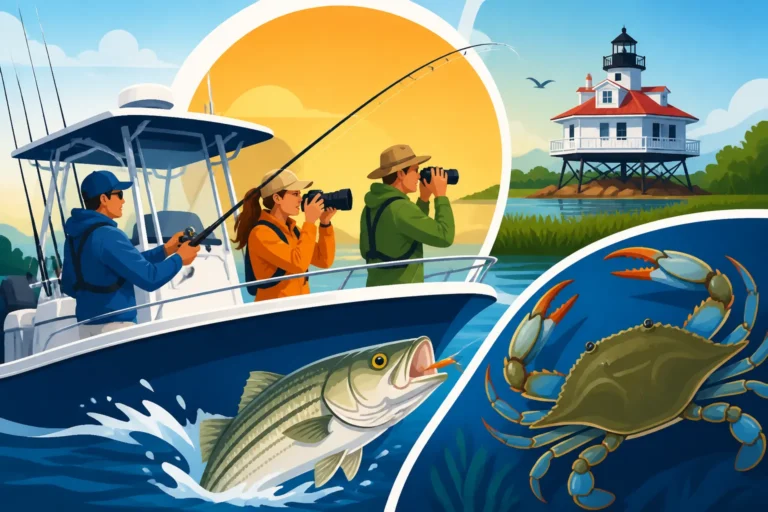
Perhaps the most common way to get your crabbing fix on a charter is through a combination trip. Many Maryland captains have realized that anglers often want to experience both the thrill of catching fish and the delicious reward of fresh blue crabs. These trips typically allocate a portion of the day to crabbing, usually trotlining, and then switch gears to fishing for species like striped bass, white perch, or bottom fish.
This approach offers fantastic value and appeals to a broader range of interests within a group. You might spend the first couple of hours working a trotline, filling a bushel or two, and then move to a productive fishing spot for the rest of the trip. It’s a great way to maximize your time on the water and ensure everyone in your party has an activity they enjoy. When searching for charters, especially on platforms like FishingBooker, you'll often see "Crabbing & Fishing Combo" explicitly listed. It's always a good idea to clarify with the captain how much time is dedicated to each activity, so your expectations are aligned. For more details on this hybrid experience, you might want to read about Combined Crabbing and Fishing Charters in Maryland.
What to Expect When Booking a Maryland Crabbing Charter
So, you're ready to book your crabbing adventure! Knowing what to expect regarding equipment, costs, and regulations will help ensure a smooth and enjoyable trip.
Equipment, Licenses, and Crew Support
One of the greatest advantages of booking a crabbing charter is that all the heavy lifting is handled for you. You won't need to worry about buying or maintaining trotlines, finding bait, or hauling giant crab pots. The charter will provide all the necessary equipment: the boat, the trotlines with bait, nets, and bushel baskets for your catch. The crew, led by the captain, is there to help with every step, from deploying the lines to culling the crabs and ensuring everyone understands how to safely participate.
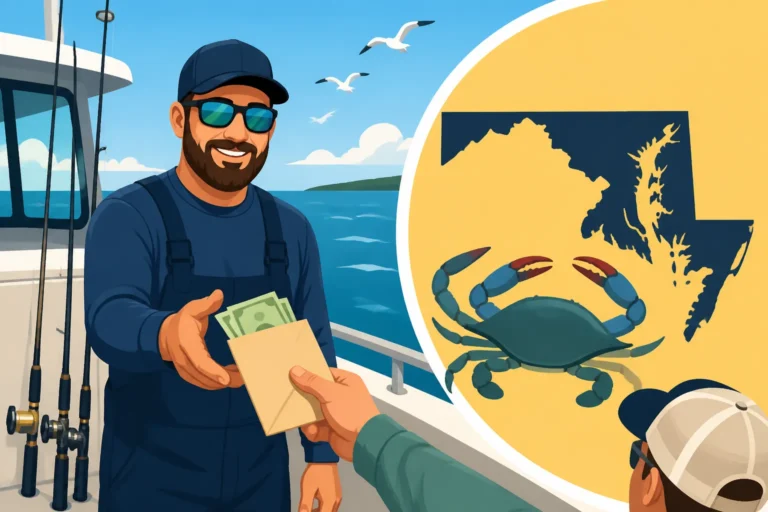
Regarding licenses, this is where charters really shine for recreational crabbers. Generally, when you're a paying passenger on a licensed charter boat, you don't need to purchase your own individual Maryland crabbing or fishing license. The captain's commercial or recreational crabbing license, which covers their passengers, takes care of the requirements. However, it’s always smart practice to confirm this directly with your chosen captain when booking, just for peace of mind. While you won't need your own license, it's still wise to know the general rules for Maryland Recreational Crab Pot Limit Per License and overall blue crab regulations. As for what to bring for yourself, many of the same recommendations for a fishing trip apply; think sunscreen, hats, comfortable clothes, and snacks, as detailed in What to Bring on a Maryland Fishing Charter.
Costs, Capacity, and Booking Considerations
The cost of a Maryland crabbing charter can vary based on several factors, including the duration of the trip (half-day vs. full-day), the size of the boat, the number of passengers, and the season. Generally, crabbing trips fall within a similar price range to fishing charters. A half-day crabbing trip might align with the costs outlined in How Much Does a Half-Day Fishing Charter Cost in Maryland?, but it's essential to get a direct quote, as specialized crabbing gear can sometimes influence pricing.
Most crabbing charters are designed to accommodate groups, making them perfect for families, friends, or even corporate outings. The capacity will depend on the boat's size and the captain's license. Crabbing is an incredibly family-friendly activity, often preferred by groups with younger children who might find fishing a bit too slow-paced. Consider a charter as a fantastic option for Family-Friendly Charter Trips in Maryland. When booking, platforms like FishingBooker are excellent resources, as they allow you to browse available charters, compare prices, read reviews, and often filter specifically for "crabbing" or "combo trips," making it easier to find a captain that fits your needs.
Seasonal Considerations and Maryland Crabbing Rules
Crabbing in Maryland is a highly seasonal affair, directly influenced by water temperature and the crabs' life cycle. The best crabbing typically occurs in the warmer months, starting in late spring, peaking in summer, and continuing strong through early fall. As water temperatures drop in late fall and winter, blue crabs burrow into the mud, making them much harder to catch. So, if a dedicated crabbing trip is your goal, plan your visit between May and October for the best results.
Beyond the seasons, blue crabs are highly regulated to ensure their sustainability. This includes strict size limits (often measured point-to-point across the shell), daily bushel limits per person or boat, and rules regarding females (sponge crabs carrying eggs must always be released). While your charter captain will be well-versed in all current regulations and ensure your trip is compliant, it's always good for you to have a general awareness. These rules can sometimes change from year to year, which can be a bit frustrating for recreational crabbers, but good captains stay on top of all the latest Maryland Department of Natural Resources (DNR) guidelines.
Finding Your Perfect Maryland Crabbing Adventure
With so many choices and varying offerings, finding the ideal crabbing charter might seem a little daunting. But with a strategic approach, you'll be pulling up bushels of blue gold in no time!
Researching and Choosing Your Captain
The key to a successful crabbing charter lies in selecting the right captain and boat. Don't just assume any fishing charter offers crabbing. When you're researching, look for captains who explicitly mention crabbing, trotlining, or crabbing combo trips in their descriptions. Reading reviews from past clients is incredibly helpful, as they often detail the crabbing experience specifically. Did they use trotlines? Was the crew helpful with the crabbing process?
Once you've narrowed down a few options, don't hesitate to call or email the captains directly. Ask specific questions: What crabbing methods do they use? What kind of yield can you typically expect for your group size? How much time is dedicated to crabbing versus fishing on a combo trip? A good captain will be transparent and eager to answer all your questions, ensuring your expectations align with what they provide. Consider captains operating out of known crabbing hotspots like Charter Boats Departing From Kent Island or those on the Charter Options on the Choptank River, as these areas are renowned for their healthy blue crab populations.
Booking Through Online Platforms vs. Direct
In today's digital age, you have a couple of primary routes for booking your crabbing charter. Online booking platforms, like FishingBooker, are invaluable tools. They consolidate listings from numerous captains, allowing you to easily compare options, check availability, view photos, read detailed descriptions, and filter for specific activities like "crabbing." This can save you a ton of time and provide a sense of security through verified reviews and payment processing. Many captains who specialize in crabbing make sure to highlight this on these platforms, making them easier to find.
Alternatively, if you prefer a more personal touch or have a specific captain recommended to you, booking directly can be an option. This might allow for more customized trip planning or give you a chance to build a rapport with the captain before your trip. Whichever method you choose, clear and thorough communication is paramount to ensuring your crabbing charter meets all your hopes and dreams.
Maximizing Your Crabbing Charter Experience
You've booked your trip, the day has arrived, and you're heading out onto the Bay – now what? To truly maximize your crabbing charter experience, embrace a few key tips. First, heed your captain's advice on timing; going out early in the morning often yields the best results, as crabs tend to be more active. Second, be prepared for the weather. Crabbing in the summer sun can be hot, so bring plenty of water, sunscreen, and a wide-brimmed hat.
Most importantly, be ready to participate! The fun of trotlining is in the hands-on action, the excitement of seeing those crabs come over the side, and the camaraderie of a group working together. Don't forget to bring a large cooler filled with ice for your anticipated catch; the crew will typically clean and ice your crabs for you, making them ready for your steamer when you get home. There's nothing quite like enjoying a meal of fresh, steamed Maryland blue crabs that you helped catch yourself, truly embodying the spirit of Best Charters for Catching Dinner in Maryland. It's a memory you'll cherish long after the last crab shell is cracked.
Disclaimer
This article is for general informational purposes only and does not constitute professional advice. Laws, prices and regulations vary by location and change over time. Consult a qualified professional for guidance on your specific situation.