Wheelchair-Accessible Fishing Charters in Maryland
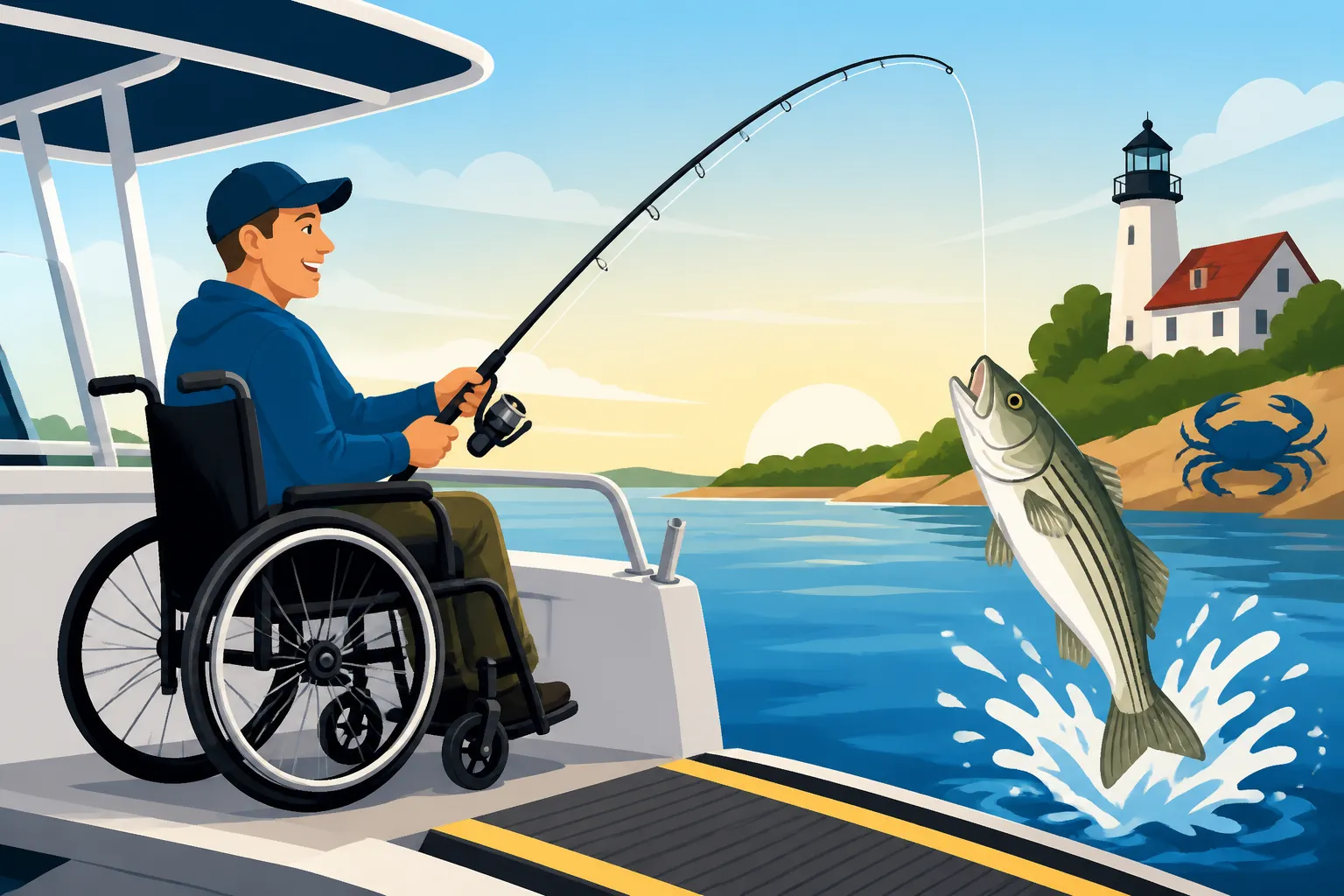
It can be incredibly disheartening to dream of a day out on the Chesapeake Bay or one of Maryland's beautiful rivers, only to find that most fishing charters simply aren't set up for wheelchair users. The thought of navigating narrow gangways, steep ramps, or cramped deck spaces can turn excitement into frustration. This guide is here to help you cut through that confusion and identify truly wheelchair-accessible fishing charters in Maryland, so you can enjoy the thrill of the catch without the logistical headaches.
Understanding the Challenge of Accessible Charters
Let's be honest, finding a truly accessible fishing charter isn't as simple as checking a box on a website. Many charter operators, while well-meaning, might not fully understand what "accessible" really entails for someone using a wheelchair. It's not just about getting onto the boat; it's about comfort, safety, and the ability to fully participate in the fishing experience once you're there.
The Reality of Older Boats and Infrastructure
A significant hurdle is that many charter boats, especially the smaller, privately-owned vessels that form the backbone of Maryland's charter fleet, weren't designed with accessibility in mind. They were built for able-bodied anglers, often with steep steps, narrow doorways to cabins, and limited open deck space. Marina infrastructure can also be a challenge, with floating docks that might not be level with the boat's gunwales or lacking proper ramp access from parking areas. Imagine arriving at a busy marina, ready for your trip, only to find a steep, uneven gangway that makes boarding impossible. It's a common and incredibly frustrating scenario for anglers with mobility challenges.
Beyond the boat itself, many of the older fishing towns along the Bay, while charming, often have older, less-than-ideal dock setups. You might find yourself needing to navigate uneven surfaces, gravel paths, or docks that weren't built with modern accessibility standards in mind. This isn't a knock on these places, it's just the reality of their history and construction, and it's something to be aware of when planning your trip.
What "Accessible" Truly Means on a Boat
When we talk about "wheelchair-accessible" on a fishing charter, we're thinking far beyond just a ramp. True accessibility encompasses a holistic experience. It means:
- Stable Boarding: A safe, gentle, and wide ramp or gangway that accommodates various wheelchair sizes and reduces the risk of tipping.
- Maneuverable Deck Space: Enough clear, unobstructed deck area (at least 32-36 inches wide) to turn a wheelchair around, reach rod holders, and position oneself comfortably to fish.
- Secure Fastenings: Designated, secure areas where a wheelchair can be safely anchored to prevent movement in rougher waters.
- Accessible Facilities: A restroom that is wide enough to enter, has grab bars, and allows for transfer from a wheelchair if needed. This is often the biggest sticking point on smaller vessels.
- Thoughtful Crew: A crew that is trained or experienced in assisting individuals with mobility impairments, understanding their needs, and being proactive in providing support without being patronizing.
- Emergency Preparedness: Knowing that the crew has protocols in place for emergency situations involving wheelchair users.
Without these key components, a boat might technically have "a ramp," but it won't offer a truly inclusive and enjoyable fishing experience.
The Frustration of Searching
The biggest frustration often comes from the lack of clear, standardized information. Websites might claim a boat is "accessible" without providing details, or you might spend hours calling different captains only to hit dead end after dead end. It feels like you're constantly explaining your needs, only to find out the boat barely meets the most basic definition, if that. This can be exhausting and make planning a fishing trip feel like an insurmountable task. Many anglers give up before they even start, which is a real shame because the joy of fishing should be available to everyone.
Finding specific details about boat dimensions, restroom accessibility, and crew experience with mobility challenges is rarely available on standard booking sites or even most individual charter websites. This puts the burden squarely on the angler to investigate every single option, which takes valuable time and energy. It's this lack of transparency that causes so much initial disappointment.
Key Features of a Wheelchair-Accessible Fishing Charter
When you're looking for a charter, knowing what specific features to ask about can save you a lot of time and heartache. True accessibility goes beyond just a plank. It's about designing an experience that ensures comfort, safety, and participation for every angler, regardless of their mobility.
Ramps and Entry Points
This is often the first thing people think of, but it's crucial to go beyond just "is there a ramp?"
- Width and Slope: A ramp needs to be wide enough (ideally 36 inches or more) to accommodate various types of wheelchairs, including power chairs, and have a gentle slope. A steep, narrow gangway can be dangerous and difficult to navigate, even with assistance. Ask about the maximum angle of the ramp, especially if tides might affect it.
- Handrails and Stability: Look for ramps with sturdy handrails on both sides, and ensure the ramp itself is stable and secure, not wobbly or prone to shifting. The transition from the dock to the ramp and from the ramp to the boat deck should be smooth, without significant lips or gaps that could snag wheels.
- Boarding Assistance: Even with a great ramp, sometimes a little help is needed. Confirm that the crew is ready and able to assist with boarding, and that they are comfortable with various types of wheelchairs. Some charters might have specialized boarding lifts or adjustable gangways, which are a huge bonus.
Consider contacting charter operators directly and asking for photos or even a video of their boarding process. A reputable charter will be happy to provide this information.
Deck Space and Maneuverability
Once you're on board, the ability to move around and position yourself is paramount. What good is getting on the boat if you're stuck in one spot?
- Clear Paths: The deck should have clear, unobstructed pathways, free of coolers, tackle boxes, or other equipment that could impede movement. You should be able to navigate from your fishing spot to the restroom or to a shaded area without difficulty.
- Turning Radius: Ensure there's enough open deck space to turn a wheelchair around, especially if you need to adjust your position to cast or reel in a fish. Aim for areas with at least a 60-inch clear circle for turning.
- Rod Holder Access: Are the rod holders within easy reach from a seated position? Are there adjustable rod holders that can be moved to a comfortable height and angle? Some boats might have specialized setups that allow a wheelchair user to secure their chair and fish comfortably from a designated station.
- Securement Points: For safety, especially on choppier days on the Chesapeake Bay, inquire if there are securement points or straps to anchor a wheelchair in place. This prevents unintended movement and ensures a more relaxed experience.
A good example might be a catamaran-style boat, which often offers wider, more stable decks than traditional monohulls, providing ample space for movement.
Accessible Restrooms and Facilities
This is often the biggest challenge on charter boats, but it's a non-negotiable for many.
- Doorway Width: The restroom doorway must be wide enough for a wheelchair to enter. Many boat heads (restrooms) are notoriously small.
- Interior Space: Once inside, there needs to be enough space to maneuver, close the door, and ideally, transfer from the wheelchair to the toilet if necessary. This means grab bars and clear floor space are essential.
- Toilet Height: A toilet that is at an appropriate height for transfer is also very important.
- Privacy and Comfort: Beyond the physical dimensions, consider the overall comfort and privacy. A clean, well-maintained restroom makes a huge difference.
If a boat claims to be accessible but doesn't have an accessible restroom, it's not truly accessible for a full day's outing. Don't be shy about asking very specific questions about the head's dimensions and features.
Crew Training and Assistance
The human element is just as important as the physical features of the boat.
- Experience with Mobility Challenges: Does the captain and crew have prior experience with wheelchair users or individuals with other mobility impairments? Their understanding and comfort level can significantly impact your experience.
- Proactive Support: A great crew will be proactive in offering assistance – helping with baiting, casting, netting fish, or simply making sure you're comfortable and hydrated – without being asked or making you feel like a burden. They understand the nuances of what might be needed.
- Communication: Open and clear communication is vital. A good captain will ask about your specific needs and preferences before the trip and maintain that dialogue throughout the day.
- Safety First: Ultimately, the crew is responsible for your safety. They should be well-versed in emergency procedures and how to assist a wheelchair user in an evacuation or other unforeseen circumstances.
A crew that truly embraces inclusive fishing will make all the difference, transforming a potentially stressful trip into a memorable adventure. They are often what truly makes a charter "accessible" in spirit, not just in structure.
Finding and Booking Your Accessible Maryland Charter
Now that you know what to look for, the next step is actually finding that perfect charter. This often requires a bit of detective work and direct communication, but it's well worth the effort for an unforgettable day on the water.
Online Platforms and Specialized Search
While general booking sites might not have robust filtering for accessibility, some platforms are improving. Sites like FishingBooker are beginning to add more specific filters and descriptions that can help narrow your search. When using such platforms:
- Look for "Wheelchair Accessible" Tags: Even if a charter has this tag, don't take it at face value. It's a starting point, not the end of your research.
- Read Descriptions Carefully: Look for specific mentions of ramp width, deck space, and restroom facilities. Generic statements like "accommodates all guests" aren't enough.
- Examine Photos and Videos: Many listings on platforms like FishingBooker will include photos or even virtual tours of the boat. Scrutinize these for clues about accessibility: wide doorways, open decks, and visible ramps. If you don't see what you need, ask for more.
- Filter by Boat Type: As mentioned, larger boats or certain designs like catamarans tend to offer more space. While not a guarantee, filtering by these types might increase your chances.
Remember, online platforms are a great tool for initial discovery, but they seldom replace direct communication for specific accessibility needs.
Direct Communication with Captains
This is perhaps the most critical step. Once you've identified a few potential charters, pick up the phone or send a detailed email. Don't be afraid to ask very specific questions. Here's a checklist of questions to consider:
- "What is the width of your gangway/ramp, and what is its maximum slope?"
- "Can you describe the clear deck space available for maneuvering a wheelchair, including turning radius?"
- "Do you have securement points for a wheelchair on deck?"
- "What are the dimensions of your restroom door, and is there enough space inside for a transfer or assistance?"
- "Do you have grab bars in the restroom?"
- "What is your crew's experience assisting anglers with mobility challenges?"
- "Can you provide photos or a short video of the boarding process and the deck layout?"
- "Are there any steps or significant thresholds on the boat?"
- "What is the maximum number of wheelchair users you can comfortably accommodate?"
It's also a good idea to discuss the type of fishing you're hoping to do. Will you be bottom fishing, trolling, or casting? This can impact where you need to be positioned on the boat and what kind of space you'll require. A good captain will appreciate your thoroughness and be transparent about their capabilities. If a captain is hesitant or vague, it's often a red flag.
Best Regions and Types of Fishing for Accessibility in Maryland
While accessibility is boat-specific, certain areas and fishing styles in Maryland might lend themselves better to accessible options.
- Chesapeake Bay: The Bay offers a wide variety of fishing, from Maryland Striped Bass Fishing Techniques to Bottom Fishing Techniques for Maryland Catfish. Larger head boats or party boats, often found in ports like Ocean City, Annapolis, or Deale, might have more space than smaller private charters, though their restrooms can still be an issue. These larger vessels often handle a higher volume of passengers and might be more accustomed to varied needs. However, always verify specifically for your needs. For private charters, focus on areas known for larger boats that might have been built with comfort in mind, such as those targeting Maryland Chesapeake Bay Fishing Charters, What to Expect.
- Ocean City: Offshore charters operating out of Ocean City, especially those targeting tuna or marlin, tend to be larger vessels built for comfort in open water. While the focus is often on the deep sea, some might offer better deck space. Also consider Party Boat Fishing Out of Ocean City options, but again, always call ahead.
- Reservoirs and Lakes: Freshwater fishing on larger lakes like Deep Creek Lake or Loch Raven Reservoir might offer different types of boats or pontoon boats that are inherently more stable and spacious. While specialized accessible fishing charters might be rarer here, a pontoon boat rental from a marina could be a DIY accessible option, providing a flat deck for fishing.
- River Systems: For species like blue catfish on the Potomac River, or snakehead in the Blackwater area, you'll often find smaller guide boats. This is where direct communication about specifics becomes absolutely critical, as these boats are less likely to have built-in accessibility. However, a dedicated guide might be willing to go above and beyond to make an experience work if you communicate clearly beforehand.
Consider asking if a particular charter can offer Family-Friendly Charter Trips in Maryland or Maryland Fishing Charters for Beginners and Families, as these often prioritize comfort and a less intense fishing experience, which can sometimes align with accessibility needs.
Preparing for Your Accessible Fishing Trip
Once you've found and booked your accessible fishing charter, a little preparation on your part can ensure a smooth and enjoyable day on the water. Thinking ahead helps manage expectations and allows you to truly relax and savor the experience.
Essential Questions to Ask Before Booking
Beyond the physical accessibility features, there are other practical questions that are important for your comfort and peace of mind:
- What is included in the trip? Does the charter provide all the necessary fishing gear, bait, and tackle? This is usually the case, but it's good to confirm. Ask if they have specialized rod holders or gear that might make it easier for you to fish from a seated position. Many What's Included in a Maryland Charter Fishing Price guides can give you a general idea, but specific accessibility items might be extra.
- Are licenses covered? Often, passengers on a licensed charter boat don't need their own individual Maryland Fishing License Guide for 2026 or saltwater angler registration. However, verify this with your captain to avoid any last-minute surprises. This is a common point of confusion, and clarifying it upfront is always best.
- What are the contingency plans for bad weather? Maryland weather can be fickle. Understand the charter's cancellation or rescheduling policy in case of inclement weather, especially if you're traveling a distance.
- Is there shade and seating beyond your wheelchair? A long day in the sun can be exhausting. Ensure there's adequate shaded areas on deck and any additional comfortable seating for breaks, or for companions.
- Can you bring your own food and drinks? Most charters allow this, but it's good to confirm, especially if you have specific dietary needs or preferences. Remember to bring plenty of water!
- What about fish cleaning? Will the crew clean and fillet your catch at the end of the trip? This is often a standard service, but asking beforehand ensures you know what to expect.
A helpful captain will openly discuss all these details, making sure you feel fully prepared and informed.
What to Bring for a Comfortable Experience
Even on the most accommodating charter, personal items can make your day much more pleasant.
- Comfortable Clothing: Dress in layers, as temperatures can change quickly on the water. Don't forget rain gear, even if the forecast looks clear.
- Sun Protection: A wide-brimmed hat, sunglasses, and plenty of reef-safe sunscreen are essential. The sun's reflection off the water can be intense.
- Medications and Personal Care Items: Pack any necessary medications, a small first-aid kit, and personal hygiene items, especially if you'll be using the boat's facilities.
- Snacks and Drinks: Even if food is provided, having your favorite snacks and plenty of water or other beverages is always a good idea. Consider a small, accessible cooler for your personal items.
- Camera: You'll want to capture those trophy shots! Make sure your camera or phone is easily accessible and protected from spray.
- Appropriate Footwear: Non-slip shoes are a must for safety on a boat deck, even if you are primarily in a wheelchair. If you need to transfer or move short distances, stable footing is critical.
- Personalized Fishing Gear (Optional): While charters typically provide gear, if you have a favorite rod, reel, or adaptive fishing equipment that you prefer, ask the captain if you can bring it.
Remember to communicate any specific needs to your captain well in advance so they can be adequately prepared to assist.
Managing Expectations and Enjoying the Day
Finally, while planning is crucial, a little flexibility and a positive attitude go a long way. Fishing is inherently unpredictable, and not every trip will result in a cooler full of fish. The true joy often comes from the experience itself – the fresh air, the camaraderie, and the peace of being on the water.
- Be Patient: Fishing takes patience, both for the fish to bite and for any logistical adjustments that might arise.
- Communicate: If something isn't comfortable or you need assistance, speak up! The crew is there to help, and they can't address an issue if they don't know about it.
- Embrace the Journey: Even if the fish aren't biting, enjoy the scenic beauty of the Chesapeake Bay, the Eastern Shore rivers, or the Atlantic Ocean. Take in the sights and sounds.
- Celebrate Small Victories: Landing any fish, big or small, is a triumph. Cherish the moment, take photos, and make memories.
- Give Feedback: After your trip, consider providing honest and constructive feedback to the charter company, especially regarding accessibility. This helps them improve for future anglers and guides others who might be searching for similar experiences on platforms like FishingBooker.
Finding a truly wheelchair-accessible fishing charter in Maryland might take a little extra effort, but the reward of a day spent on the water, reeling in a catch, is absolutely worth it. With careful planning and clear communication, you can turn that dream into a wonderful reality. Don't forget to check out Best Time of Year to Fish in Maryland to pick the perfect season for your adventure, and if you're thinking about a specific target, perhaps Maryland Striped Bass Fishing Techniques or Maryland Blue Catfish, an Invasive Giant could spark some ideas!
| Feature Category | Key Questions to Ask Charter Captains | Why It Matters |
|---|---|---|
| Boarding Access | What is the width and slope of your ramp/gangway? | Ensures safe and easy transfer from dock to boat. |
| Are there handrails, and is assistance provided? | Added safety and support during boarding. | |
| Deck Maneuverability | What is the clear deck space for turning a wheelchair? | Allows free movement to fish, reach amenities, and adjust position. |
| Are there securement points for a wheelchair? | Prevents accidental movement and enhances safety on choppy waters. | |
| Are rod holders accessible from a seated position? | Enables full participation in fishing activity. | |
| Restroom Facilities | What are the dimensions of the restroom door and interior? | Crucial for entry, maneuvering, and potential transfer. |
| Are grab bars installed in the restroom? | Provides stability and aid for transfers. | |
| Crew Experience | Does your crew have experience with mobility-impaired anglers? | Ensures informed, proactive, and respectful assistance. |
| How do you assist with baiting, casting, or netting? | Guarantees support for fishing tasks, enhancing the experience. | |
| General Comfort | Is there ample shaded area on deck? | Protects from sun exposure during long days on the water. |
| What is your policy on personal food/drinks? | Allows for personal dietary needs and preferences. | |
| Are all necessary licenses/permits covered for passengers? | Avoids legal issues and last-minute expenses. |
Disclaimer
This article is for general informational purposes only and does not constitute professional advice. Laws, prices and regulations vary by location and change over time. Consult a qualified professional for guidance on your specific situation.