What Happens If You Get Seasick on a Charter Boat?
Oh, the dreaded seasickness! It's a concern that keeps so many aspiring anglers from even stepping foot on a charter boat, ruining what should be an amazing day on the water before it even begins. That queasy feeling, the dizziness, the clammy sweats, and the absolute misery that can come with it can make you swear off boats forever. This guide is here to walk you through exactly what happens when seasickness strikes on a Maryland fishing charter, how to prevent it, and what your captain and crew will do to help you through it.
Understanding Seasickness: More Than Just a Queasy Stomach
Let's be honest, seasickness is no joke. It's not just a little upset stomach; for some, it can be truly debilitating, turning a dream fishing trip into a nightmare. Knowing what's happening to your body can sometimes help demystify it and make it feel a little less overwhelming when it starts to set in.
What Causes It? Conflicting Signals in Your Inner Ear
At its core, seasickness, or motion sickness, is a disconnect between what your eyes see and what your inner ear — your body's balance system — senses. When you're on a boat, your inner ear is sending signals to your brain that you're moving and swaying. However, if you're down in the cabin looking at a fixed object, your eyes might be telling your brain that you're perfectly still. This conflict of information can confuse your brain, leading to that awful feeling of nausea, dizziness, and general malaise.
Think about it this way: your body is trying to make sense of its environment. When it can't reconcile the conflicting input from your senses, it sometimes defaults to a "poison" response, causing you to feel sick in an attempt to expel whatever it thinks is wrong. It's a primal defense mechanism, albeit a terribly inconvenient one when you're just trying to catch some rockfish. Understanding that it's a physiological response, not just "all in your head," can sometimes make you feel a little more validated in your discomfort.
The rocking and rolling of the Chesapeake Bay, especially on a blustery day or when crossing boat wakes, can exacerbate these conflicting signals. Even small movements, if sustained over time, can trigger it in susceptible individuals. It's a common issue, and you are absolutely not alone if you've experienced it.
Common Symptoms and Their Progression
Seasickness usually doesn't hit you like a ton of bricks all at once. For most people, it starts subtly and escalates. Initially, you might just feel a bit "off" – a slight headache, a general sense of fatigue, or an increased sensitivity to smells (especially diesel fumes or bait). Then, that tell-tale queasy feeling might begin to creep into your stomach.
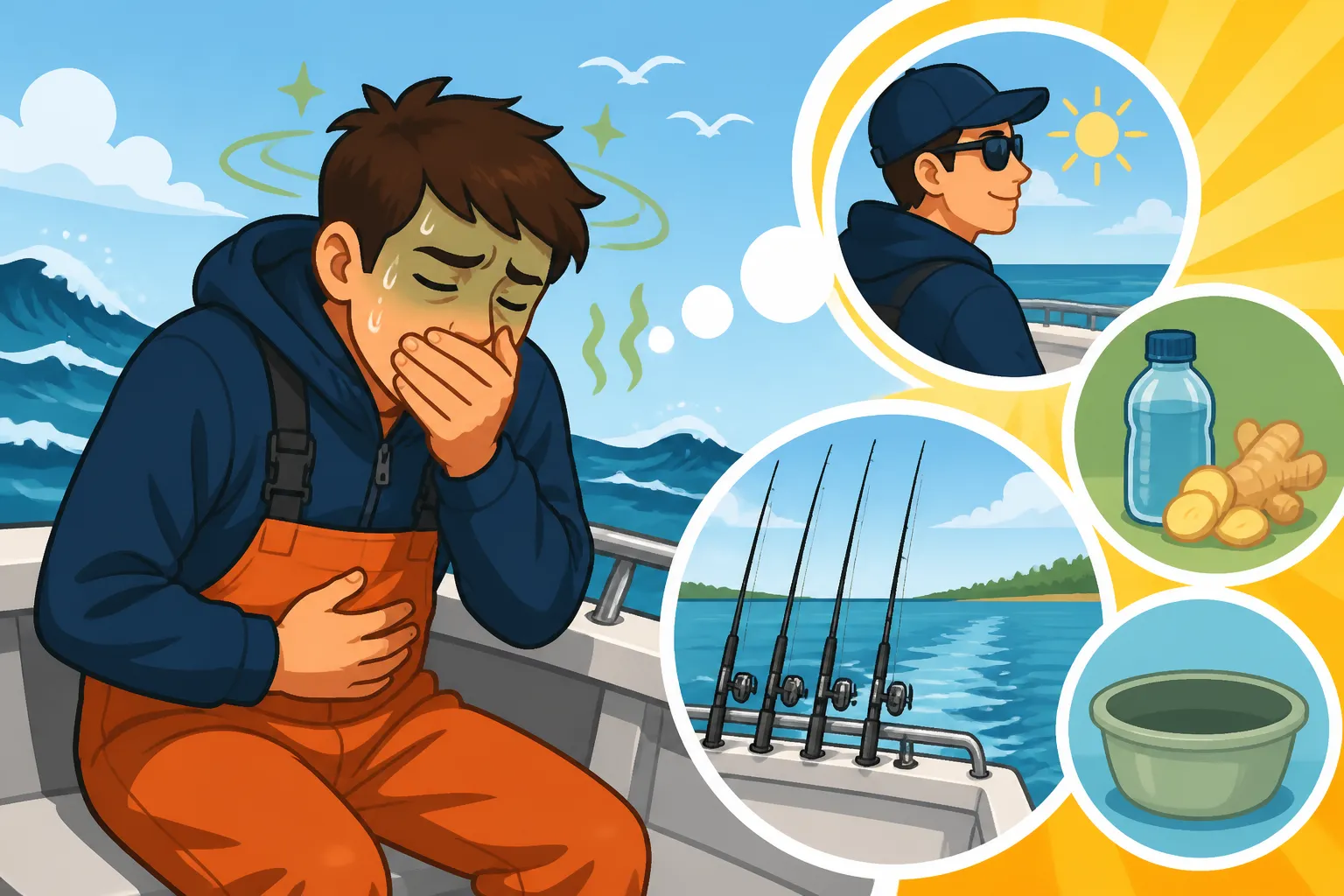
As it progresses, the dizziness can become more pronounced, making it hard to focus your eyes. You might start to sweat profusely, feel clammy, and your skin could turn a pale greenish hue. The thought of food or drink can become repulsive. In its most severe form, seasickness leads to vomiting, which, while offering temporary relief for some, can also lead to dehydration and further exhaustion. It's a miserable progression, and anyone who has been through it can tell you it's not something you want to experience while holding a fishing rod. The key is often to catch it early before it spirals out of control.
Why It Hits Some People Harder Than Others
Have you ever wondered why your friend can sleep through a hurricane on a boat, while you're clinging to the rail after five minutes? It's not fair, right? The truth is, susceptibility to seasickness varies greatly from person to person, and scientists are still figuring out all the nuances. Some factors are well-known, like genetics – if your parents get seasick, you might be more prone to it too.
Other factors include fatigue, anxiety, and even your diet before boarding. If you're running on little sleep, feeling stressed about the trip, or had a heavy, greasy breakfast, you might be setting yourself up for a tougher time. Young children and pregnant women are also often more susceptible. It's not a sign of weakness; it's just how your unique physiological system responds to motion. Don't let anyone tell you to "suck it up" – they simply might not understand the profound discomfort it can cause.
Preventative Measures Before You Even Board
The absolute best way to deal with seasickness is to prevent it from happening in the first place. A little preparation goes a long way, and trust me, you'll thank yourself later when you're enjoying the bite instead of battling the urge to heave over the side.
Medication Options and Timing
When it comes to seasickness medication, timing is everything. Most of these remedies work best when taken before you start to feel sick, allowing them to get into your system and preemptively block those confusing signals. Waiting until you're already green around the gills is often too late for them to be truly effective.
Common over-the-counter options include Dramamine (dimenhydrinate) and Bonine (meclizine). Dramamine can cause drowsiness in some people, so if you're planning on being alert, Bonine might be a better choice as it's often marketed as "non-drowsy." For longer trips or more severe cases, a scopolamine patch (Transderm Scop) that you wear behind your ear can be very effective, but these usually require a prescription and need to be applied several hours before you even leave the dock. Always read the instructions carefully and consult with your doctor or pharmacist if you have any underlying health conditions or are taking other medications. Don't just pop a pill; understand what you're taking and when. This small step could be the difference between a fantastic day and a miserable one.
| Medication Type | Key Ingredient | Typical Onset | Duration | Potential Side Effects | Notes |
|---|---|---|---|---|---|
| Oral Antihistamine | Dimenhydrinate | 30-60 min | 4-6 hours | Drowsiness, dry mouth | Common, effective if taken early. |
| Oral Antihistamine | Meclizine | 30-60 min | 8-24 hours | Less drowsiness, dry mouth | Often preferred for longer trips/less sedation. |
| Scopolamine Patch | Scopolamine | 4 hours | Up to 3 days | Dry mouth, blurred vision | Prescription required, very potent. |
Natural Remedies and Lifestyle Choices
If you're not keen on taking medication, or want to supplement it, there are several natural approaches that many anglers swear by. Ginger, in various forms, is a popular choice. You can try ginger candies, ginger ale, or even raw ginger slices. Some people find relief from acupressure wristbands, like Sea-Bands, which apply pressure to a point on your wrist believed to alleviate nausea. While scientific evidence for these can vary, many individuals report significant benefit, and they certainly don't hurt to try!
Beyond specific remedies, making smart lifestyle choices before your trip can have a huge impact. Get a good night's sleep the night before. Avoid heavy, greasy, or acidic foods and excessive alcohol the evening prior and the morning of your trip. Opt for light, easily digestible snacks like crackers or toast. Stay well-hydrated with water, but avoid sugary drinks or too much caffeine. What to Bring on a Maryland Fishing Charter is a good read for packing smart and preparing for the day ahead. These small adjustments can create a much more stable internal environment, making you less susceptible to the effects of the motion.
Choosing the Right Charter and Conditions
Believe it or not, your choice of charter boat and even the weather conditions can play a big role in your seasickness experience. Larger boats with deeper hulls tend to ride more smoothly than smaller, shallower vessels. If you know you're prone to motion sickness, asking about the boat size when you book can be a smart move. Websites like FishingBooker often provide details about the vessel, including its length, which can give you a clue. You can also specifically ask the captain about how their boat handles chop.
Furthermore, pay attention to the marine forecast. A calm day with light winds and gentle seas will be much more forgiving than a day with strong winds and choppy conditions. If you have the flexibility, try to schedule your trip on a day with favorable weather. Don't hesitate to communicate your concerns about seasickness with the charter company when you book. A good captain understands and can often offer advice or suggest trips that stay in calmer, more protected waters within the Chesapeake Bay. This is particularly important if you're bringing family, as Family-Friendly Charter Trips in Maryland often prioritize comfort.
Onboard Strategies: When Seasickness Strikes
Okay, so you've done everything right, but that tell-tale queasiness starts to creep in. Don't panic! There are still strategies you can employ on the boat to help manage your symptoms and prevent them from escalating.
Where to Position Yourself on the Boat
One of the most immediate and effective things you can do is adjust your position on the boat. The sweet spot for minimizing motion is typically mid-ship, near the center of the boat's roll and pitch axis. This area experiences the least amount of movement compared to the bow (front) or stern (back), which can heave and yaw much more dramatically.
Equally important is getting fresh air and focusing on the horizon. Don't bury your head in your hands or stare at your phone. Instead, find a spot where you can look out at the distant horizon, letting your eyes confirm the motion your inner ear is feeling. This helps to re-synchronize those conflicting signals. If you're below deck and start to feel unwell, get up into the open air immediately. Even if it's chilly, the fresh air can do wonders compared to the stuffy confines of a cabin, which often exacerbates the feeling. Many Maryland fishing charters have ample deck space, so use it to your advantage.
Communicating with Your Captain and Crew
This is crucial, and it’s where many people stumble. There's often an understandable embarrassment associated with seasickness. You don't want to "ruin" the trip or seem like a "bad sport." Let me tell you, as someone who's spent years on the water, your captain and crew have seen it all. Everything. From mild queasiness to full-blown projectile vomiting. They are professionals, and their primary concern is your safety and comfort.
As soon as you start to feel even a little bit off, tell someone. A simple "Hey Captain, I'm feeling a bit green" is enough. They can offer immediate suggestions, help you find a better spot, or even hand you a cold towel. They might also be able to adjust the boat's course slightly to minimize rocking or slow down if conditions allow. Holding it in and trying to tough it out only makes it worse, and by the time you're truly incapacitated, it's much harder for them to help you. Open communication ensures you get the support you need promptly. For more about what to expect generally, check out Maryland Chesapeake Bay Fishing Charters, What to Expect.
Coping Mechanisms and Relief Techniques
Once the seasickness has taken hold, you'll need some coping mechanisms. Beyond looking at the horizon and getting fresh air, try to keep your head as still as possible. Lying down flat on your back, if safe and practical, can sometimes help stabilize your inner ear. If you can stomach it, small sips of plain water or ginger ale can help with dehydration and settle your stomach. Avoid acidic juices or anything with a strong flavor.
Some people find it helpful to close their eyes for short periods, especially if the visual input is making things worse. Others try to distract themselves by focusing on a task, like reeling in a fish (if you're lucky enough to still be able to!). However, don't push yourself. If you need to stop fishing for a while and just focus on breathing, that's perfectly fine. Remember, the crew is there to assist you and they are accustomed to dealing with these situations.
What a Maryland Charter Captain Will Do for You
It's natural to worry about how your discomfort will be handled, but rest assured, professional charter captains and their crew are well-prepared for seasickness. They prioritize your well-being.
Professionalism and Passenger Comfort
A good Maryland charter captain prides themselves on providing a safe and enjoyable experience for all passengers. Seasickness is a common occurrence, and it's something they've factored into their operational procedures. They're not going to roll their eyes or make you feel bad. Instead, they'll approach the situation with empathy and professionalism. This is why it’s so important to book with a licensed captain; Choosing a Licensed Captain in Maryland explains why this matters.
Their goal is to mitigate your discomfort as much as possible, making sure you're safe and that the situation doesn't worsen. This might involve changing course, finding calmer waters, or simply offering a kind word and some practical advice. They understand that a miserable passenger is not good for their business or reputation, so they are invested in helping you feel better. Remember, their vessel is also equipped with all the necessary safety equipment, and they know how to respond to various emergencies, seasickness included.
Providing a Safe Space and Assistance
While you might envision yourself getting sick right on the fishing deck, most charter boats have a head (bathroom) for privacy. If you start to vomit, the crew will direct you to it. They'll also be prepared with clean-up supplies and will handle any messes discretely and efficiently. You absolutely do not need to feel embarrassed – it happens!
Beyond the practicalities, they'll check on you regularly, offering water, crackers, or other small comforts if appropriate. Some captains even carry a small supply of over-the-counter seasickness remedies for those who forgot or didn't think they'd need them (though it's always best to bring your own). They might suggest you lie down in the cabin for a bit, providing a cool, dark, and stable place away from the motion and the elements. They're not just there to find fish; they're there to ensure your overall experience is as positive as possible, even if you're not feeling your best. Also, remember that Maryland Charter Boat License Coverage for Passengers means you're under their care.
Making the Decision to Head Back Early
This is often the hardest part, both for the passenger and the captain. If seasickness becomes severe and persistent, to the point where you are truly incapacitated, severely dehydrated, or simply unable to function, a good captain will make the call to head back to the dock. This is not a decision taken lightly, as it impacts the rest of the paying passengers and the captain's schedule. However, passenger well-being always comes first.
They'll likely try every trick in the book first – changing location, slowing down, offering various remedies – but if nothing works, getting you safely back to land is the priority. While it might be disappointing to cut a trip short, it’s far better than enduring hours of intense misery on the water. Don't push yourself to the point of danger. Your captain will understand and won't fault you for being unwell. In some rare cases, if a passenger is severely ill, they may even call for medical assistance if deemed necessary, but this is extremely rare for typical seasickness.
After the Trip: Recovering and Reflecting
So, you've made it back to solid ground. The world has stopped swaying, and you're starting to feel human again. What now?
Post-Trip Recovery Tips
Once off the boat, the immediate relief is often palpable. However, your body might still be recovering from the ordeal. It's common to feel a bit "rocky" or like you're still on the boat for a few hours, or even a day, after returning to land. This sensation is called "mal de débarquement" or "disembarkation syndrome" and it's completely normal, albeit a bit disorienting.
The best thing you can do is rest. Get some quiet time, perhaps a nap. Hydrate thoroughly with water or electrolyte drinks to replenish any fluids lost. Start with light, bland foods like toast, crackers, or soup, gradually reintroducing more substantial meals as your stomach settles. Avoid heavy, greasy, or spicy foods for a while. A shower can sometimes help wash away the feeling of clamminess and refresh you. Most importantly, don't rush back into strenuous activity. Give your body the time it needs to fully recalibrate. For a comprehensive list of what else you might need on a fishing trip, consider Do You Need Your Own Cooler on a Maryland Charter?.
Should You Try Again? Learning from Experience
Being severely seasick can understandably make you swear off boats forever. But don't let one bad experience ruin your chances of enjoying fishing in Maryland! Many people find that their next trip is much better, especially armed with new knowledge and preventative strategies.
Reflect on what might have contributed to your seasickness. Did you forget your medication? Were the conditions particularly rough? Did you not get enough sleep? Learn from that experience. Maybe for your next trip, you'll choose a larger vessel, go on a calmer day, or commit to taking preventative medication religiously. You could also try booking a shorter, half-day trip instead of a full day to ease back into it. Many people overcome seasickness with proper planning and a few successful, less intense trips. Remember, fishing the Chesapeake Bay is an incredible experience, and it would be a shame to miss out permanently. If you're planning a special occasion, like a Booking a Charter for a Birthday or Anniversary Trip, you'll want to ensure everyone is comfortable.
Long-Term Impact and Future Considerations
For most people, seasickness is a temporary ailment with no lasting physical impact. Once your body readjusts to stable ground, the symptoms vanish. However, some individuals might develop a psychological aversion to boats or even the idea of motion, and that's okay. It’s a very real response to an unpleasant experience.
If you're still keen to fish but wary of charters, consider shore fishing or pier fishing, which don't involve boat motion at all. Maryland has plenty of fantastic options for both! Best Piers and Shore Fishing Spots in Maryland offers some great ideas. For future charter bookings, you might want to look at specific conditions or even consider freshwater lake charters, such as those on Deep Creek Lake, which tend to have much less significant motion than the open Bay or ocean. Websites like FishingBooker allow you to filter by location and type of fishing, which can help you find calmer waters. With careful planning and understanding, you can still enjoy the thrill of fishing in Maryland without the fear of seasickness. And who knows, you might even catch enough fish for Best Maryland Charters for Catching Dinner in Maryland!
Disclaimer
This article is for general informational purposes only and does not constitute professional advice. Laws, prices and regulations vary by location and change over time. Consult a qualified professional for guidance on your specific situation.