How Much Does a Half-Day Fishing Charter Cost in Maryland?
So, you've been dreaming of a half-day fishing trip on the Chesapeake Bay or out of Ocean City, but the thought of figuring out the cost has you scratching your head. It's tough to know what to expect when every charter seems a little different, and you just want to get a clear picture without any surprises. This guide is here to demystify the expenses associated with half-day fishing charters in Maryland, helping you understand what drives the price and how to budget for your next adventure.
Understanding the Factors That Influence Half-Day Charter Costs
When you start looking into booking a fishing charter, especially for a half-day trip, it's easy to feel overwhelmed by the variety of price points. It's not just a simple "this is the cost" situation; a lot of moving parts determine what you'll end up paying. Think of it less like buying a gallon of milk and more like pricing a custom-made cake – many ingredients contribute to the final tally. Understanding these underlying factors is key to setting realistic expectations and finding the right charter for your budget and fishing goals.
Location, Location, Location: Bay vs. Ocean vs. Freshwater
One of the biggest drivers of a charter's cost in Maryland is where you plan to fish. The state offers a diverse range of aquatic environments, and each comes with its own set of operational expenses for charter captains.
Fishing the Chesapeake Bay, for instance, generally presents a more accessible price point compared to venturing offshore. A typical half-day trip on the Bay might target striped bass (rockfish), white perch, or bluefish. These trips often involve shorter runs from the dock to fishing grounds, less fuel consumption, and sometimes smaller vessels. You'll find numerous charter boats operating out of ports like Annapolis, Deale, Solomons Island, and Kent Island, offering a competitive market for half-day excursions. The captain's local knowledge of the Bay's many channels and oyster reefs is invaluable here. Many guides specialize in particular sections, whether it's the upper Bay for spring trophy season or the mid-Bay during the summer.
On the flip side, an offshore half-day trip out of Ocean City can be significantly pricier. Why? Because these trips often involve much larger, more powerful boats designed to handle ocean conditions and make longer runs to deeper waters. Targeting species like tuna, dolphin (mahi-mahi), or even shark requires more specialized, heavy-duty gear, more substantial fuel burns, and a higher level of preparation for safety. Even "inshore" charters out of Ocean City, targeting flounder or sea bass around wrecks and reefs, often involve navigating the inlet and nearshore ocean, which adds a layer of complexity and cost not present in a protected bay. For those looking for an epic offshore experience, the added cost is often well worth it for the chance at big game.
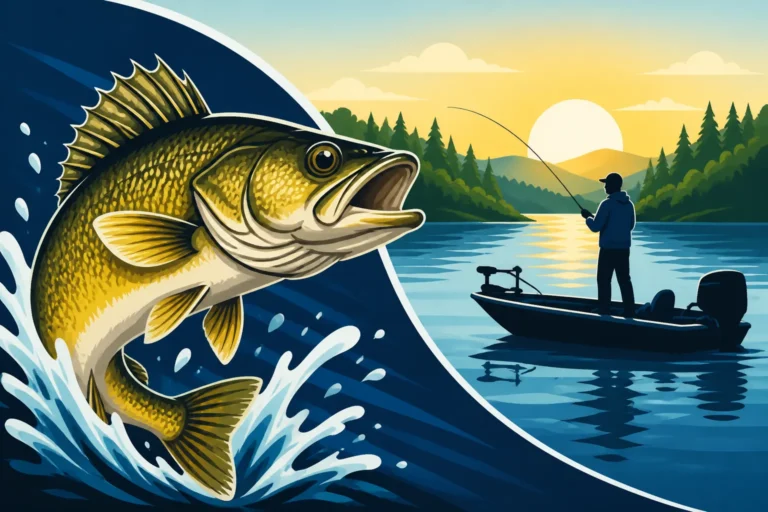
Then there's freshwater fishing, particularly on larger lakes like Deep Creek Lake in Western Maryland. While less common for dedicated half-day charters in the same vein as Bay or ocean trips, you'll find professional fishing guides who offer half-day excursions. These often involve smaller boats, like bass boats or pontoons, and target species like smallmouth bass, largemouth bass, walleye, or trout. The operational costs for these guides are usually lower than their saltwater counterparts, but you're paying for highly specialized knowledge of a particular lake or river system. When considering Hiring a Deep Creek Lake Fishing Guide in Maryland, you'll find that their rates reflect their intimate understanding of the lake's contours and seasonal fish patterns.
Boat Size, Type, and Amenities
The vessel itself plays a huge role in the price tag of your half-day charter. Just like cars, there's a vast difference between a compact sedan and a luxury SUV, and charter boats are no different.
A smaller bay boat, often 20-28 feet in length, is perfectly suited for navigating the shallower waters of the Chesapeake Bay or specific rivers. These boats are typically less expensive to operate, maintain, and insure. They might not have all the bells and whistles of a larger vessel, but they are efficient and effective for targeting a variety of popular Bay species. A smaller group size often means a more intimate fishing experience, with more direct interaction with the captain.
Larger vessels, especially those designed for offshore excursions out of Ocean City, often start at 35 feet and can go much larger. These boats are built for comfort and safety on the open ocean, featuring enclosed cabins, bathrooms, and often more advanced electronics like radar and sophisticated fish finders. The cost of fuel alone for these bigger engines can be substantial, and maintenance for complex systems adds up. You're also paying for the ability to safely accommodate more passengers and to carry more gear. Even on the Chesapeake Bay, some captains operate larger, more luxurious sportfishing boats that command higher prices due to their amenities and comfort.
Consider the amenities offered too. Does the boat have a private head (restroom)? Is there an air-conditioned cabin for breaks from the sun? Does it have a livewell system for bait, or state-of-the-art outriggers for trolling? All these features contribute to the overall experience and, inevitably, the cost. A basic, no-frills boat might get you to the fish just fine, but a more amenity-rich vessel provides a more comfortable and potentially more versatile trip.
Targeted Species and Gear Requirements
What you're hoping to catch directly influences the cost, primarily due to the specialized gear and techniques required.
Let's say you're after striped bass (rockfish) in the Chesapeake Bay. For a half-day trip, captains might employ a variety of methods: trolling with planers and spoons, jigging near structure, or even live-lining spot. The rods, reels, and tackle for these techniques are robust but generally standard for saltwater fishing. Bait, like bunker or soft crabs, might be used, adding a relatively modest cost. The boat itself might not need super-specialized rigging beyond a good fish finder and rod holders. When Maryland Striped Bass Fishing Techniques vary, so too do the gear requirements.
Now, imagine you want to target white marlin or tuna offshore from Ocean City. This is a whole different ballgame. The rods and reels are much heavier-duty, capable of handling powerful, fast-running fish. Specialized lures, teasers, and often an ample supply of ballyhoo or other premium baits are needed. The boat itself needs to be rigged for offshore trolling, potentially with outriggers and a fighting chair. The fuel consumption for running miles offshore and then continuously trolling is also a major factor. The captain and crew for these trips are highly skilled in a specific, demanding style of fishing, and their expertise comes at a premium.
Even for freshwater trips, the target species can dictate costs. A guide focusing on fly fishing for trout on a Western Maryland river might charge differently than a guide targeting bass on Deep Creek Lake. Fly fishing requires a different set of skills and equipment, often involving wading or smaller drift boats, which impacts the overall operational cost structure. The level of specialization in the gear and the captain's expertise for a particular species or technique is a significant component of the half-day charter price.
What a Typical Half-Day Charter Price Includes (and Excludes)
It’s easy to look at a charter price and think it’s the final number, but often, there are nuances in what’s covered and what’s not. Understanding these inclusions and exclusions upfront is crucial for avoiding any unwelcome surprises when it's time to settle up. Just like when you're buying a flight, the base fare often doesn't tell the whole story of your travel expenses.
Standard Inclusions
When you book a half-day fishing charter in Maryland, you can generally expect a few key things to be part of the advertised price. These are the essentials that allow you to step aboard and start fishing without needing to bring a truckload of your own gear.
First and foremost, the expertise of the licensed captain and often a mate is included. This is arguably the most valuable part of the package – you're paying for their years of experience, their knowledge of local waters, current fish patterns, and their ability to safely navigate. They know the hotspots for Best Time of Year to Fish in Maryland for various species and how to maximize your chances of a successful trip.
Secondly, the boat itself, along with all the necessary safety equipment (life jackets, first aid, radios), is part of the deal. You don't need to worry about maintaining or insuring a vessel; that's the captain's responsibility. Fishing rods, reels, and general tackle (hooks, weights, leaders) are also typically provided. This means you don't need to invest in expensive gear just for one trip, which is a huge benefit, especially for beginners or those traveling from out of state.
Perhaps most importantly, a Maryland fishing license that covers everyone on board is usually included as part of a charter trip. This is a fantastic convenience, as individual licenses can be a hassle to acquire, especially for non-residents or those unsure about Do You Need a License for a Maryland Fishing Charter?. The charter's blanket license ensures everyone is fishing legally. Additionally, fresh or live bait, appropriate for the target species, is almost always supplied. Whether it’s bunker for rockfish in the Bay or squid for flounder off Ocean City, the captain will have the right bait ready to go. Lastly, basic ice for keeping your catch fresh is often provided, usually in a cooler on deck.
Common Exclusions and Hidden Costs
While a lot is covered, there are several things that are almost universally not included in the base price of a half-day charter, and being aware of these can save you from a post-trip sticker shock.
The biggest "hidden" cost, though widely known in the charter world, is gratuity for the captain and especially the mate. These hardworking individuals rely heavily on tips as part of their income. A general guideline is to tip 15-20% of the charter fee, assuming they provided excellent service. This is critical to remember when calculating How Much to Tip a Maryland Fishing Charter Mate. Neglecting this can leave a sour taste after an otherwise great trip.
Another common exclusion is fish cleaning and filleting. While some captains might offer this as a complimentary service, many will charge an additional fee, particularly for larger catches or if you have a significant number of fish. This is fair, as it takes time, effort, and often specialized equipment. Always ask upfront if cleaning is included or what the charge might be.
Food and drinks are almost always up to you to bring. Charters might provide a cooler with ice, but you'll need to pack your own snacks, sandwiches, and beverages. Consider how long a half-day trip actually is and plan accordingly, especially on warmer days. Many anglers will also bring their own cooler for transporting their cleaned fish home, as the boat’s cooler might be used for other purposes or shared amongst multiple groups on party boats.
Sometimes, especially with rising fuel costs, captains might implement a fuel surcharge if the price of gas spikes unexpectedly. While not super common for half-day trips on the Bay due to shorter runs, it's something to clarify, especially for longer half-day trips or specific offshore destinations. Lastly, highly specialized tackle that gets lost or broken, beyond normal wear and tear, might incur an extra charge, though this is less frequent on a standard half-day trip. Always ask if there's a policy regarding lost lures or broken rods.
Navigating Options and Finding Value for Your Half-Day Trip
With so many variables affecting the cost of a half-day fishing charter in Maryland, it can feel like a puzzle trying to find the right fit for your budget and group. However, by understanding the different types of charters available and employing smart booking strategies, you can absolutely find great value and a fantastic fishing experience without breaking the bank.
Private Charters vs. Head Boats/Party Boats
One of the most significant choices you’ll make when booking a half-day trip is whether to opt for a private charter or a spot on a head boat (often called a party boat). Each has distinct cost implications and offers a very different experience.
Private Charters:
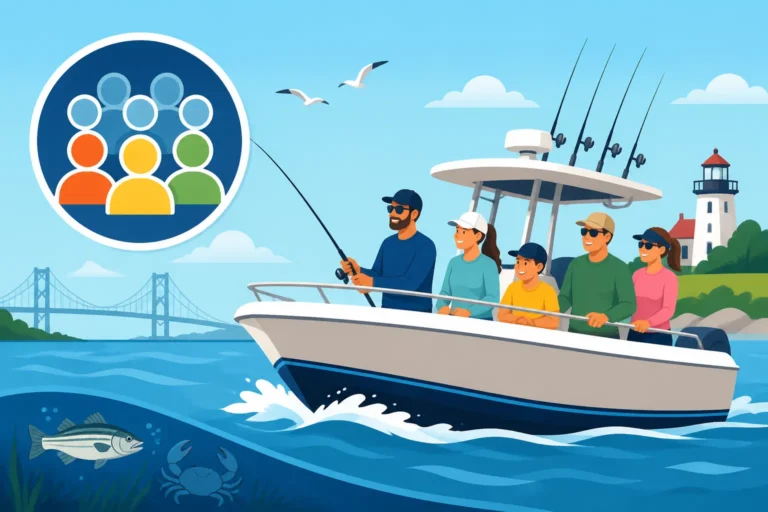
A private charter means you, and your chosen group (usually up to 6 people), have the entire boat and crew to yourselves. This offers immense flexibility. You can often discuss with the captain what species you'd like to target, where you want to go (within reason for a half-day), and even how long you want to spend at a particular spot. The experience is tailored to your group's preferences and skill level. This personalized attention, combined with the exclusivity of the boat, means private charters are generally more expensive on a per-person basis, especially for smaller groups. However, if you have a group of four to six anglers, splitting the cost can make it quite competitive. For a half-day, this often means focused attention on one or two specific techniques, maximizing your chances for a target species. This is the ideal choice if you want to learn specific techniques or simply enjoy the company of your friends and family without distractions. Many guides listed on platforms like FishingBooker offer detailed descriptions of their private charter options.
Head Boats / Party Boats:
Head boats, or party boats, operate on a different model. You pay per person for a spot on a larger vessel that accommodates many anglers (sometimes dozens or even a hundred). These boats typically run on a fixed schedule, targeting specific, commonly caught species, often through bottom fishing or chumming. While you won't get the same level of personalized attention as on a private charter, head boats are significantly more affordable on an individual basis. They're a great option for solo anglers, couples, or smaller groups who want to experience fishing without the higher cost of a private boat. They are also fantastic for beginners, as the crew is usually adept at helping multiple people rig lines and land fish. Ocean City, for example, has several popular head boats that run half-day trips targeting sea bass, flounder, and other bottom dwellers. While the fishing can be productive, the experience is more communal and less customizable. When comparing Private vs Party Boat Fishing in Maryland, consider your budget, group size, and desired level of intimacy and customization.
| Feature | Private Half-Day Charter | Head Boat / Party Boat (Half-Day) |
|---|---|---|
| Cost Structure | Fixed price for the boat (up to 6 people) | Per-person fee |
| Group Size | Your private group (typically 1-6 anglers) | Large, mixed group of many individuals |
| Flexibility | High; customize target species, locations, techniques | Low; fixed schedule, specific target species/techniques |
| Crew Attention | Highly personalized, dedicated captain and mate | General assistance for many anglers |
| Target Species | Often specific (e.g., striped bass, flounder, blues) | Often common bottom fish (e.g., sea bass, croaker) |
| Experience Level | Great for all, from beginners to experienced anglers | Excellent for beginners, families, and solo anglers |
| Comfort | More space per person, private amenities often | More crowded, shared amenities |
Booking Strategies to Consider
Being strategic about when and how you book can also impact the cost and availability of your half-day charter.
Book in Advance, Especially for Peak Season: Maryland's fishing seasons, particularly for popular species like striped bass, can be incredibly busy. The spring trophy season and the fall rockfish run are prime times, and charters book up quickly. While the exact dates for Maryland's 2026 Striped Bass Season Dates will vary, knowing when these peak periods occur can help you plan. Booking several weeks or even months in advance not only secures your spot but can sometimes lock in a better rate. Last-minute bookings, if available, might sometimes be discounted, but you risk limited choices or no availability at all. This is especially true for popular captains and sought-after boats.
Consider Off-Peak Times or Weekdays: If your schedule allows, booking a half-day trip during a weekday rather than a weekend, or in the shoulder seasons (early spring or late fall, outside of prime trophy periods), can sometimes be more affordable. Captains might offer slight discounts or have more flexibility in scheduling during these less busy times. It also often means fewer boats on the water, leading to a more serene and potentially more productive fishing experience.
Utilize Online Booking Platforms: Websites like FishingBooker are invaluable resources for comparing charters. These platforms allow you to filter by location, trip duration (half-day), target species, and even boat size. You can see what's included in the price, read reviews from other anglers, and often book directly. This transparency makes it much easier to compare options side-by-side and find a charter that aligns with your budget. They often provide a clear breakdown of pricing, which helps in identifying any potential "hidden" costs.
The Importance of Clear Communication
No matter how you book, the single most important thing you can do to manage costs and expectations is to communicate clearly with the charter captain or booking agent.
Ask About Everything Upfront: Before you confirm your booking, don't be shy about asking specific questions. What exactly is included in the base price? What are the policies on fish cleaning? Is gratuity expected, and what is the typical amount? Are there any potential fuel surcharges? What happens if the weather is bad – is there a refund policy or a rescheduling option? This open dialogue prevents misunderstandings and ensures you have a complete picture of the total cost. Asking "what to bring on a Maryland fishing charter" is also a great way to ensure you're prepared and don't assume something is provided when it isn't.
Confirm All Details in Writing: Whenever possible, get the agreed-upon price, inclusions, and cancellation policy in writing, even if it's just an email confirmation. This serves as a record for both parties and can be incredibly helpful if any discrepancies arise. Reputable charters will be happy to provide this information. A transparent captain who openly discusses all aspects of the trip, including costs, is a sign of a professional operation and helps build trust, making your half-day adventure much more enjoyable.
The Value Beyond the Dollar Sign
When you look at the price tag for a half-day fishing charter, it’s natural to focus on the immediate cost. However, it's crucial to remember that you're paying for much more than just a boat ride and some fishing gear. A professional fishing charter offers an unparalleled experience, blending expert guidance with safety and top-notch equipment that significantly enhances your chances of a memorable and successful day on the water.
Expertise and Local Knowledge
The true premium of a fishing charter lies in the captain's expertise and intimate local knowledge. These individuals have often spent decades on the water, honing their skills and learning the intricacies of Maryland's diverse fisheries. They know the Chesapeake Bay's channels, oyster bars, and drop-offs like the back of their hand, or the precise wrecks and reefs offshore of Ocean City that hold particular species. This isn't just about knowing where the fish are; it's about knowing when they're there, how they're behaving based on tide, weather, and time of year, and what bait or lure will entice them.
Imagine trying to navigate the vastness of the Chesapeake Bay on your own, searching for a productive fishing spot. You could spend hours running around, burning fuel, and ultimately come up empty-handed. A good charter captain, however, will often have a plan before you even leave the dock, informed by recent fishing reports, their network of fellow captains, and their own extensive experience. They can put you on fish faster and more consistently, turning a potentially frustrating day into a rewarding one. Whether you're targeting White Perch in Maryland's Chesapeake Bay during their spring run or hunting for summer flounder, that specialized knowledge is what you're truly investing in. They'll also provide tips and techniques, often teaching you skills that you can carry over to your own future fishing adventures.
Safety and Equipment
Beyond getting you to the fish, a professional charter ensures your safety and provides access to high-quality, well-maintained equipment. Charter boats are subject to rigorous safety inspections by the U.S. Coast Guard, ensuring they meet strict standards for seaworthiness, fire prevention, and safety gear. Your captain is not just an angler; they are a licensed mariner, trained in navigation, emergency procedures, and first aid. This peace of mind, knowing you're in capable hands on the water, is invaluable, especially if you're venturing out into the open Bay or ocean. Kayak Fishing Safety Tips for Maryland's Chesapeake Bay or general boating safety are things you might research for your own boat, but on a charter, it's all handled for you by experienced professionals.
Furthermore, the rods, reels, and tackle provided by charters are usually commercial-grade and meticulously maintained. They're designed to handle the target species and stand up to the rigors of charter fishing day after day. This means less chance of equipment failure and a better chance of successfully landing a trophy fish. If you've ever had a cheap rod snap or a reel seize up when you're fighting a big one, you'll appreciate the quality gear a charter provides. They also have a full complement of terminal tackle, often with backups, so you're not scrambling when a hook bends or a line snaps. From fresh, lively bait to properly sharpened hooks, every detail is handled, allowing you to focus purely on the joy of fishing. This level of preparation and quality equipment ensures that your half-day trip is not just a fishing trip, but a well-executed, safe, and enjoyable angling expedition.
Disclaimer
This article is for general informational purposes only and does not constitute professional advice. Laws, prices and regulations vary by location and change over time. Consult a qualified professional for guidance on your specific situation.