What’s Included in a Maryland Charter Fishing Price
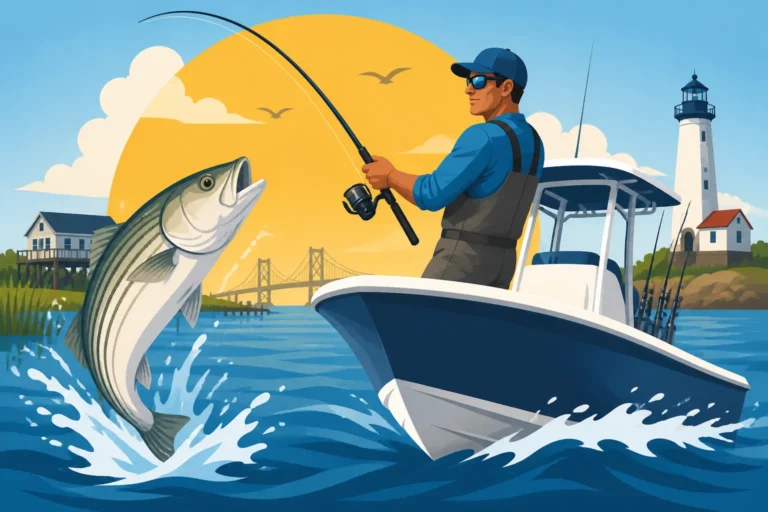
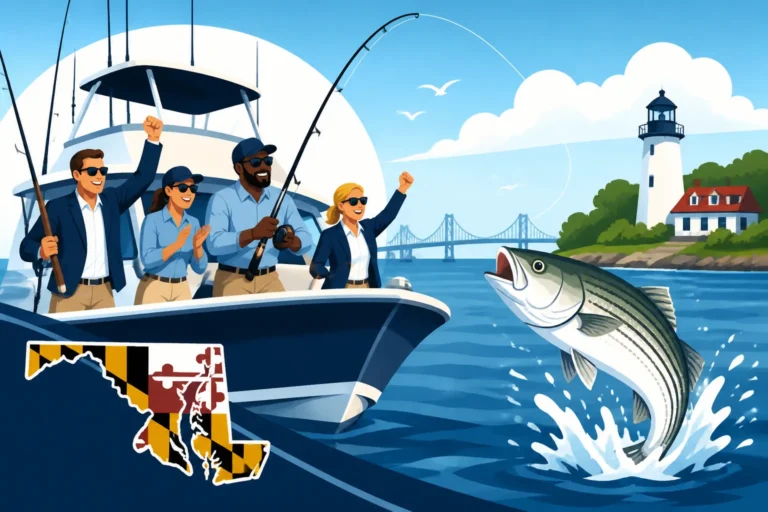
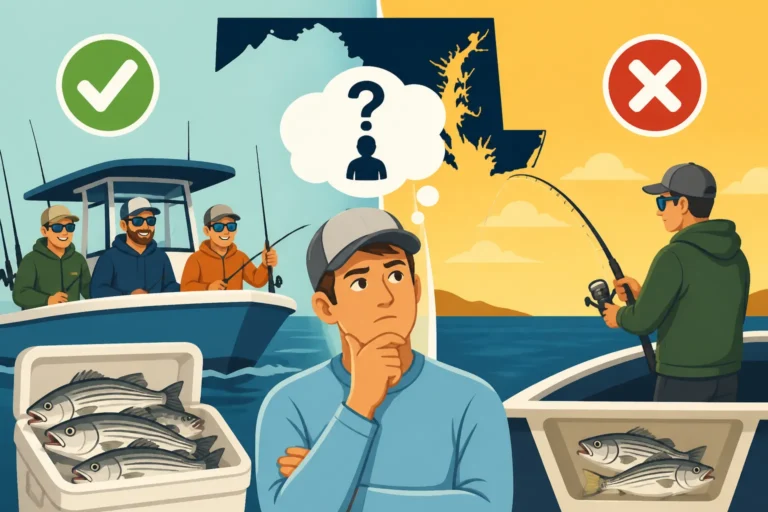
Stepping onto a Maryland fishing charter, you're filled with anticipation for a day on the water, battling rockfish in the Chesapeake Bay or heading offshore for tuna. But for many, the excitement is often mixed with a bit of confusion: what exactly is included in that charter price you paid? It's a common frustration, wondering if every little thing is covered or if you'll face a laundry list of unexpected charges at the end of the day. This comprehensive guide will peel back the layers of charter pricing in Maryland, demystifying what's typically included and what might come as an extra cost, ensuring you can plan your trip with confidence and no unwelcome surprises.
The Basics: What's Typically Rolled Into Your Maryland Charter Fee
When you book a fishing charter in Maryland, you're essentially paying for an all-inclusive experience centered around getting you on the fish. This isn't just a boat ride; it's a professionally guided fishing excursion. Understanding the core components that are usually covered in the upfront price helps set realistic expectations for your adventure.
The Boat, Captain, and Crew
First and foremost, your charter fee covers the vessel itself, a sturdy and well-maintained boat designed for the specific type of fishing you're doing, whether that's a bay boat for striped bass or a larger offshore sportfisher. It also includes all the associated operational costs, like fuel for the day's journey, which can be a significant expense given the distances traveled and engine hours logged. You're not just paying for the gas; you're paying for the captain's decision-making on where to burn that fuel to put you in the best position.
Beyond the hardware, you're paying for the invaluable expertise of a licensed captain. This isn't just someone who drives the boat; it's a professional with years, often decades, of experience navigating Maryland waters, understanding fish patterns, tides, and weather. Their knowledge of local hotspots, bait preferences, and effective techniques is what truly elevates a charter trip from a simple boat ride to a successful fishing expedition. They hold the necessary Coast Guard credentials, ensuring your safety and compliance with all maritime regulations.
Most charters, especially for groups, will also include a mate or first mate as part of the crew. This individual is the backbone of the fishing experience, tirelessly working to ensure your lines are in the water, bait is fresh, and fish are handled properly. They'll assist with casting, untangling lines, gaffing fish, and keeping the deck clear and safe. Their dedication allows you to focus solely on the thrill of the catch, and their expertise often rivals that of the captain when it comes to hands-on fishing assistance.
Essential Fishing Gear and Tackle
Forget about lugging your own heavy rods and tackle boxes! A significant perk of booking a charter is that all the necessary fishing gear and tackle are typically provided. This means you'll have access to quality rods and reels appropriate for the target species, whether you're light-tackle jigging for rockfish or heavy-duty bottom fishing for tautog around the Bay Bridge.
The tackle included generally covers the basics: hooks, sinkers, leaders, and a selection of standard lures or rigs commonly used for the season and species. Captains invest heavily in maintaining a diverse and robust inventory of gear, knowing that different conditions and fish moods require different approaches. This saves you the expense and hassle of buying specialized equipment you might only use once.
It's a huge relief, especially for beginners or out-of-towners, not to have to worry about what rod to bring or if your reel is spooled with the right line strength. The charter ensures you have the right tools for the job, meticulously checked and ready to go, allowing you to simply show up and start fishing.
Bait and Ice for the Day's Catch
Imagine waking up before dawn to catch your own bait, or making an extra stop at the tackle shop. With a Maryland fishing charter, that's usually not a concern! The cost generally includes the live or cut bait needed for your trip. This could range from fresh bunker (menhaden), squid, or bloodworms for bottom fish, to live spot or eels if you're targeting trophy striped bass. The captain and crew will source the best available bait, often preparing it fresh before your arrival, ensuring it's in prime condition to attract fish.
Beyond the bait, charters also typically provide a plentiful supply of ice. This isn't just for keeping your beverages cold (though it's great for that too!). More importantly, it's crucial for preserving your catch throughout the day. Fish quickly deteriorate in quality if not kept on ice, so having a dedicated cooler filled with ice on board is essential for ensuring your fillets make it home in top condition. This attention to detail means you don't have to scramble for bags of ice or worry about your fish spoiling.
Having bait and ice covered means you can really relax and enjoy the experience, knowing all the logistical fishing needs are handled. It's about streamlining your day so you can focus on the fishing, not the preparatory chores.
Understanding the "Hidden" Costs: What Might Be Extra
While Maryland fishing charters strive to be as inclusive as possible, there are some customary or situational expenses that are almost always separate from the base booking price. Being aware of these ahead of time can prevent any awkward surprises at the end of your trip and ensure you budget appropriately for the full experience.
Gratuities for the Crew
This is perhaps the most common "extra" cost, and one that new anglers or those unfamiliar with charter fishing culture often overlook. Gratuities for the captain and especially the mate are almost never included in the upfront charter fee. Mates, in particular, work incredibly hard, often putting in long hours before and after the actual fishing trip to prepare the boat, clean up, and maintain gear. They are the ones constantly baiting hooks, untangling lines, gaffing fish, and often doing the majority of the fish cleaning.
Think of a mate's gratuity as similar to tipping a server in a restaurant – it's a significant portion of their income and a direct reflection of their service. A customary tip for a well-run trip with attentive service generally falls in the range of 15% to 20% of the total charter cost. For an absolutely outstanding day, where the crew went above and beyond, some anglers might even offer more. It’s always best to have cash on hand for this, as many mates rely on it at the end of the day. If you're wondering about the exact etiquette, you can learn more by checking out How Much to Tip a Maryland Fishing Charter Mate.
Skipping a tip, or giving a minimal one for good service, is generally frowned upon and can leave a bad taste, especially after the crew has worked hard to make your trip enjoyable. It’s a small amount to pay for ensuring your crew feels appreciated and continues to provide excellent service for all anglers.
Fishing Licenses and Stamps
This is a point of frequent confusion for anglers. While the charter boat itself operates under a commercial license that covers its operation, individual anglers often still need their own personal Maryland fishing license, depending on the type of fishing and the specific waters. Many charter boats will have a recreational angler registration that covers all passengers for certain species (like striped bass in the Chesapeake Bay), but this isn't always universal, especially for specific fisheries or if you plan to fish from shore or a pier before or after the charter.
For instance, if you're heading out on a guided trip that specifically targets trout in a nontidal river, you'll almost certainly need a personal Maryland Nontidal Fishing License and potentially a Maryland Trout Stamp. Similarly, if you plan to fish a freshwater reservoir or a tidal river not covered by the charter's blanket registration, a personal license is required. The best practice is always to clarify this with your captain or booking agent before your trip. They will be able to tell you exactly what, if any, personal licenses or stamps are required for the type of fishing you'll be doing. To avoid any doubt, it's prudent to confirm Do You Need Your Own License on a Maryland Charter?.
It's a small administrative step, but neglecting to get the correct license can result in fines and a ruined day on the water. Always err on the side of caution and ask for clarity well in advance.
Special Baits and Advanced Lures
As we mentioned, standard bait is usually included. However, some specialized fishing techniques or target species might call for expensive, harder-to-find, or seasonal live baits that come with an additional charge. A prime example might be live eels for trophy striped bass during certain times of the year, or very large live spot or menhaden that require specific handling and are costly to procure.
Similarly, while basic lures are provided, if you have a specific, high-end lure in mind that the charter doesn't typically stock, or if you lose an excessive amount of expensive tackle due to snags or break-offs, there might be a charge. Most captains are understanding, but continuous loss of specialized gear could warrant a discussion.
These instances are generally the exception, not the rule, and any extra charges for specialized bait or tackle should be communicated clearly by the captain or booking agent well before your trip. It's part of the pre-trip conversation you should have, especially if you have a very particular fishing style or target in mind.
Fish Cleaning and Packaging Services
After a successful day on the water, you're often left with a cooler full of fresh fish. The question then becomes, "Who cleans them?" While some captains and mates might include basic gutting and filleting as part of their service (often expecting a good tip for it), others might charge a separate, nominal fee for this labor-intensive task. In some cases, especially at busy docks, there might be a dedicated fish cleaning station or service that charges by the pound or by the fish, independent of the charter.
It's important to clarify the fish cleaning policy when you book your trip. Will the mate handle it, and is that included in their expected gratuity? Is there a separate charge? Or will you be responsible for cleaning your own catch, either at the dock or back home? Knowing this ahead of time helps you plan your departure from the dock and manage your expectations. A properly cleaned and packaged fish retains its quality far better, so it’s a service worth considering. For a deeper dive into this, you might want to read Do Maryland Charters Clean and Fillet Your Catch?.
Having a clear understanding of this helps you appreciate the effort involved and budget accordingly. Nothing quite tops fresh fillets for dinner, so ensuring they're prepared properly is key.
Factors Influencing Charter Price in Maryland
The cost of a Maryland fishing charter isn't arbitrary; it's a reflection of numerous variables that contribute to the overall quality, duration, and scope of the experience. Understanding these factors can help you gauge value and choose the right trip for your budget and expectations.
Trip Duration and Type of Fishing
One of the most significant determinants of price is the length of your trip. Naturally, a half-day charter will be less expensive than a full-day excursion. Half-day trips, typically 4-5 hours, are great for beginners, families with young children, or those with limited time, often focusing on inshore species like white perch or smaller striped bass. Full-day trips, lasting 7-9 hours, allow for more travel time to distant fishing grounds, more varied techniques, and targeting a wider range of species, often leading to a more substantial catch. Comparing these options, such as Half-Day vs Full-Day Charter Costs in Maryland, is essential for planning.
Beyond duration, the type of fishing also plays a huge role. Inshore bay fishing for striped bass or bottom fishing for spot and croaker generally costs less than venturing offshore into the Atlantic for tuna, mahi-mahi, or marlin. Offshore trips require larger, faster, and more fuel-intensive boats, specialized heavy tackle, and often more experienced crews, all of which contribute to a higher price tag. Trips like Ocean City Maryland Offshore Tuna and Marlin Charters are typically the most expensive due to these factors. Even within the Bay, a specialized trip like Guided Snakehead Fishing Trips on the Potomac might have different pricing due to the specific knowledge and gear required.
The specific target species can also influence the cost, as some require more effort, specific bait, or travel. The more specialized and equipment-intensive the fishing, the higher the price will tend to be.
Boat Size, Amenities, and Technology
Just like cars, fishing boats come in a vast range of sizes, styles, and luxury levels, and the charter price reflects this. Larger boats generally cost more to operate, maintain, and insure, and they can comfortably accommodate more passengers. A smaller bay boat might be perfectly adequate and more affordable for a few anglers looking to fish the shallows of the Chesapeake, while a 50-foot sportfishing yacht with air conditioning, a full galley, and multiple staterooms will command a premium.
Amenities also factor in. Does the boat have a comfortable enclosed cabin, a private head (bathroom), a microwave, or even satellite radio? These creature comforts enhance the experience but add to the boat's initial cost and upkeep. Similarly, the level of technology on board, such as advanced fish finders, radar, GPS mapping systems, and auto-pilots, contributes to the overall price. While these tools significantly improve the chances of finding fish and ensuring safety, they represent a considerable investment by the captain.
You're paying for a certain level of comfort, safety, and capability. A charter with state-of-the-art electronics and a spacious, comfortable deck will naturally be more expensive than a more spartan vessel, even if both are perfectly capable of catching fish.
Seasonality and Demand
Fishing in Maryland is highly seasonal, and charter prices often fluctuate with demand. Peak seasons for popular species like striped bass (rockfish) will almost always be more expensive than off-peak times. For example, during the spring trophy rockfish season or the fall migration, when fishing is at its prime, demand for charters skyrockets. Many anglers specifically book during Best Time of Year to Book a Striped Bass Charter or when Charter Fishing During Maryland's Trophy Rockfish Season is open, leading to higher prices and bookings needing to be made well in advance.
Conversely, during slower periods, such as the hot summer months when some species become less active, or in the very early spring or late fall shoulder seasons, you might find more competitive pricing or special deals. Weather also plays a role; while captains generally don't fish in unsafe conditions, perfect weather days during peak season are highly sought after. Understanding Why Charter Prices Rise During Peak Rockfish Season can help you plan your trip for either maximum fish or maximum savings.
Flexibility with your dates can sometimes lead to better deals. If you're able to fish mid-week instead of a busy weekend, or during a less-popular fishing window, you might find more affordable options.
Number of Anglers in Your Party
Most Maryland fishing charters price their trips for the boat, not per person, up to a certain maximum number of passengers (usually 6 for most federally licensed boats, but some larger party boats can accommodate more). This means that if the charter costs, say, $1,000 for a full day, that's the price whether you have two people or six on board. Spreading that cost among more anglers makes the trip more affordable per person.
However, some charters might have a base rate for a smaller number of passengers (e.g., 1-4 people) and then charge an additional fee for each extra person beyond that up to their maximum capacity. This is less common for private charters but can sometimes be seen, especially on smaller boats or specialized trips.
If you're a solo angler or a very small group, you might consider booking a spot on a "headboat" or "party boat." These vessels charge a per-person rate, allowing individuals or small groups to join a larger fishing excursion at a much lower individual cost. The trade-off is less personalized attention and less flexibility in targeting specific species or locations compared to a private charter.
Navigating the Booking Process and Avoiding Surprises
Booking a fishing charter should be an exciting and stress-free process. The key to avoiding any unexpected costs or disappointments lies in thorough research and clear communication upfront. Don't be shy about asking questions!
Asking the Right Questions Before You Book
Before you commit to a booking, think of yourself as an investigative journalist. You want all the details! A reputable captain or booking agent will be happy to answer your questions thoroughly. Here's a checklist of crucial questions to ask:
- What exactly is included in the stated price? Be specific: fuel, bait, tackle, ice, captain, mate?
- Are there any additional costs I should anticipate? Specifically ask about gratuities, licenses, special bait, or fish cleaning.
- What are the fishing license requirements for my group? Clarify if a personal license is needed, or if the boat's license covers everyone.
- What is your policy on fish cleaning and packaging? Is it included, extra, or handled by the mate for a tip?
- What is your cancellation policy, especially for weather? How far in advance can I cancel, and what if the captain cancels due to unsafe conditions?
- What should my group bring? Ask about food, drinks, sunscreen, appropriate clothing, and coolers for the catch. What to Bring on a Maryland Fishing Charter is a great resource here.
- What species will we be targeting, and what are the current size and creel limits? This helps manage expectations about what you might catch and keep.
- What time do we depart and return? Confirm exact timings.
Asking these questions upfront ensures that everyone is on the same page and helps you understand the total investment required for your trip.
Reading the Fine Print and Confirmation Details
Once you've made your decision and are ready to book, pay close attention to the booking confirmation. This document is your official record of the agreement and should clearly outline all costs, inclusions, and exclusions. Don't just skim it; read it carefully. Look for:
- Total Price Breakdown: Is the total price clearly stated, along with any deposit requirements and the remaining balance due?
- List of Inclusions: Does it explicitly list what's covered (e.g., "all tackle, bait, and ice included")?
- List of Exclusions: Are any items specifically excluded (e.g., "gratuity not included," "fishing licenses required")?
- Cancellation Policy Details: Reconfirm the terms for cancellations by either party.
- Date, Time, and Location: Double-check that all the logistical details are correct.
If anything in the confirmation contradicts what you discussed with the captain or booking agent, or if something is unclear, reach out immediately for clarification before your trip. It's much easier to resolve discrepancies before you're out on the water.
Leveraging Online Booking Platforms
In today's digital age, online booking platforms have become incredibly popular for finding and reserving fishing charters. Websites like FishingBooker, for instance, are designed to streamline the process and often provide a high degree of transparency regarding pricing and what's included. These platforms typically feature:
- Detailed Listings: Each charter listing usually specifies what's included (e.g., "fishing gear provided," "live bait included," "licenses covered") and what might be extra (e.g., "fish cleaning extra," "gratuity not included").
- Transparent Pricing: You can often see the total price for different trip durations or types, making it easy to compare options side-by-side without having to call multiple captains.
- Reviews and Ratings: Past customer reviews often mention experiences with pricing and any unexpected costs, providing valuable insights.
- Communication Tools: Many platforms offer direct messaging tools to communicate with the captain before booking, allowing you to ask all those important questions we just discussed.
Using a platform like FishingBooker can really simplify your search, allowing you to filter by location, target species, and price, and quickly find charters that align with your budget and expectations. They make it easier to see what's included at a glance, helping you find the perfect trip without endless phone calls. While not for charters specifically, if you're looking for general Maryland fishing information or purchasing licenses, other digital tools exist such as those covered in Best Apps for Finding Maryland Fishing Charters.
Maximizing Value and Enjoyment on Your Trip
A successful fishing charter isn't just about catching fish; it's about having a memorable, enjoyable experience from start to finish. Beyond understanding the financial aspects, there are several ways to ensure your trip is as rewarding as possible.
Preparing for Your Trip Beyond the Price
Once you’ve got the financials sorted, shift your focus to personal preparation. While the charter covers most fishing necessities, what you bring can significantly enhance your comfort and enjoyment. Think about the essentials:
- Sun Protection: Maryland summers can be intense. Bring sunscreen, a wide-brimmed hat, and polarized sunglasses. Even on cloudy days, UV rays reflect off the water.
- Appropriate Clothing: Dress in layers. Mornings can be cool, especially on the water, but midday often warms up significantly. Quick-dry fabrics are always a good idea. Consider rain gear, even if the forecast looks clear; weather on the water can change quickly.
- Food and Drink: While ice is provided for your catch, you’ll want to bring your own cooler with snacks, lunch, and plenty of water and other beverages. Fishing is hard work, and staying hydrated is key.
- Personal Medications: Don't forget any necessary prescription medications, and if you're prone to motion sickness, take preventative measures like motion sickness medication before you board.
- Camera: Capture those trophy moments! Just make sure it’s secured or waterproof.
A little planning goes a long way in ensuring you're comfortable and ready for whatever the day brings. You can delve into more detail about packing for your trip with What to Bring on a Maryland Fishing Charter.
Understanding Cancellation and Refund Policies
Life happens, and sometimes even the best-laid plans go awry. Knowing the charter's cancellation and refund policy is incredibly important. Most reputable charters have clear policies for cancellations by both the client and the captain.
- Client Cancellations: If you need to cancel, there's usually a specific timeframe (e.g., 72 hours, 7 days) within which you can do so for a full refund of your deposit. Cancelling outside that window, or simply not showing up, will typically result in forfeiture of your deposit. Captains often rely on those bookings, and last-minute cancellations leave them with a vacant trip they can't fill.
- Captain Cancellations (Weather): The captain's primary concern is always safety. If weather conditions are deemed unsafe (high winds, heavy seas, lightning, dense fog), the captain will cancel the trip. In these cases, you should receive a full refund of your deposit, or you'll have the option to reschedule for another date. This is one of the most common reasons for charter cancellations, so understanding What Happens If a Charter Is Canceled Due to Weather? is crucial.
Always get these policies in writing and understand them fully. Don't be afraid to ask for clarification if anything is unclear, as it protects both you and the charter operator.
Communicating Expectations with Your Captain
Open and honest communication with your captain before and during the trip is paramount for a successful and enjoyable experience. Before you even set sail, discuss your goals for the day.
- Target Species: Do you have your heart set on catching striped bass, or are you hoping to try for anything that bites? Are you looking for a trophy fish or just a good number of eaters?
- Fishing Style: Are you interested in a specific technique like light tackle jigging, or are you happy with whatever the captain suggests?
- Catch and Release vs. Keeping Fish: While most charters aim for legal keepers, some anglers prefer catch and release. Make this preference known.
- Experience Level: If you're a beginner, let the captain know so they can provide extra guidance and assistance. If you're experienced, they might give you more autonomy.
During the trip, continue to communicate. If you're feeling seasick, let the captain or mate know immediately. If you have questions about the fishing or want to try something different, politely ask. A good captain wants you to have a great time and will do their best to accommodate reasonable requests and address any concerns you might have. Your feedback helps them tailor the experience to your party, ensuring everyone has the best possible day on the beautiful waters of Maryland.
| Item/Service | Typically Included in Charter Price | Potentially Extra Cost (or Expect a Tip) |
|---|---|---|
| Boat, Fuel, Maintenance | Yes | No |
| Licensed Captain | Yes | No |
| Mate/Crew Service | Yes | Gratuity Expected (15-20% of fare) |
| Rods and Reels | Yes | No (unless excessive breakage/loss) |
| Basic Tackle | Yes | No (unless excessive breakage/loss) |
| Standard Bait | Yes | Specialized/Expensive Live Bait |
| Ice for Fish Preservation | Yes | No |
| Ice for Personal Drinks | Yes (usually) | No (but bring your own cooler/drinks) |
| Maryland Fishing License | Sometimes (check specific charter) | Often required for individual anglers |
| Fish Cleaning/Filleting | Sometimes (check specific charter) | Often an extra fee or handled for tip |
| Food and Beverages | No | Bring your own |
| Motion Sickness Meds | No | Bring your own |
| Sunscreen, Hat, Sunglasses | No | Bring your own |
Disclaimer
This article is for general informational purposes only and does not constitute professional advice. Laws, prices and regulations vary by location and change over time. Consult a qualified professional for guidance on your specific situation.