Are Smallmouth Bass Native to Maryland Rivers?
Smallmouth bass origins in Maryland rivers reveal whether the sport fish are native or introduced by human stocking efforts.
Know what’s on the line.
Gamefish and panfish profiles — identification, behavior, feeding habits, and species-specific strategies for every catch.
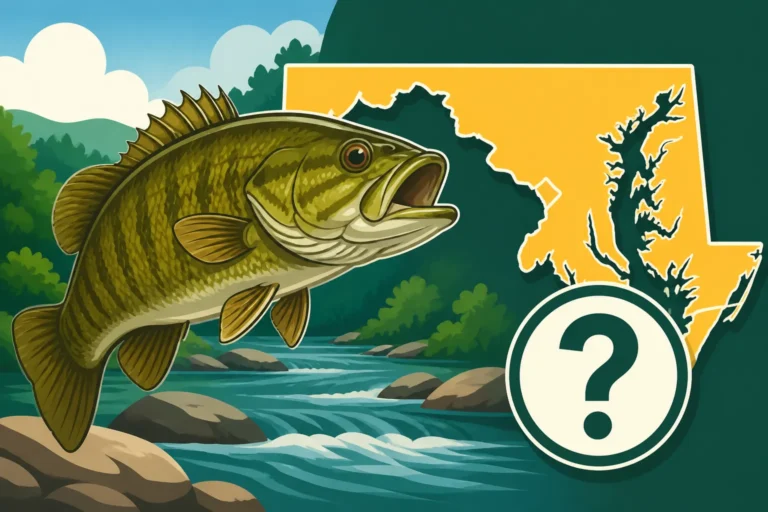
Smallmouth bass origins in Maryland rivers reveal whether the sport fish are native or introduced by human stocking efforts.
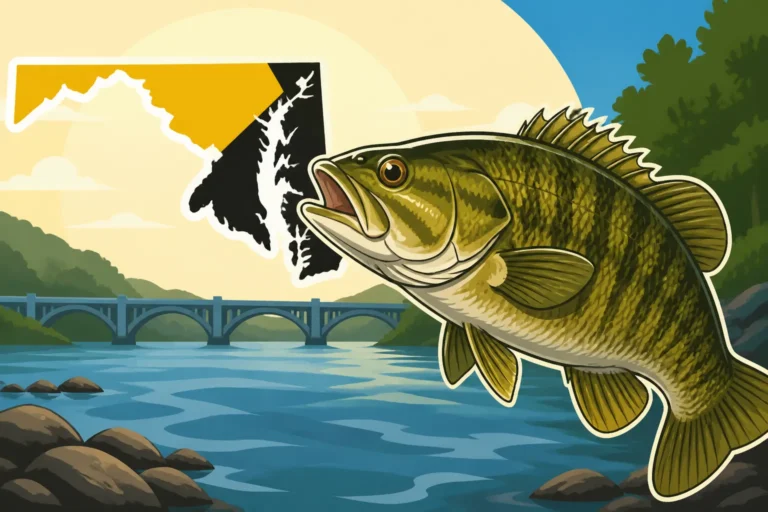
Susquehanna River smallmouth bass size ranges from ten to fourteen inches, with rare trophy fish reaching twenty inches or more.
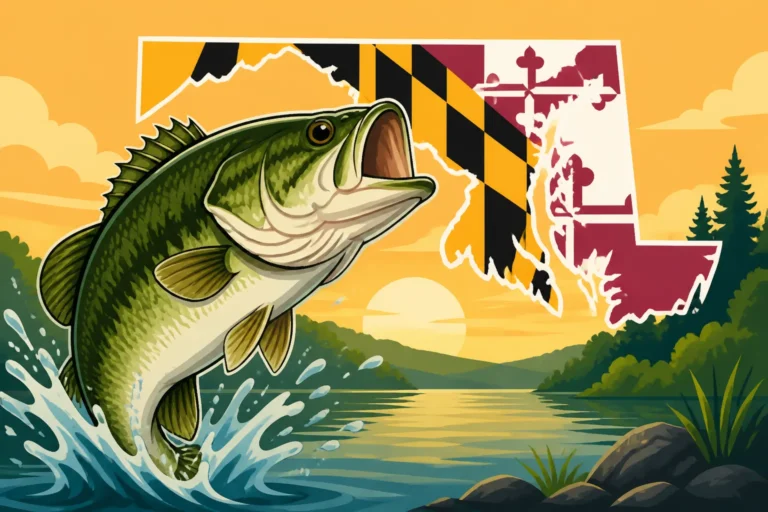
Maryland lakes with abundant structure, forage, and ideal water quality support giant trophy largemouth bass populations.
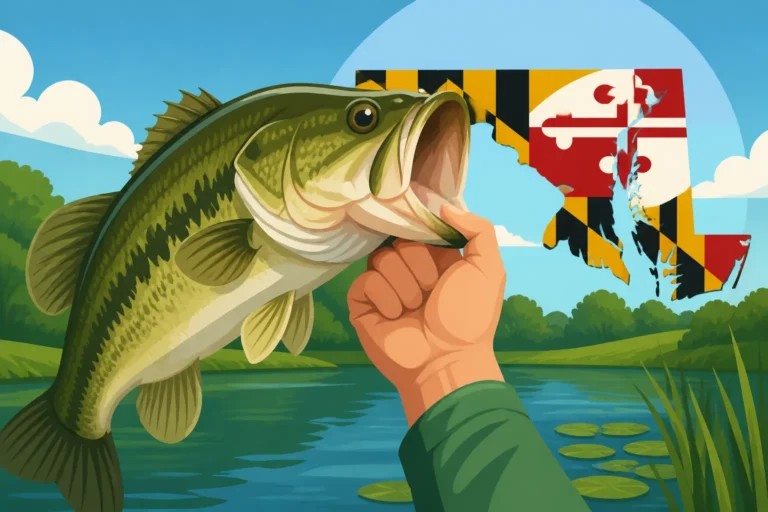
Maryland largemouth bass size depends on bluegill forage, water quality, depth, habitat structures, and fishing pressure.
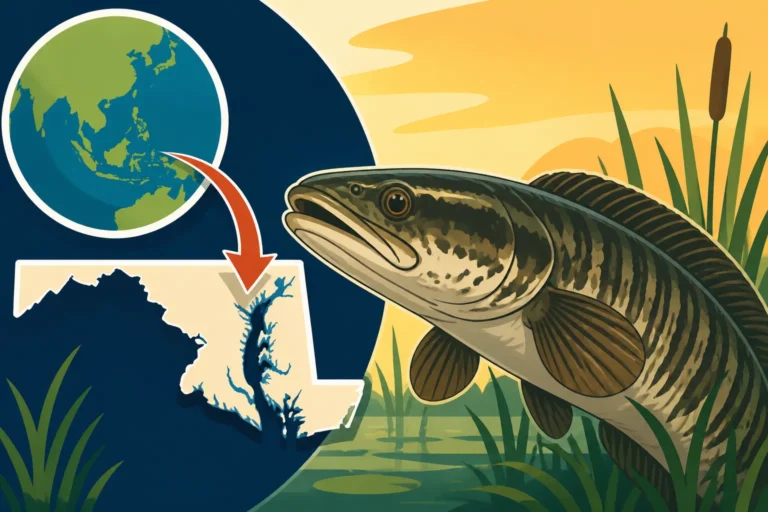
Northern snakeheads are native to Asia and Africa, originating in eastern Russia, China, and Korea through the live food market.

Northern snakehead meat is safe, mild, lean, and flaky, offering a delicious sustainable protein source for local anglers.

Northern snakeheads in Maryland waters pose no real danger to humans, despite their intimidating appearance and sharp teeth.
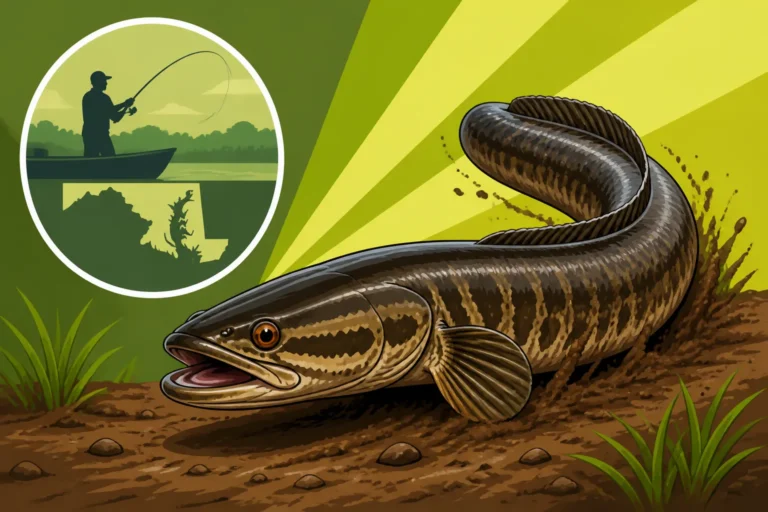
Northern snakehead terrestrial movement uses muscular bodies and pectoral fins to travel overland between Maryland waterways.
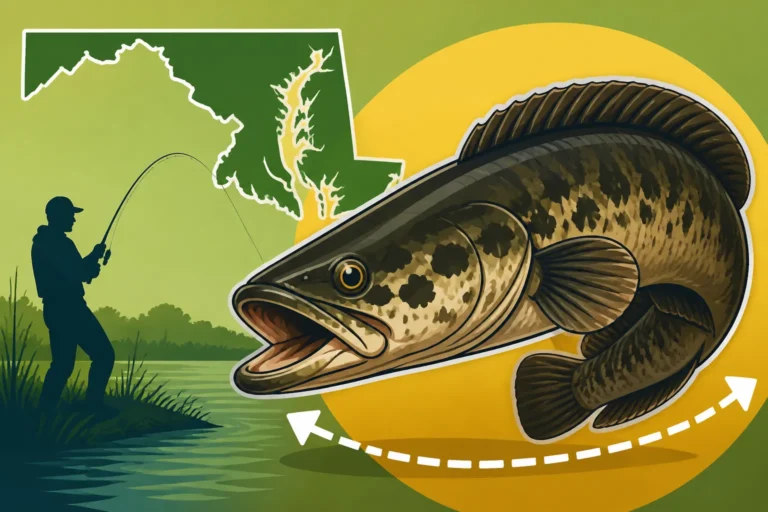
Northern snakeheads in Maryland waters typically range from eighteen to twenty-six inches and two to five pounds in weight.
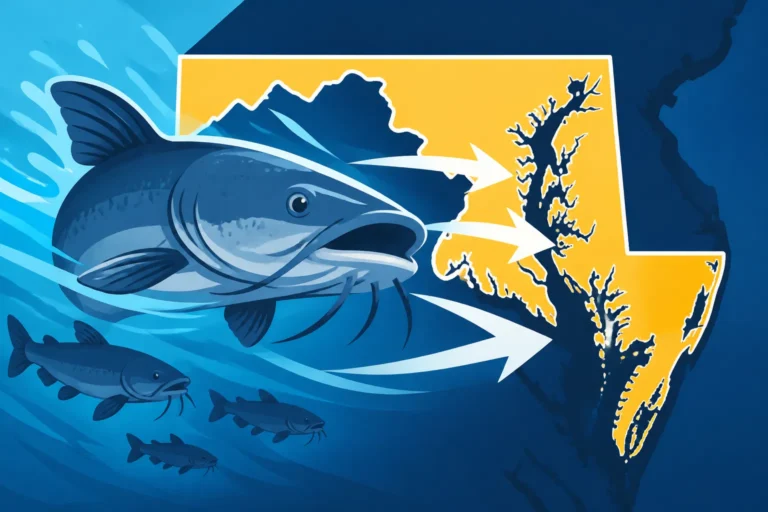
Blue catfish population spread in Maryland rivers and the Chesapeake Bay, explaining their rapid ecological expansion and impacts.