Do You Need a Permit to Drive on Assateague Island’s Beach?
One of the most thrilling parts about visiting Assateague Island is the thought of driving right onto the beach, setting up camp, and casting a line into the surf. But if you’ve ever imagined just pulling your truck up to the sand and rolling on, you might be in for a surprise. The reality is, while driving on the beach is absolutely possible and incredibly rewarding, it’s not as simple as just showing up. This guide is here to cut through the confusion and walk you through everything you need to know about obtaining the necessary permits to drive on Assateague Island’s beach in Maryland, so you can plan your adventure without any unwelcome surprises.
Understanding the Over-Sand Vehicle OSV Permit System
Before you even think about airing down your tires, you need to understand that Assateague Island National Seashore operates under a specific permitting system for anyone wanting to drive an Over-Sand Vehicle (OSV) on designated areas of the beach. This isn't just a casual parking pass; it's a specialized permit designed to manage vehicle traffic, protect the fragile dune environment, and ensure public safety. Many folks get a bit frustrated, feeling like there are too many hoops to jump through, but trust me, these regulations are in place for a good reason – to preserve the unique beauty of Assateague for everyone, including the wild ponies, and to ensure you have a safe and enjoyable experience.
Why the OSV Permit is Crucial
The OSV permit isn't just a formality; it's your golden ticket to unlocking some of the most remote and pristine sections of Assateague's shoreline. Without it, you're strictly limited to paved parking lots and foot traffic areas. But with a permit, you gain access to miles of untouched beach, perfect for surf fishing, wildlife viewing, or simply finding a quiet stretch of sand away from the crowds. Imagine being able to drive right to your preferred fishing spot, unload your gear without a long hike, and spend the day fishing with the convenience of your vehicle nearby. It’s a game-changer for serious anglers and families alike. For those interested in the incredible opportunities that this permit unlocks, you might want to check out an "Assateague Island Fishing Guide for Maryland Anglers" to get some inspiration.
Maryland Side Specifics
It’s important to clarify that this discussion focuses specifically on the Maryland side of Assateague Island National Seashore. While Assateague is a barrier island shared by both Maryland and Virginia, the OSV permit requirements and regulations are distinct for each state. The Maryland side, managed by the National Park Service, is where you’ll apply for your OSV permit. The Virginia side, managed by the U.S. Fish and Wildlife Service, has its own separate permit process, so don't assume a Maryland permit will cover you down in Chincoteague, Virginia. Stick to the Maryland rules for the Maryland portion of the island to avoid any fines or disruptions to your trip.
Navigating the OSV Permit Application Process
Getting your OSV permit for Assateague Island requires a bit of planning and attention to detail, but it’s entirely manageable. The National Park Service aims to make the process as straightforward as possible, even if it feels like a lot of steps at first glance. The key is to start early, ensure your vehicle meets all the requirements, and have your documents in order. Don't wait until you're already pulling up to the island, hoping to snag a last-minute permit; that's a recipe for disappointment.
Vehicle and Gear Requirements
Before you even fill out an application, your vehicle needs to be up to snuff. This isn't a place for your average sedan. You'll need a four-wheel drive (4WD) vehicle (all-wheel drive typically isn't sufficient). This is non-negotiable, as the sand can be deep and soft, and a 4WD is essential for safe navigation and to prevent getting stuck. Beyond the 4WD, there are several mandatory pieces of safety equipment you must carry:
- Tire Pressure Gauge: Essential for deflating your tires before hitting the sand (more on this in a bit).
- Shovel: For digging yourself out if you do get stuck.
- Jack and Support Board: A standard jack can sink in sand; the board provides a stable base.
- Tow Rope or Chain: For self-recovery or to be pulled out by another vehicle.
- Full-Size Spare Tire: Not a donut spare.
- Trash Container: You must pack out everything you pack in.
These requirements aren't just suggestions; they are strictly enforced for your safety and the protection of the park. When considering your gear, also think about what you might need for a full day of "Surf Fishing at Assateague Island National Seashore", as the OSV zone provides prime access.
Steps to Obtain Your OSV Permit
The process itself involves a few key steps:
- Review Regulations: First, download and thoroughly read the most current OSV regulations from the Assateague Island National Seashore website. These rules can change, so always check the latest version.
- Complete Application: Fill out the OSV permit application form. This will ask for your vehicle information, contact details, and other necessary specifics.
- Pay Fees: There is an annual fee for the OSV permit. This fee helps support the maintenance and management of the OSV zone.
- Vehicle Inspection (Sometimes Required): In some cases, especially for first-time applicants, or if there are specific concerns, park staff may require a visual inspection of your vehicle and safety equipment to ensure everything meets the standards.
- Receive Your Permit: Once approved, you'll receive your OSV permit, usually in the form of a sticker or tag that must be displayed prominently on your vehicle as instructed.
You can often start this process online through the National Park Service's recreation.gov portal, or in person at the Assateague Island National Seashore Visitor Center. Remember, this permit is typically valid for one calendar year, so if you plan multiple trips or want to experience "The Best Time to Surf Fish Assateague Island" across different seasons, an annual permit is your best bet.
Essential Rules for Driving on Assateague's Beach
Once you've got that precious OSV permit displayed on your vehicle, it's not a free-for-all. Driving on Assateague's beach comes with a clear set of rules designed to protect both you, other visitors, and the island's delicate ecosystem. Ignoring these rules isn't just disrespectful; it can lead to hefty fines and the revocation of your permit. Being a responsible beach driver means understanding and adhering to these guidelines.
Tire Pressure and Driving Technique
Perhaps the most critical piece of advice for driving on sand is to deflate your tires. This is why that tire pressure gauge is mandatory! Reducing your tire pressure (often to 15-20 PSI, but always check park recommendations) increases the tire's footprint, distributing your vehicle's weight over a larger area. This significantly improves traction and prevents you from sinking into the soft sand. It also makes for a much smoother ride.
When driving:
- Maintain a Slow, Steady Speed: Speed limits are enforced, and driving too fast can lead to loss of control, especially on uneven sand. Too slow, and you might get stuck. Find that sweet spot.
- Avoid Sharp Turns: Gradual turns are always better to maintain momentum and prevent digging in.
- Stay in Designated Tracks: Stick to established tire tracks whenever possible. This minimizes impact on the beach and dunes.
- Be Aware of Tides: The tide can significantly impact driving conditions, especially at high tide when the driving area can become very narrow or completely submerged. Always be aware of the tide schedule.
Driving on the beach is a unique experience that requires a slightly different approach than road driving. Taking the time to learn and practice these techniques will make your trip much more enjoyable and safe.
Respecting Wildlife and the Environment
Assateague Island is a vibrant ecosystem, home to a diverse array of wildlife, most famously the wild ponies, but also countless birds, crabs, and marine life. Your OSV permit comes with a responsibility to protect these inhabitants and their habitat.
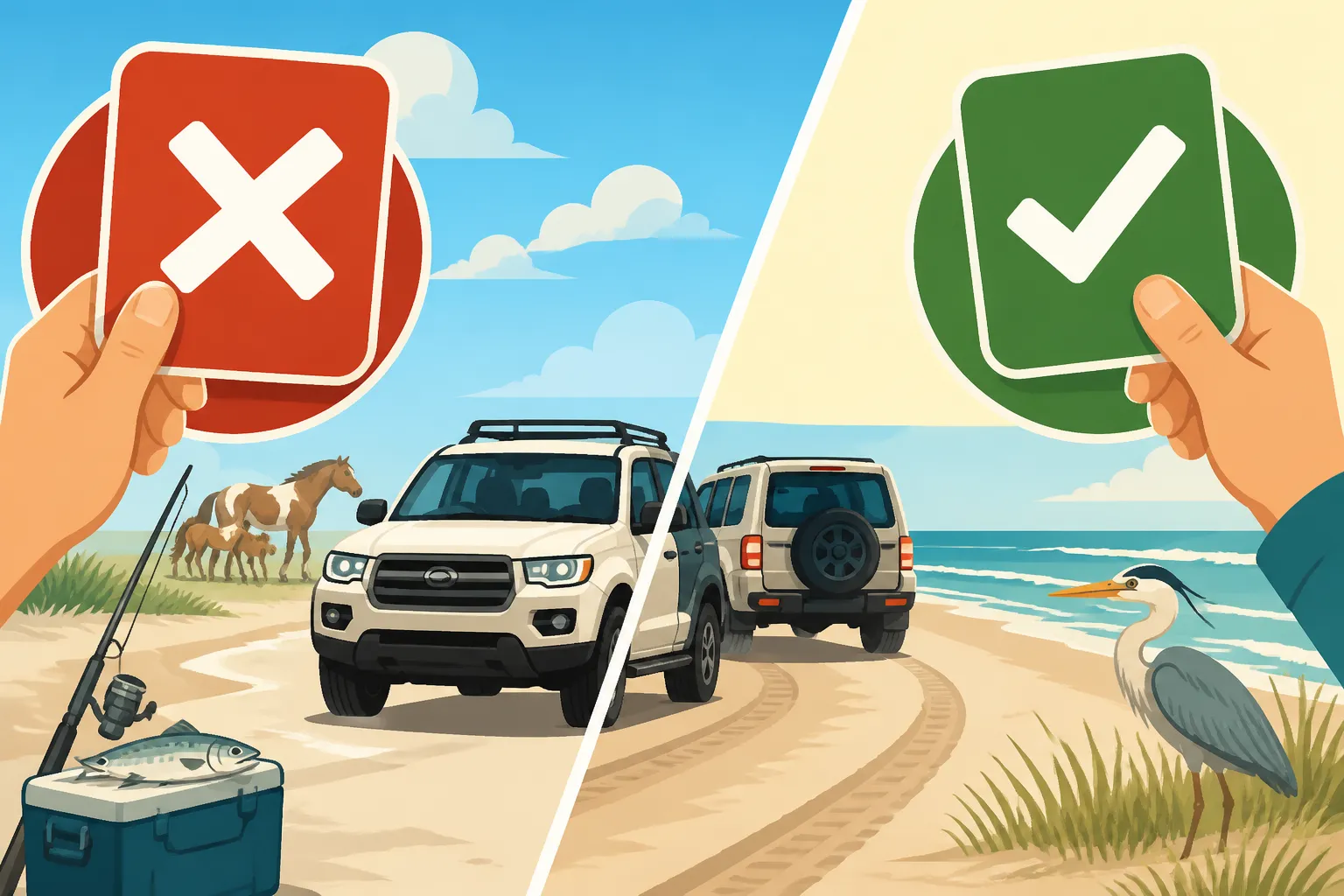
- Yield to Wildlife: Always give animals the right of way. This means slowing down, stopping, and giving a wide berth to ponies, birds, or other creatures you encounter. Never approach, feed, or harass the wild ponies.
- Stay Off the Dunes: Dunes are incredibly fragile and vital for protecting the island from erosion. Driving or walking on them is strictly prohibited. Use designated crossovers to access the beach.
- Pack It In, Pack It Out: Leave no trace. Everything you bring onto the beach, including trash, fishing line, and bait packaging, must be taken off. Dispose of waste properly.
- Observe Fishing Regulations: While you're enjoying "Surf Fishing Spots Along Assateague Island", remember to always comply with all Maryland fishing regulations, including size and catch limits, and species-specific rules.
Responsible behavior ensures that Assateague remains a pristine natural wonder for future generations.
OSV Zone Access and Capacity Limits
The OSV zone on Assateague Island National Seashore has a limited capacity to prevent overcrowding and excessive environmental impact. During peak seasons or holidays, the zone can reach capacity, and entry will be temporarily closed until space becomes available. This can be a major frustration if you've planned your day around beach driving, so it’s always a good idea to check the park's current status and capacity updates before you head out. Some anglers even consider exploring options like "Fishing Charters Near Assateague Island" if the OSV zone is at capacity, to ensure they still get out on the water.
| Requirement | Details | Why It's Important |
|---|---|---|
| 4WD Vehicle | Essential for navigating soft sand. | Prevents getting stuck, ensures safety and accessibility. |
| Valid OSV Permit | Annual permit, displayed on vehicle. | Legal access to designated beach driving areas. |
| Tire Pressure Gauge | To deflate tires to 15-20 PSI. | Increases traction, reduces sinking, smoother ride. |
| Shovel | Sturdy, full-size shovel. | Self-recovery from being stuck in sand. |
| Jack & Support Board | Secure jack, large flat board for stability. | Safe tire changes on unstable sand. |
| Tow Rope/Chain | Strong, appropriate for vehicle weight. | Assists in recovery from being stuck. |
| Full-Size Spare Tire | Not a "donut" spare. | Essential for unexpected flats in remote areas. |
| Trash Container | Securely holds all waste. | Leave No Trace principle, protects environment. |
| Knowledge of Tides | Understand local tide charts. | Prevents getting trapped by high tide, ensures safe driving. |
| Wildlife Awareness | Give animals right-of-way, maintain distance. | Protects wildlife, prevents fines, ensures safety. |
| Stay off Dunes | Use designated crossovers. | Protects fragile ecosystem, prevents erosion. |
Planning Your Assateague Island Beach Driving Adventure
Driving on Assateague's beach is an experience unlike any other, offering freedom and access that standard beach visits just can't match. But a successful trip is a well-planned trip. From preparing your vehicle to understanding where you can and cannot go, a little foresight goes a long way.
Best Times and Fishing Opportunities
Timing your trip can make a huge difference. While the OSV zone is open year-round, conditions and crowds vary by season. Spring and fall often offer milder weather, fewer crowds, and some of the best fishing opportunities. This is when you might experience prime "Red Drum Along Maryland's Coast" or a fantastic run of "Striped Bass: Maryland's State Fish" during the "Fall White Perch Fishing in Maryland's Chesapeake Bay." The summer months are popular, but the heat can be intense, and the OSV zone reaches capacity more frequently.
For surf anglers, the OSV zone is a paradise. You can drive miles down the beach to find untouched gutters and sloughs where fish gather. Consider bringing a sturdy surf rod and plenty of bait. Common catches include kingfish, croaker, spot, flounder, bluefish, and of course, striped bass. Having your vehicle right there means you can bring more gear, extra coolers, and even a beach canopy for shade, making for a much more comfortable day of fishing. This convenience is a major reason why many dedicated anglers go through the permit process.
Where to Find Information and Assistance
The Assateague Island National Seashore website is your absolute best friend for planning. It provides the most up-to-date information on OSV regulations, capacity limits, weather, and current fishing reports.
Additionally, don't hesitate to:
- Visit the Visitor Center: The Assateague Island Visitor Center (just before the park entrance in Maryland) is staffed with knowledgeable rangers who can answer your questions, provide maps, and offer insights into current conditions.
- Check Local Bait and Tackle Shops: These shops often have the most current local knowledge on fishing conditions, what bait is working, and any recent changes to regulations. They are invaluable resources for surf anglers.
- Online Forums and Groups: There are many online communities dedicated to Assateague Island and surf fishing. These can be great places to ask questions and learn from experienced beach drivers.
For those who prefer a guided experience, even if not directly driving the OSV zone themselves, remember that resources like FishingBooker can help you find local fishing guides or charters who are intimately familiar with the waters around Assateague and can provide insights into what the OSV zones unlock for fishing.
Safety Precautions and Emergency Preparedness
Even with the best planning, things can go wrong. Being prepared for emergencies is crucial when you're in a more remote environment.
- Tell Someone Your Plans: Let a friend or family member know where you're going, your expected return time, and your vehicle description.
- Carry a Fully Charged Cell Phone: While cell service can be spotty in some areas, it's essential for emergencies.
- Bring Plenty of Water and Snacks: You could be out for hours, and stores aren't easily accessible from the OSV zone.
- Sun Protection: Sunscreen, hats, and protective clothing are vital, even on cloudy days. The sun reflecting off the water and sand can be intense.
- First Aid Kit: A basic first aid kit for minor cuts, scrapes, or stings is always a good idea.
- Understand Tide and Weather Changes: Weather on a barrier island can change rapidly. Be aware of forecasts and know when to seek shelter or leave the beach if conditions deteriorate.
Driving on Assateague Island's beach with an OSV permit is an unforgettable experience, offering unparalleled access to one of Maryland's most beautiful natural treasures. By understanding the requirements, respecting the rules, and preparing thoroughly, you can ensure a safe and enjoyable adventure for yourself and your companions. It's more than just driving a vehicle; it's about connecting with nature in a unique and responsible way.
Disclaimer
The information provided in this guide is for general informational purposes only and is subject to change. Regulations for fishing, permits, and park access are frequently updated by the Maryland Department of Natural Resources and the National Park Service. Always consult the official websites of Assateague Island National Seashore and the Maryland DNR for the most current and accurate information before planning your trip.