Maryland Invasive Fish Rules: Blue Catfish and Snakehead
It's incredibly frustrating, isn't it? You head out to your favorite fishing spot in Maryland, hoping to reel in some beautiful native species like striped bass or yellow perch, only to find yourself constantly battling invasive fish that seem to be everywhere. Understanding the specific rules for dealing with these unwelcome guests, especially blue catfish and northern snakehead, can feel like a labyrinth of information, leaving many anglers wondering if they're doing the right thing. This comprehensive guide is designed to clarify Maryland's invasive fish rules, explaining what you need to know and why your actions are so critical to protecting our precious waterways.
Understanding the Invasive Threat in Maryland
Maryland's waters are a vibrant tapestry of ecosystems, from the tidal reaches of the Chesapeake Bay to the freshwater streams of Western Maryland. This rich biodiversity is incredibly delicate, and when non-native species are introduced, either accidentally or intentionally, it can throw the entire system out of whack. These invaders often lack natural predators and face no competition for resources, allowing them to rapidly proliferate and wreak havoc on the environment that our native fish, crabs, and other aquatic life call home.
The Ecological Damage Caused by Non-Native Species
Imagine a crowded neighborhood where suddenly a new, very aggressive family moves in. They consume all the local groceries, push out the existing residents, and generally make life miserable for everyone else. That's essentially what invasive species do to an ecosystem. They outcompete native fish for food and habitat, sometimes directly preying on them or their young. This competition can lead to a drastic decline in native populations, altering the delicate balance of the food web and potentially impacting the overall health of the entire aquatic environment. The ripple effect can be profound, affecting everything from baitfish to iconic species like the striped bass.
Beyond direct competition, invasive species can also introduce diseases or parasites that native populations have no immunity to. They can degrade habitats, for instance, by burrowing extensively or altering water clarity. The long-term consequences of such disruptions are severe, often leading to reduced biodiversity and a less resilient ecosystem. For anglers, this translates to fewer of the fish we love to catch and a less enjoyable experience on the water, making our role in managing these species more important than ever.
Why Blue Catfish and Snakehead Are Particular Concerns
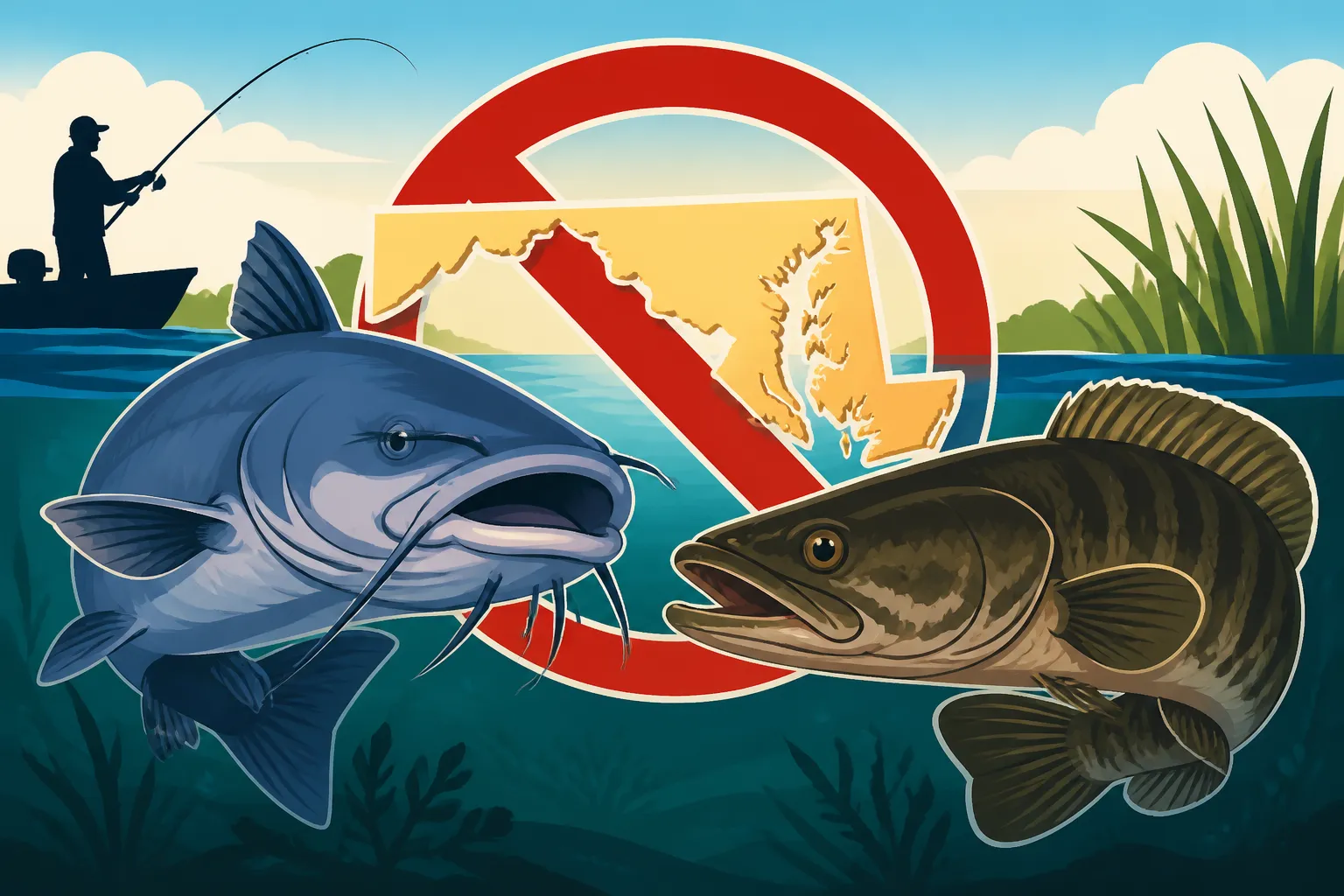
Among the various invasive species Maryland faces, the blue catfish and the northern snakehead stand out as particularly alarming due to their rapid spread, voracious appetites, and adaptability. These aren't just nuisance fish; they are apex predators in many of the systems they colonize, capable of growing to impressive sizes and consuming a wide variety of prey. Their presence poses a significant threat to the ecological integrity of the Chesapeake Bay and its tributaries, and understanding why they're such a problem is the first step in effective management.
Blue catfish, for example, are incredibly prolific, can tolerate a wide range of salinities (meaning they can thrive in both freshwater and brackish parts of the Bay), and reach massive sizes, easily dwarfing native species. They eat almost anything – other fish, crabs, clams, mussels, even smaller blue catfish. This indiscriminate feeding directly impacts economically and ecologically important species. Similarly, northern snakeheads are highly adaptable ambush predators, capable of breathing air and even moving short distances over land, which makes them incredibly difficult to contain. Their aggressive nature and high reproductive rates allow them to quickly dominate an area, outcompeting and preying on native fish like largemouth bass, crappie, and yellow perch. Their rapid spread and ability to decimate native populations are why Maryland has taken such a firm stance on their management.
Maryland's Specific Rules for Blue Catfish
When it comes to blue catfish, Maryland's approach is quite clear: these fish are a problem, and anglers are encouraged to remove as many as possible. This isn't just a suggestion; it's a critical component of the state's strategy to control their burgeoning populations and mitigate their negative impact on native ecosystems. Understanding the "no limit" policy and the proper ways to handle them is key to doing your part as a responsible angler.
The "No Limit" Policy and What It Means
You might be used to carefully checking the regulations for size and creel limits before heading out to fish for most species. But for blue catfish, Maryland throws those rules out the window. There is no minimum size limit, no maximum size limit, and no daily creel limit. This means that if you catch one blue catfish or a hundred, you are legally allowed to keep them all, regardless of their size. This "no limit" policy is a direct reflection of the Maryland Department of Natural Resources' (DNR) urgent plea to anglers to help reduce their numbers.
The rationale behind this approach is simple: blue catfish are invasive, highly destructive, and their populations are exploding. Every blue catfish removed from Maryland waters is a victory for the native species that are struggling to coexist with them. So, when you're out on the water and hook into one of these big whiskered fish, don't hesitate to keep it. It's not just about filling your cooler with some delicious fillets; it's about actively participating in conservation. For more specific details, you can always check out the article on Maryland Blue Catfish Limit, or Lack of One.
Legal Methods for Catching and Keeping Blue Catfish
Given the "no limit" policy, anglers have a wide range of legal methods at their disposal to target blue catfish. They are relatively easy to catch and can be found in many tidal rivers that feed into the Chesapeake Bay, such as the Potomac, Nanticoke, and Choptank Rivers. Common and effective methods include bottom fishing with a variety of baits. Cut bait, especially fresh oily fish like menhaden or gizzard shad, often works wonders. Chicken livers, shrimp, and even hot dogs can also be effective. You can use standard spinning gear, baitcasters, or even heavier conventional tackle, especially if you're targeting the truly massive blue catfish that lurk in deeper channels.
Once you catch a blue catfish and decide to keep it (which is highly encouraged!), ensure you handle it properly. Unlike snakeheads, there are fewer restrictions on transporting live blue catfish, but discretion is still advised to prevent accidental spread to new waters. It's generally best to dispatch them quickly and humanely once caught, then place them on ice. The meat is excellent, often described as firm and mild, making them a great table fish. You can learn more about the specifics of handling and transporting these fish by reading up on Maryland Rules on Transporting Live Blue Catfish. This proactive harvesting is vital for protecting the delicate balance of our aquatic ecosystems.
Maryland's Specific Rules for Northern Snakehead
The northern snakehead presents an even more critical situation than the blue catfish, and Maryland's rules reflect this heightened concern. Anglers are not just encouraged to harvest them; they are legally mandated to not release them and to dispatch them immediately upon capture. This strict stance is a direct response to the snakehead's incredible predatory efficiency and its unique ability to spread across landscapes, posing an existential threat to native fish populations.
The Strict "Do Not Release" Mandate
If there's one rule about fishing in Maryland that you absolutely must remember when it comes to invasive species, it's this: do not release a northern snakehead. This isn't a suggestion or a guideline; it's a firm, non-negotiable legal mandate. The moment you pull a snakehead from the water, your obligation is to ensure it does not return alive. Releasing a live snakehead back into any body of water in Maryland is a serious offense that can lead to significant fines and penalties. The consequences are so severe because a single released snakehead can easily establish a new population or bolster an existing one, causing immense damage to the local ecosystem.
This rule applies universally across all Maryland waters where snakeheads are found, from the tidal Potomac River to various ponds and creeks. The danger they pose to native fish like largemouth bass, crappie, and yellow perch is immense, as they are incredibly efficient predators with few natural enemies in our waters. To understand the gravity of this, it's worth reviewing articles like Is It Illegal to Release a Snakehead in Maryland? and Fine for Transporting a Live Snakehead in Maryland, which delve into the repercussions of violating this critical regulation. Every angler plays a vital role in preventing the further spread of this destructive fish.
Immediate Action Required Upon Catching a Snakehead
So, you've hooked a northern snakehead. Now what? The law is clear: immediate, humane dispatch is required. Don't think about taking photos and then tossing it back, or even keeping it alive in a livewell for a "fresh" meal later if you intend to travel with it. Your first priority should be to ensure the fish is killed quickly and humanely, then kept dead. The most common and effective method is to inflict significant trauma to the brain, such as a sharp blow to the head with a sturdy club or priest, or by severing its spinal cord. Some anglers prefer to simply cut off the head, ensuring there's no chance of survival or revival.
The reason for this immediate action is twofold: first, to prevent any possibility of the fish escaping back into the water, and second, to prevent its natural ability to breathe air and survive on land for short periods. A live snakehead in a cooler or bucket can easily escape and wriggle its way to another body of water, leading to further infestations. Once dispatched, the fish should be placed on ice. Remember, transporting a live snakehead is also illegal and carries hefty fines. For practical advice on what to do when you encounter one, check out our guide on What to Do If You Catch a Snakehead in Maryland. Your responsible actions are crucial in the fight against this invasive species.
The Urgent Rationale Behind These Regulations
It's easy to wonder why Maryland's Department of Natural Resources (DNR) seems almost fanatical about blue catfish and northern snakehead. After all, they're often good eating, put up a decent fight, and can be fun to catch. But beneath the surface, these fish are ecological wrecking balls, and the strict regulations are not arbitrary. They are carefully considered measures designed to protect the very fabric of Maryland's aquatic environments and the native species that define our fishing heritage.
Protecting Native Fish Populations and Ecosystem Health
The primary driver behind Maryland's aggressive stance on blue catfish and northern snakehead is the immense threat they pose to native fish populations. Imagine the beloved striped bass, Maryland's state fish, facing overwhelming competition for food from millions of blue catfish. Blue catfish are indiscriminate predators, consuming huge quantities of forage fish, crabs, and even juvenile striped bass. This directly impacts the food chain that sustains our native species, potentially leading to population declines in fish that are vital both ecologically and economically.
Similarly, northern snakeheads are highly efficient ambush predators that target a wide array of native species, including popular sport fish like largemouth bass, crappie, and various panfish. Their ability to live in dense weed beds allows them to ambush prey, and their aggressive feeding habits mean they can quickly decimate local populations of smaller fish. The long-term implications are dire: a less diverse ecosystem, reduced fishing opportunities for native species, and potentially irreversible changes to the delicate balance of our waterways. This is precisely Why Maryland Wants Anglers to Kill Invasive Fish, and a deeper dive into how one species impacts the other can be found in How Blue Catfish Threaten Native Species in Maryland's Chesapeake Bay.
Preventing Further Spread and Establishing Control
Another critical reason for the stringent rules is to prevent the further spread of these invasive species and, where possible, to establish some level of control over their existing populations. Both blue catfish and northern snakehead have proven incredibly adept at colonizing new waters. Blue catfish can handle a wide range of salinity and water quality, enabling them to expand rapidly throughout the Chesapeake Bay's tidal rivers. Northern snakeheads, with their ability to breathe air and "walk" on land, are a particularly alarming concern for spreading into isolated ponds or even crossing floodplains to reach new drainage systems.
The DNR's goal is not necessarily to eradicate them entirely, which is a nearly impossible task once a species is established, but rather to manage their populations to a level where their impact on native ecosystems is minimized. Anglers are on the front lines of this battle. By actively removing these fish and adhering strictly to the "do not release" and "do not transport live" rules, we become essential partners in preventing their spread to pristine waters that might currently be free of these invaders. Every fish you remove, and every live transport you prevent, contributes to establishing better control and protecting Maryland's aquatic future.
Identifying Blue Catfish and Northern Snakehead in the Field
Knowing the rules is one thing, but confidently identifying these invasive species when you catch them is another. Many anglers have expressed frustration about distinguishing them from native look-alikes, especially in the heat of the moment. Accurate identification is paramount because misidentifying a native fish as an invasive, or vice-versa, can lead to either unnecessary harm to a native species or a violation of crucial regulations. Let's break down the key characteristics that will help you tell these invaders apart.
Key Features of Blue Catfish vs. Native Catfish
Maryland waters are home to several species of catfish, and while most anglers can easily spot the difference between a bullhead and a channel catfish, the blue catfish can sometimes cause confusion due to its similar body shape. However, there are distinct features that set the blue catfish apart from its native counterparts, particularly the channel catfish.
The most reliable differentiator is the anal fin. Blue catfish possess a remarkably long, straight-edged anal fin with a high ray count, typically between 30 and 35 rays. In contrast, the native channel catfish has a shorter, more rounded anal fin with fewer rays, usually in the range of 24 to 29. Another key feature is the forked tail. While both channel and blue catfish have forked tails, the blue catfish's tail is usually more deeply forked and pointed. Their coloration also offers clues: blue catfish are typically a bluish-gray on their back, fading to silver on their sides and a white belly, and generally lack the distinct black spots that are often present on juvenile channel catfish. The head of a blue catfish is also typically smaller in proportion to its body compared to a channel catfish. For a more comprehensive comparison with another large non-native, take a look at our guide on Flathead Catfish vs Blue Catfish, How to Tell Them Apart.
Distinguishing Snakehead from Native Species Like Bowfin
The northern snakehead often gets mistaken for the native bowfin, and it's an understandable mix-up given their similar elongated bodies and dorsal fins. However, there are crucial differences that, once you know them, make identification straightforward and prevent accidental release of an invasive species.
The most obvious difference lies in their head shape. Snakeheads have a distinctly flattened, "snake-like" head, complete with large scales and prominent, often menacing, eyes set forward. Bowfin, on the other hand, have a more rounded, almost armor-plated head, and their eyes are typically smaller. The dorsal fin is another key identifier: both have long dorsal fins, but the snakehead's dorsal fin is a single, continuous entity running almost the entire length of its back, without any significant dip or separation. The bowfin's dorsal fin is also long but typically rises more abruptly behind the head and then continues uniformly. Snakeheads also have a very distinctive scale pattern and a mottled, blotchy brown and tan coloration that helps them blend into submerged vegetation. The bowfin usually exhibits a more uniform olive-brown color, and often has a distinct black spot with an orange halo near the base of its tail, which is absent in snakeheads. Learning to distinguish them quickly is vital. Our detailed guide on How to Identify a Northern Snakehead in Maryland can provide even more visual aids and tips. For general fish identification tips, you might also find the article How to Identify a Striped Bass vs a White Perch in Maryland useful, as it emphasizes key distinguishing features.
To help you quickly differentiate between these species, here's a handy comparison table:
| Feature | Blue Catfish | Northern Snakehead | Native Channel Catfish | Native Bowfin |
|---|---|---|---|---|
| Dorsal Fin | Single, high, pointed | Long, continuous, snake-like | Single, high, pointed | Long, continuous, almost full length of back |
| Anal Fin | Very long, straight edge (30-35 rays) | Long, continuous, similar to dorsal (29-32 rays) | Moderately long, rounded (24-29 rays) | Relatively short, well-separated from caudal fin |
| Body Shape | Slender, deeply forked tail | Cylindrical, snake-like, somewhat stout | Slender, moderately forked tail | Cylindrical, elongated, torpedo-shaped |
| Coloration | Bluish-gray back, silver sides, white belly | Mottled brown/tan, dark blotches, sometimes iridescent | Olive-brown, silver sides, black spots (juveniles) | Olive-brown, dark horizontal stripe, prominent tail spot (males) |
| Head Shape | Small head, barbels | Large, flattened, distinct eyes, snake-like scales | Small head, barbels | Armored, elongated, small eyes |
| Eyes | Small | Prominent, forward-facing | Small | Small |
| Teeth | Small, sandpaper-like | Sharp, canine-like | Small, sandpaper-like | Sharp, conical |
| State Rule | No limit, harvest encouraged | Kill immediately, do not release, do not transport live | Size/creel limits apply | Size/creel limits apply, often catch & release |
Practical Steps for Anglers: Catching, Handling, and Dispatching
Alright, so you've identified an invasive species – a blue catfish or, critically, a northern snakehead. What do you do next? This is where your actions as an angler become most impactful. Knowing how to humanely dispatch these fish and handle them responsibly isn't just about following the rules; it's about protecting Maryland's precious aquatic ecosystems and preventing the further spread of these destructive invaders.
Humane Dispatch Methods for Invasive Species
When it comes to blue catfish, while there's no legal mandate to dispatch them immediately, it's generally good practice if you intend to keep them for consumption. A quick, humane kill is always preferred. For blue catfish, a sharp blow to the head with a fish priest or a quick cut to the gills to bleed them out are common and effective methods. Bleeding them helps improve the meat quality, especially for larger fish.
For northern snakeheads, immediate and humane dispatch is non-negotiable and legally required. These fish are incredibly resilient, and a simple knock to the head might only stun them, allowing them to recover and escape. The most recommended and foolproof method is to inflict significant and irreversible damage to the brain or spinal cord. A heavy, sturdy priest (a tool specifically designed for dispatching fish) applied firmly to the top of the head works well. Alternatively, severing the spinal cord just behind the head with a sharp knife will ensure immediate death. Always exercise caution when handling these fish, as they have sharp teeth and can be quite aggressive, especially when trying to escape. Having the right tools on hand, such as a sturdy priest or a sharp knife, readily available on Amazon, can make this process safer and more effective. Safety first, always!
Proper Transport and Disposal
Once you've humanely dispatched a blue catfish or a northern snakehead, the next step is responsible transport and disposal. For blue catfish, once they are deceased, they can be placed on ice in a cooler for transport home to be cleaned and consumed. There's no specific restriction on transporting dead blue catfish, but preventing any chance of live escape is always the priority.
For northern snakeheads, the rules are stricter due to their ability to survive out of water. After dispatching the fish, it is imperative to keep it dead during transport. Place it immediately on ice in a cooler. The legal mandate against transporting a live snakehead is taken very seriously, so double-check that the fish is unquestionably deceased before moving it from the fishing site. Do not attempt to keep it alive in a livewell or bucket. If you're not planning to eat the fish, proper disposal involves either burying it far from water bodies or placing it in the regular trash. Never discard a dead snakehead near a waterway, as even a dead fish can still pose a risk of disease transmission or attracting scavengers that might then spread its eggs. Remember, preventing even the slightest chance of spread is critical. For a refresher on what's allowed, refer to Maryland Rules on Transporting Live Blue Catfish.
The Role of Anglers in Maryland's Invasive Species Management
As anglers, we are often the first line of defense and observation when it comes to the health of Maryland's waterways. Our presence on the water gives us a unique perspective and an invaluable role in the ongoing battle against invasive species. Beyond simply following the rules, our active participation in reporting, proper handling, and responsible practices can significantly contribute to the DNR's efforts to manage and control blue catfish and northern snakehead populations.
Reporting Sightings and Abnormal Catches
Your eyes and ears on the water are incredibly valuable to Maryland's DNR. If you catch an invasive species, particularly a snakehead, or observe something unusual like a population of snakeheads in a new body of water, reporting it is a huge help. Accurate data on where these fish are present, and in what numbers, allows wildlife managers to track their spread and develop targeted management strategies. Don't assume someone else will report it; every piece of information helps paint a clearer picture.
When reporting, be sure to provide as much detail as possible: the exact location (GPS coordinates if possible), the date and time of the catch, and even a photo of the fish if you have one. This helps confirm identification and location. You can typically report sightings through the Maryland DNR website or by contacting their fisheries service directly. For more general reporting of any fishing infractions or poaching, our article on Reporting a Maryland Fishing Violation provides guidance, and for urgent concerns, the Maryland Fisheries Complaint and Poaching Hotline is your direct line to action. Your timely report could be the difference in containing a new invasion before it takes hold.
Responsible Fishing Practices and Gear Cleaning
Beyond managing the fish you catch, your daily fishing habits can play a huge role in preventing the spread of invasives, especially minute eggs or larvae that might cling to your gear. The "Clean, Drain, Dry" principle is not just for boats; it applies to all fishing equipment. Before moving from one body of water to another, always take a few moments to thoroughly clean your gear.
- Clean: Remove any visible mud, plants, or debris from your boots, waders, nets, lines, and lures. Even small fragments can harbor invasive species or their eggs.
- Drain: Ensure all water is drained from your boat, livewell, bait bucket, and any other equipment that holds water. Many invasive species can survive in small amounts of standing water.
- Dry: Allow your equipment to thoroughly dry, preferably in the sun, for at least 24-48 hours before using it in a different water body. This helps kill any remaining aquatic organisms.
This diligence applies especially if you've been fishing in areas known for invasive species. You can even consider disinfecting gear with products found on Amazon to prevent the spread of aquatic hitchhikers. By adopting these responsible practices, you become a proactive steward of Maryland's aquatic environments, helping to safeguard our native fish populations and preserve the future of fishing for generations to come.
Disclaimer
The information provided in this guide is for general informational purposes only and is subject to change. Fishing regulations, including those pertaining to invasive species, are frequently updated by the Maryland Department of Natural Resources (DNR). While we strive to provide accurate and up-to-date information, it is the angler's sole responsibility to consult the most current Maryland Fishing and Crabbing Guide or the official DNR website before engaging in any fishing activities. Failure to comply with regulations can result in fines and penalties.